A powerful derecho across northern Illinois and northwestern Indiana has renewed concerns about travel safety, transport resilience and tourism operations during severe weather season in the United States.
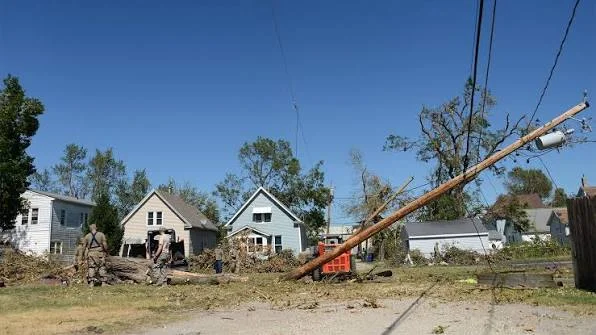
The August 11, 2026, storm produced widespread wind damage, flooding and several tornadoes. National Weather Service assessments recorded damaging gusts, uprooted trees, blocked roads, damaged buildings and downed power lines across the region.
Some locations recorded winds approaching 90 mph, while confirmed tornadoes added further hazards. The storm affected communities around the Chicago metropolitan region before continuing into northwestern Indiana.
For travellers, the event demonstrates how quickly a derecho can disrupt road trips, flights, accommodation, outdoor recreation and local attractions. Unlike hurricanes, which may provide several days of warning, fast-moving thunderstorm systems can create dangerous conditions with much less preparation time.
What makes a derecho dangerous
A derecho is a widespread, long-lived windstorm produced by an organised system of thunderstorms. It creates predominantly straight-line winds rather than the rotating winds normally associated with hurricanes or tornadoes.
The National Weather Service classifies a storm as a derecho when its wind-damage corridor extends for more than 240 miles and contains gusts of at least 58 mph along most of its path.
However, derecho winds can become considerably stronger. Their speed can bring down mature trees, overturn vehicles, damage roofs and interrupt electricity networks across multiple communities.
The central United States experiences favourable conditions when warm, humid air combines with atmospheric instability and strong upper-level winds. Approximately 70% of derechos occur between May and August, making summer weather awareness particularly important.
Transport networks face sudden disruption
Derechos can affect several transport systems simultaneously. Fallen trees, standing water and damaged power lines may block highways or local roads. Strong crosswinds also create dangers for high-sided vehicles, recreational vehicles and trailers.
During the August 11 storm, authorities received reports of overturned trucks, roads blocked by trees and extensive debris. Damage also affected infrastructure near a commuter railway station.
Airports may delay departures, divert arrivals or temporarily suspend ground operations when thunderstorms, lightning and damaging winds move through the area. Rail services can also face interruptions when trees or power infrastructure fall across tracks.
Travellers should avoid tight connections when severe weather is forecast. They should keep airline, railway, hotel and rental-car notifications active throughout the journey.
Power failures challenge tourism services
Extended electricity outages can create wider difficulties after the storm has passed. Hotels may struggle to maintain air conditioning, lighting, internet access, elevators, security equipment and digital payment systems.
Restaurants, museums and entertainment venues may temporarily close because of power loss or unsafe access. Fuel stations and electric-vehicle charging facilities can also become unavailable, complicating road journeys.
Previous events demonstrate the potential scale. The August 2020 Midwest derecho damaged more than 90,000 square miles and generated winds above 100 mph in parts of Iowa. It caused widespread infrastructure and agricultural losses across several states.
Tourists should confirm that accommodation and attractions are operating before entering a damaged area. A confirmed reservation does not guarantee that every service will remain available during a major outage.
Outdoor tourism carries elevated danger
Hiking trails, campgrounds, lakes, parks and outdoor attractions become particularly hazardous during severe thunderstorms.
Powerful winds can bring down branches without warning. Saturated ground may leave trees unstable even after conditions improve. Lightning, flash flooding and damaged trails can extend the danger beyond the initial storm.
Visitors should leave exposed areas when warnings are issued and shelter inside a sturdy building. When no building is available, the National Weather Service advises people to avoid trees, power lines and locations exposed to falling debris.
Downed electrical lines must always be treated as live. Travellers should never approach, touch or drive across them.
Tour operators need clear procedures for suspending activities, contacting guests and checking routes before reopening. Flexible booking policies can also help visitors respond safely without feeling pressured to continue an unsafe itinerary.
Travellers need weather-ready plans
Visitors crossing Iowa, Illinois, Indiana, Wisconsin, Minnesota, Michigan, Ohio or the Great Plains should monitor official forecasts throughout their trip.
Portable chargers, offline emergency contacts, bottled water and essential medication can support travellers during electricity or communication failures. Road trippers should keep their fuel level sufficient for diversions.
Hotel guests should identify shelter locations immediately after check-in. Campers and recreational-vehicle users should know where the nearest solid structure is located before storms develop.
Travel insurance may help with certain delays or cancellations, but coverage varies. Visitors should review severe-weather provisions before departure rather than after disruption begins.
Wireless emergency alerts can provide urgent warnings, although travellers should not depend on one communication method. Local radio, official weather services and instructions from emergency authorities remain important.
Tourism resilience becomes a destination priority
Derechos do not mean travellers must avoid the Midwest or Great Plains. These regions continue offering major cities, cultural attractions, national parks, lakes and extensive road-trip experiences.
However, destinations need reliable emergency communication, resilient infrastructure and coordinated reopening procedures. Hotels, attractions and tour operators must be ready to guide visitors who are unfamiliar with local warning systems.
Travellers also need flexibility. Delaying an outdoor activity, changing a route or extending a hotel stay can prevent exposure to dangerous conditions.
The August 2026 derecho confirms that weather preparedness is now an essential part of the visitor experience. Strong forecasting, rapid communication and responsible decisions can help tourism continue while protecting travellers, workers and local communities.
For more travel news like this, keep reading Global Travel Wire