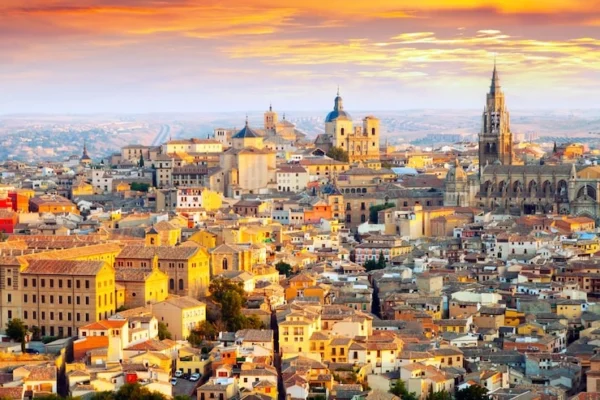
Spain has emerged as one of the clearest symbols of the global overtourism challenge in 2026 as Barcelona, the Canary Islands and the Balearic Islands confront rising pressure on housing, public space, infrastructure and local quality of life.
However, no official international ranking proves that Spain has definitively overtaken France, Italy, Greece, Japan, India or the Netherlands as the world’s worst-affected destination. Instead, official policies show that these countries are responding to different versions of the same problem: too many visitors concentrated in too few places at the same time.
For travelers, the result is a more regulated tourism landscape shaped by accommodation controls, access fees, hiking charges, cruise levies and restrictions on vehicles, hotels and visitor behavior.
Barcelona Moves Against Tourist Apartments
Barcelona is undertaking one of Europe’s most significant short-term rental interventions. The city has confirmed that licences for tourist apartments will be withdrawn by 2028, a measure intended to return housing to residential use and reduce pressure on neighborhoods affected by holiday rentals.
The policy means travelers should not assume that today’s supply of licensed apartments will remain available in future seasons. Visitors must also verify that any property advertised as tourist accommodation is legally registered.
Spain’s overtourism debate extends beyond Barcelona. Island destinations face seasonal crowding, pressure on water supplies and congestion around ports, beaches and historic centers. Travelers should expect tourist taxes, accommodation restrictions and local rules to vary by municipality and region.
Venice Expands Its Paid Access System
Italy is using direct pricing to manage day visitors in Venice. The city’s 2026 access-fee calendar covers 60 non-consecutive days between April 3 and July 26.
Day visitors who book sufficiently early pay €5, while those registering within four days of arrival pay €10. The system encourages advance planning and gives local authorities better visibility over expected visitor numbers.
Overnight guests are generally handled differently because they already contribute through the accommodation tax system, but they may still need to complete required registration procedures.
Venice also publishes daily estimates of expected visitor pressure and advises travelers to avoid the busiest dates when possible.
Amsterdam Prioritizes Resident Livability
Amsterdam continues to move away from unrestricted tourism growth. Its 2026 visitor-economy program aims to slow tourism expansion, reduce nuisance and distribute economic benefits more evenly across the city.
The municipality maintains strict controls on new hotel development, manages tour buses entering the historic center and charges a tourist tax equal to 12.5% of the accommodation price. Cruise operators also face a day-tourist tax of €15 per passenger.
Travelers should therefore budget beyond the advertised room rate and avoid assuming that central Amsterdam will continue adding large amounts of new tourist accommodation.
Mount Fuji Introduces Mandatory Hiking Controls
Japan’s Mount Fuji has become one of the strongest examples of regulated nature tourism.
For the 2026 climbing season, visitors using the official trails must pay a ¥4,000 hiking fee. Entry between 2 p.m. and 3 a.m. is restricted for climbers without a mountain-hut reservation, while travelers are required to complete registration and follow safety and environmental rules.
These measures are designed to reduce unsafe overnight “bullet climbing,” trail congestion, litter and pressure on mountain facilities.
Travelers should reserve early, carry proof of payment and avoid treating a Mount Fuji ascent as a spontaneous day trip.
Greece Uses Cruise Levies to Protect Island Infrastructure
Greece has introduced a cruise-passenger fee intended to support ports and tourism infrastructure in heavily visited destinations.
The government’s fiscal planning identified Mykonos and Santorini among the principal locations where cruise arrivals place intense pressure on transport, water, waste systems and public spaces. Revenue from the levy is intended to support port projects and the national tourism product.
Visitors arriving by ship should therefore expect additional destination charges and tighter scheduling during peak periods.
India Regulates Access to Fragile Mountain Corridors
In India, overtourism pressures are particularly visible around Himalayan destinations such as Manali.
Official Himachal Pradesh tourism information confirms that petrol and diesel vehicles require special permits to travel from Manali toward Rohtang Pass for tourism purposes. The permit system helps manage traffic and environmental pressure along a fragile high-altitude corridor.
Travelers should check permit requirements before hiring a vehicle or planning mountain excursions, especially during school holidays and the summer escape season.
What Travelers Must Check Before Booking
The central lesson of 2026 is not that famous destinations are closed. It is that access is becoming conditional.
Visitors should verify legal accommodation status, city entry fees, cruise levies, hiking permits, vehicle restrictions and timed reservations before paying for flights or hotels.
Choosing secondary cities, traveling outside peak periods and staying overnight instead of making short day visits can also reduce pressure while creating more meaningful tourism spending.
The future of popular tourism destinations is increasingly based on managed access rather than unlimited volume. For travelers, preparation is no longer optional; it has become the price of entering the world’s most crowded cities, islands and natural landmarks.
For more travel news like this, keep reading Global Travel Wire