Spain is moving closer to one of its biggest tobacco-control reforms in decades, with proposed restrictions that could dramatically change smoking and vaping rules across beaches, restaurant terraces, national parks and other spaces heavily used by international tourists.
The Spanish government approved the updated tobacco bill for submission to Parliament on July 21, 2026. However, the measures are not yet fully in force nationwide because the legislation must still complete the parliamentary process before becoming law. Current national and local smoking rules therefore continue to apply until the reform is formally approved and implemented.
For millions of visitors drawn to Spain’s beaches, café culture, resorts and outdoor lifestyle, the proposed changes could create a significantly different holiday environment.
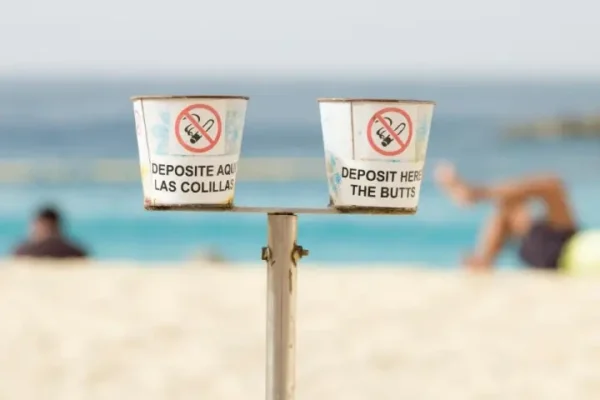
Beaches and national parks enter smoke-free plan
Among the most important tourism-related provisions is an expansion of smoke-free outdoor areas.
The government’s proposal includes beaches and national parks, alongside collective-use swimming pools, outdoor leisure spaces and several other public environments.
If enacted as proposed, travellers would no longer be able to assume that smoking is permitted simply because they are outdoors.
This could have a particularly visible impact in major coastal tourism regions such as the Costa del Sol, Costa Blanca, Balearic Islands, Canary Islands and Mediterranean resort destinations.
Some Spanish beaches already operate local smoke-free policies, but national legislation would create a much broader framework.
The government says the reform is intended to reduce involuntary exposure to tobacco smoke and emissions while strengthening public health protections in shared spaces.
Restaurant terraces could see historic change
One of the most consequential proposals for tourism involves Spain’s famous hospitality terraces.
Smoking would be prohibited on outdoor terraces belonging to bars, cafés and restaurants if the legislation passes in its current form.
Outdoor dining is deeply integrated into Spain’s tourism experience, particularly in historic city centres, coastal resorts and nightlife districts.
The change could therefore affect visitor behaviour from Madrid and Barcelona to Seville, Valencia, Málaga and island destinations.
Hospitality businesses would need to communicate restrictions clearly, while travellers accustomed to smoking with meals or drinks outdoors would need to adjust.
The Ministry of Health first outlined the expanded terrace restrictions during development of the reform, describing hospitality terraces, transport waiting areas, university campuses and outdoor leisure spaces as part of the planned expansion of smoke-free environments.
Vaping faces similar restrictions
The proposed rules extend far beyond conventional cigarettes.
Electronic cigarettes, heated tobacco products, nicotine pouches and other related products would be brought under a more consistent regulatory framework.
This means travellers should not assume that vaping provides an exemption from smoke-free rules.
Where the new legislation prohibits tobacco use, comparable restrictions would generally apply to regulated related products.
The government argues that treating these products consistently will reduce regulatory gaps while protecting young people and people exposed involuntarily to emissions.
The reform also includes measures targeting disposable electronic cigarettes and tighter controls on promotion and advertising.
Minors receive stronger protection
Another major element is the proposed prohibition on tobacco consumption by people under 18.
Existing rules have long restricted the sale and supply of tobacco to minors. The new legislation goes further by explicitly prohibiting consumption.
Spanish authorities say stronger youth protections are necessary because newer nicotine products have changed consumption patterns and increased concerns surrounding early addiction.
For families visiting Spain, the reform could therefore create a more tightly regulated environment around tobacco and vaping in public tourism spaces.
Fines require careful interpretation
Travellers should be cautious about reports suggesting that every person caught smoking in a prohibited area will automatically receive a €600 fine.
Spain’s tobacco legislation operates through a graduated sanctions system, with penalties varying according to the type and seriousness of the infringement.
Existing legal structures have historically treated isolated smoking violations differently from more serious or repeated offences, while the new bill updates the sanctions framework to reflect expanded restrictions.
Final enforcement details will depend on the legislation ultimately approved by Parliament and its implementation by relevant authorities.
Therefore, visitors should rely on posted local rules and official guidance rather than assuming one universal penalty applies to every violation.
Tourist destinations prepare for possible change
For Spain’s tourism industry, the reform creates both operational challenges and potential visitor benefits.
Hotels, restaurants, beach businesses and attractions may need clearer signage and updated guest information.
Meanwhile, supporters argue that smoke-free spaces could improve experiences for families, children and non-smoking travellers while reducing cigarette waste and environmental pollution in sensitive destinations.
National parks and beaches could particularly benefit from lower levels of discarded cigarette butts and reduced ignition risks in vulnerable natural environments.
Holidaymakers should check rules before travelling
The most important point for travellers is that Spain’s nationwide expansion remains a legislative proposal progressing through Parliament, rather than a blanket prohibition already operating everywhere.
Visitors travelling during 2026 should continue checking current regional, municipal and property-specific regulations because local restrictions may already be stricter than national rules in some destinations.
Spain remains one of the world’s leading tourism markets, but the proposed reform signals a potentially historic shift in its outdoor holiday culture.
If Parliament approves the legislation substantially as proposed, smoke-free beaches, terraces, national parks, pools and other shared tourism spaces could become a much more common part of the Spanish travel experience, reshaping how millions of visitors enjoy the country’s resorts, cities and coastlines.
For more travel news like this, keep reading Global Travel Wire