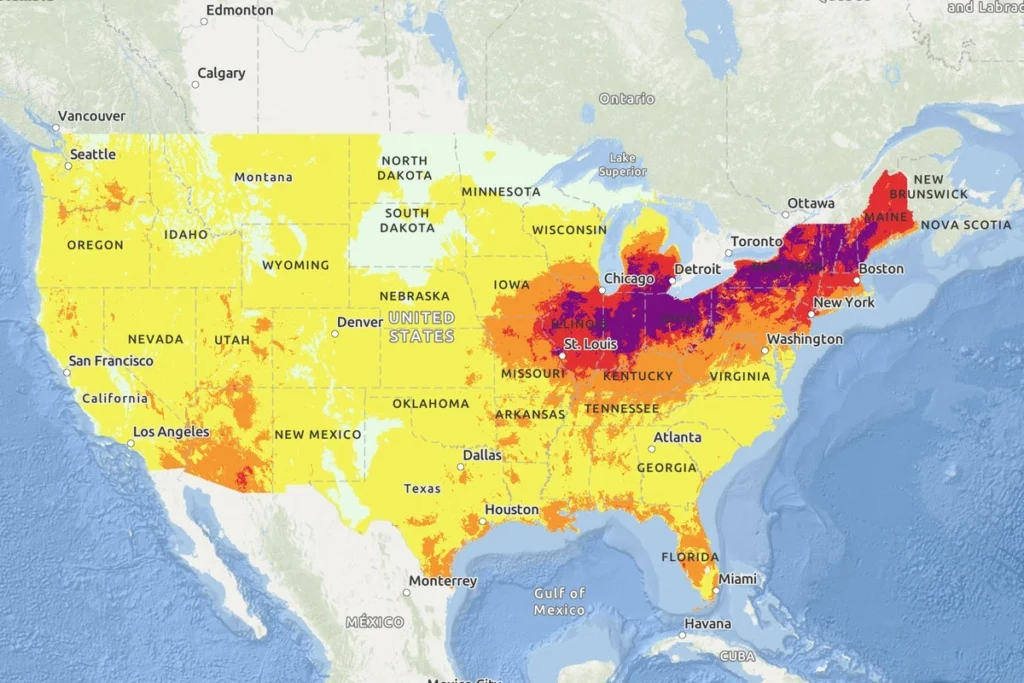
A powerful heat dome is intensifying across large parts of the United States, threatening to push temperatures above 100F from Texas and the Southwest into the Great Plains while creating growing challenges for travellers, outdoor attractions and tourism businesses.
Dallas, Phoenix and communities across Oklahoma, Kansas, Nebraska and the Dakotas are facing particularly difficult conditions as persistent high pressure traps intense heat over a vast section of the country.
Official forecasts indicate Dallas could experience several days around or above 100F, with temperatures potentially reaching about 105F by July 29. Meanwhile, the National Weather Service has issued Extreme Heat Warnings around Phoenix, where some lower-desert locations could approach 115F to 120F during the hottest period.
The extreme conditions are increasingly influencing how Americans plan summer holidays, encouraging greater interest in cooler destinations where sightseeing and outdoor activities remain more comfortable.
Heat spreads from Texas into the Plains
The weather pattern is being driven by persistent high pressure across the southern, central and western United States.
Such conditions suppress widespread cloud formation and allow intense daytime heating to continue for extended periods.
The National Weather Service Climate Prediction Center has identified an elevated risk of extreme heat across much of the Great Plains, southern High Plains and Desert Southwest.
The strongest conditions are expected across parts of Texas, Oklahoma and Kansas, while dangerous heat could extend north toward the Dakotas and neighbouring areas.
Some locations could experience heat index values exceeding 110F, particularly where high temperatures combine with increasing atmospheric moisture.
Phoenix faces exceptional desert heat
Phoenix remains among the most challenging major destinations during the developing heat event.
The National Weather Service expects temperatures significantly above seasonal averages through the weekend, with widespread major heat risk across lower elevations.
Extreme Heat Warnings cover Phoenix and surrounding Arizona communities as subtropical high pressure strengthens.
Although the North American monsoon can generate isolated thunderstorms, widespread cooling is not expected immediately.
For visitors, the conditions could significantly affect hiking, sightseeing and outdoor recreation.
Travellers exploring desert attractions should reconsider strenuous afternoon activities and prioritise air-conditioned attractions, early-morning excursions and evening experiences.
Dallas tourism confronts prolonged triple-digit heat
Dallas is also preparing for an extended period of intense summer temperatures.
Forecasts indicate highs around 101F on July 25, approximately 103F on July 26 and 27, and potentially 104F to 105F during the following days.
Such prolonged heat can influence city tourism even without widespread transportation cancellations.
Outdoor attractions, walking tours, festivals, sporting activities and road trips become more physically demanding when high daytime temperatures continue into the evening.
Hotels, shopping centres, museums and indoor entertainment venues may consequently become more important parts of visitor itineraries.
Travellers driving across Texas should also carry additional drinking water and avoid leaving children, vulnerable adults or animals inside parked vehicles.
Great Plains face expanding travel risks
The heat threat is expected to extend northward through the Great Plains.
Oklahoma, Kansas, Nebraska and parts of the Dakotas are positioned within the broader zone of elevated temperature risk as the atmospheric ridge expands.
This could affect road tourism across long stretches of interstate highway as well as camping, festivals, agricultural tourism and outdoor recreation.
Visitors travelling through rural areas should be particularly cautious because shade, drinking water and air-conditioned facilities may be less accessible than in major cities.
The intense conditions could also alter visitor patterns at parks and outdoor attractions, shifting activity toward mornings and evenings.
Heat illness becomes major traveller concern
Extreme heat represents more than a comfort issue.
The US Centers for Disease Control and Prevention advises travellers to drink plenty of non-alcoholic fluids, wear lightweight clothing, use sun protection and schedule outdoor activities during cooler parts of the day.
Heat exhaustion can cause intense thirst, heavy sweating, headaches, dizziness, confusion and nausea.
Heat stroke is a medical emergency requiring immediate assistance.
Children, older adults and people with certain health conditions can face increased risks, although prolonged heat exposure can affect even healthy travellers engaged in strenuous sightseeing or outdoor recreation.
Coolcations gain momentum amid extreme summers
The increasingly severe summer heat is also helping reshape tourism preferences.
Instead of automatically choosing traditionally hot summer destinations, some travellers are seeking cooler climates where hiking, sightseeing, wildlife experiences and outdoor dining remain comfortable.
Destinations associated with this “coolcation” trend include Iceland, Norway, Finnish Lapland and other northern European regions.
Southern Hemisphere destinations can also offer seasonal alternatives, including alpine areas of New Zealand and cooler wilderness experiences in Patagonia.
The attraction goes beyond temperature.
Cooler destinations often combine nature, wellness, longer summer daylight hours and outdoor adventure, creating alternatives for travellers concerned about heatwaves, wildfire risk or uncomfortable urban sightseeing.
Weather increasingly shapes tourism decisions
The latest US heat dome demonstrates how extreme weather is becoming an increasingly important factor in travel planning.
NOAA outlooks indicate elevated extreme-heat risks could persist across significant portions of the central and western United States into late July and early August, although conditions will vary considerably by location.
For travellers, flexibility is becoming essential.
Checking official forecasts before departure, adjusting outdoor activities and preparing for extreme temperatures can significantly reduce health risks.
For tourism destinations, the challenge is broader.
As intense summer heat becomes a recurring consideration, destinations may increasingly need shaded attractions, cooling facilities, revised activity schedules and stronger visitor safety messaging.
Meanwhile, cooler regions could benefit from changing seasonal demand as travellers seek comfortable alternatives.
From triple-digit temperatures in Dallas and extreme desert heat around Phoenix to growing interest in northern coolcation escapes, climate and weather are increasingly reshaping where, when and how people travel during the peak summer season.
For more travel news like this, keep reading Global Travel Wire