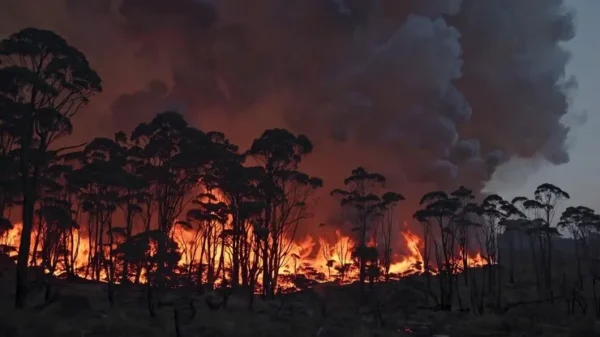
Wildfires across Spain are increasing safety concerns for visitors as extreme heat and dry landscapes threaten natural attractions near Barcelona, Madrid and several popular rural destinations.
Fire pressure has extended across Catalonia, Castilla y León, Galicia, Asturias and areas surrounding the Spanish capital. Although Spain remains open and most major urban tourism services continue operating, conditions can change quickly around forests, mountains and countryside destinations.
Spain’s official meteorological data shows why the danger requires close attention. July 2026 recorded an average temperature of 25.7 degrees Celsius, reaching 2.6 degrees above the normal average. It was Spain’s joint hottest July and hottest overall month since national records began.
Rainfall reached only 26% of the normal July level. The combination of exceptional heat, dry vegetation, low soil moisture and changing winds can allow fires to spread rapidly across exposed landscapes.
Collserola fire reaches Barcelona’s outskirts
Barcelona faced wildfire pressure after flames spread through Collserola Natural Park, the large green landscape surrounding part of the metropolitan area.
The affected zone included woodland near Canyelles, Torre Baró and Ciutat Meridiana. Emergency teams restricted access while authorities introduced precautionary evacuations and confinement measures for nearby residents.
Around 35 people living closest to the forest were evacuated, while thousands of residents were advised to remain indoors during the emergency response. Firefighters stabilised the incident after vegetation and scrubland were damaged.
Central Barcelona remained operational, including major hotels, cultural attractions, restaurants and transport services. However, the emergency temporarily affected access to outdoor activities within Collserola.
The park provides hiking, cycling and nature experiences within easy reach of Barcelona’s historic centre. Its location beside densely populated neighbourhoods makes rapid emergency communication particularly important for visitors who may not understand local alerts.
Tourists should confirm whether routes and recreational areas are open before entering the park. A city operating normally does not guarantee safe conditions across every nearby natural attraction.
Madrid’s surrounding landscapes face danger
Madrid’s museums, historic districts, hotels and culinary attractions have not faced broad disruption. Nevertheless, wildfire incidents around the capital region are placing additional pressure on rural communities and outdoor destinations.
The wider Madrid region includes forests, reservoirs, mountain routes and villages that attract day-trippers from the capital. Dry vegetation and high temperatures can produce sharply different conditions outside the urban centre.
Visitors planning hiking, cycling or countryside excursions should check local restrictions before departure. Authorities may close roads, trails, viewpoints and recreational areas even when Madrid’s central tourism services remain fully available.
The growing proximity of wildfires to large metropolitan regions creates a destination-management challenge. Hotels and tour operators must distinguish clearly between affected zones and areas where travel can continue safely.
Castilla y León protects rural tourism
Castilla y León has experienced significant wildfire pressure across forests and mountain landscapes, particularly around León and Zamora.
The region’s tourism economy depends on rural accommodation, historic villages, walking routes, local restaurants and guided nature experiences. Fires can interrupt that activity by forcing evacuations, closing access roads and damaging the landscapes that support visitor demand.
Las Médulas, mountain routes and rural destinations across León attract travellers combining cultural heritage with outdoor exploration. Meanwhile, the Sanabria area in Zamora draws visitors to its lake, forests and recreational opportunities.
When fire danger increases, authorities may restrict entry to forest zones or suspend outdoor activities. Travellers should not bypass closures, because changing winds can redirect smoke and flames with little warning.
Galicia and Asturias monitor natural attractions
Galicia’s forests and countryside have also faced fire pressure, including areas of Ourense and Lugo. Both provinces rely strongly on nature, village tourism and outdoor travel.
Ourense combines thermal experiences, vineyards and rural landscapes. Lugo attracts visitors with historic heritage, trails and countryside attractions. Wildfires can affect visibility, air quality and road access even when flames remain away from established tourism centres.
Asturias faces similar concerns because its visitor economy is closely connected with mountains, forests, wildlife and protected natural areas. Hiking routes may cross remote terrain where emergency access is limited.
Accommodation providers can remain open while individual trails, parks or roads are restricted. Visitors must therefore check the status of the specific place they plan to visit, rather than relying on general regional information.
Fire risk reshapes nature tourism
Spain’s wildfire challenge extends beyond individual incidents. The national tourism offer depends on beaches, mountain ranges, forests, lakes, parks and rural communities alongside famous cities.
Temporary closures can reduce bookings for guides, campsites, restaurants and family-owned accommodation. Smoke may also affect destinations beyond the immediate fire perimeter.
However, safety restrictions protect both travellers and tourism livelihoods. Preventing visitors from entering dangerous areas reduces pressure on emergency services and supports faster fire control.
Spain’s meteorological agency provides updated weather warnings and daily fire-danger information based on forecast conditions, vegetation, land use and soil moisture. Travellers should combine this information with instructions from regional authorities and emergency services.
Spain remains open as conditions evolve
International travel to Spain continues, while Barcelona, Madrid and other leading urban destinations largely remain operational. The current threat does not represent a nationwide tourism shutdown.
Visitors should avoid forests during severe fire danger, respect roadblocks and never enter closed trails. They must also avoid cigarettes, open flames and any activity capable of producing sparks.
Travellers staying in rural areas should ask accommodation providers about evacuation routes and local emergency procedures. They should keep identification, medication, water and charged phones accessible.
Spain’s wildfire emergency is testing the resilience of nature tourism during an exceptionally hot and dry summer. Protecting communities, landscapes and visitors will require reliable warnings, responsible travel and strict respect for local restrictions.
For more travel news like this, keep reading Global Travel Wire