Tourism across the Middle East stands at a pivotal crossroads as regional leadership and international partners focus on long-term stability, economic diversification, and structural resilience. Recent policy discussions and strategic development initiatives highlight a growing consensus: safeguarding critical infrastructure is essential to ensuring the continuous growth of travel, hospitality, and cross-border trade throughout the region.
As key international destinations continue to expand their cultural and historical visitor offerings, ensuring the stability of regional supply chains and power grids has become a top priority. Government bodies and development organizations are actively evaluating measures to restore impacted sites, secure transit corridors, and reinforce energy systems that sustain major urban centers, airports, and coastal resort zones.
Safeguarding Vital Transit Corridors for International Travel
The smooth flow of commercial aviation, maritime cruises, and international visitors relies heavily on stable transit networks. Over recent years, regional ministries of tourism and transport have emphasized the need to build alternative supply channels and diversify transit options to avoid reliance on single maritime choke points.
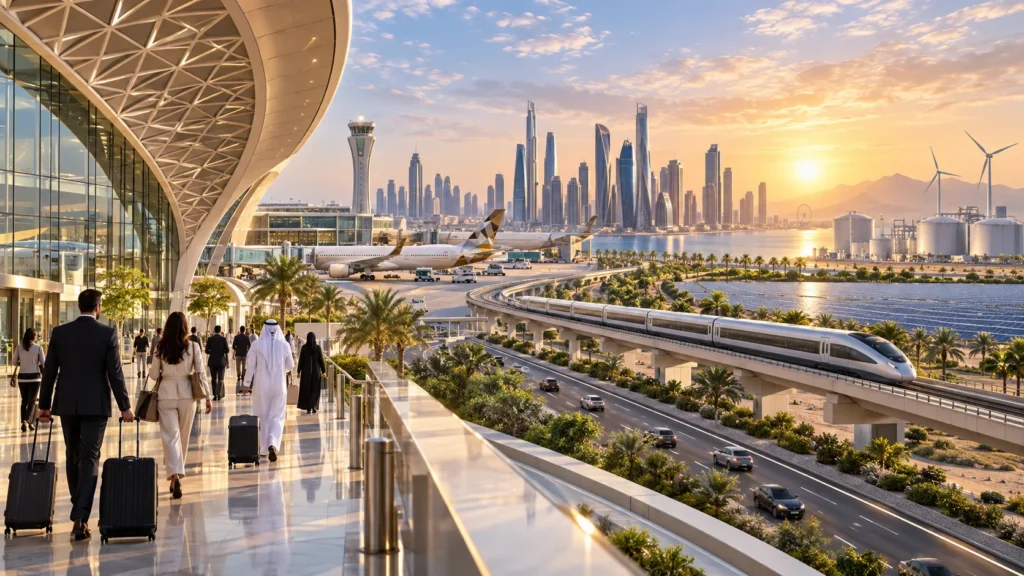
Developing resilient logistical pipelines directly supports the hospitality sector. Hotels, international airports, and major cultural landmarks depend on continuous fuel and power supplies to operate efficiently. Initiatives aimed at expanding alternative pipeline networks and upgrading regional utility systems serve as a protective buffer for the travel industry, reassuring airlines and prospective visitors that regional travel hubs remain reliable and fully operational.
Beyond immediate operational needs, securing transport corridors encourages cross-border itineraries. Multi-destination travel—where international tourists visit multiple Gulf and Levantine nations in a single trip—relies on seamless movement across land, sea, and air. By fortifying physical infrastructure, public authorities lay the foundation for sustained growth in regional tour packages and major event tourism.
Investing in Sustainable and Resilient Infrastructure
Public finance agencies and international investment groups are increasingly aligning modern infrastructure packages with sustainable tourism objectives. Rebuilding and upgrading energy facilities presents a unique opportunity to integrate modern, green technology into historic and modern destination centers alike.
Key objectives currently driving regional infrastructure planning include:
Grid Modernization: Upgrading utility networks to support high-demand tourist zones, international resort complexes, and smart-city tourism hubs.
Diversification of Energy Sources: Incorporating solar and clean energy solutions to lower operational costs for hotels and preserve sensitive ecological sites.
Maritime Safety and Logistics: Expanding port facilities to better accommodate cruise lines while ensuring secure maritime passages.
Aviation Support: Strengthening fuel supply lines to major airports to prevent operational disruptions and maintain global air connectivity.
These strategic investments demonstrate a commitment to transforming crisis response into long-term infrastructure strength. By prioritizing modern engineering standards, destination management organizations can ensure that cultural monuments, coastal communities, and bustling urban centers remain vibrant and secure for incoming global travelers.
Building Visitor Confidence Through Stability and Cooperation
Travel decisions are heavily influenced by perceptions of stability and safety. Collaborative regional development programs serve a dual purpose: they repair physical damage while sending a clear signal of unity and commitment to global travel markets.
Tourism boards across the Middle East are continually emphasizing the safety, hospitality, and cultural richness of the region. State-led reconstruction projects and cross-border partnerships reinforce the message that regional authorities are actively protecting tourist assets and surrounding communities.
When governments invest in robust infrastructure, the private sector follows suit. Major hotel chains, tour operators, and entertainment brands are more likely to expand their footprints in destinations supported by secure utilities and reliable public services. This synergy between public policy and private enterprise generates jobs, drives economic growth, and enriches the overall experience for travelers exploring the historic treasures and contemporary attractions of the region.
The Future of Travel Across the Region
As strategic discussions progress regarding international reconstruction frameworks and regional development funds, the long-term outlook for Middle East tourism remains focused on growth and modernization. Major international events, world-class museum openings, and expanding leisure developments continue to draw millions of international guests annually.
By addressing foundational infrastructure needs—ranging from power generation to secure transportation—regional destinations are fortifying their tourism industries against future disruptions. The ongoing commitment to strengthening Middle East tourism infrastructure ensures that the region will continue to serve as a world-class bridge between continents, offering travelers safe, memorable, and inspiring journeys for generations to come.
For more travel news like this, keep reading Global Travel Wire