Qingdao is emerging as one of China’s most dynamic destinations for the silver economy by combining healthcare innovation, cruise tourism, coastal resources, and services designed for older travelers. Located on the shores of Jiaozhou Bay in Shandong Province, the city is using its natural coastline, mild climate, and expanding wellness sector to build a tourism model focused on healthy aging and quality living.
The strategy reflects a major national trend as China responds to demographic change and rising demand for senior-friendly travel, rehabilitation services, and wellness experiences. With new health industry projects, cruise programs for older guests, and advanced rehabilitation education, Qingdao is positioning itself as a leading center where tourism and healthcare grow together.
As the global population ages, destinations that can combine comfort, care, culture, and leisure are expected to gain strong long-term tourism advantages.
Silver Economy Becomes a Major Growth Opportunity
The silver economy refers to products, services, and industries designed to meet the needs of older adults. It includes healthcare, retirement living, accessible transport, leisure travel, wellness, education, and age-friendly technology.
In China, the sector is expanding rapidly as life expectancy rises and senior consumers become more active, mobile, and experience-driven. Many older travelers today are looking beyond traditional sightseeing. They want meaningful journeys that include comfort, health support, cultural enrichment, and social engagement.
Qingdao’s development strategy recognizes this opportunity by linking tourism growth with elderly care, rehabilitation science, and wellness services.
Rather than treating tourism and healthcare as separate sectors, the city is building an integrated model that serves both residents and visitors.
Coastal Location Supports Wellness Tourism
Qingdao benefits from more than 800 kilometers of coastline, scenic sea views, fresh air, and a temperate climate. These natural advantages make it attractive for health-focused tourism and longer leisure stays.
Coastal destinations are often associated with relaxation, physical activity, and mental wellbeing. Walking trails, seaside parks, beach areas, and ocean landscapes can all enhance travel experiences for senior visitors seeking a slower and healthier pace.
The city’s maritime identity also adds appeal through seafood cuisine, waterfront districts, cultural attractions, and easy access to cruise travel.
As wellness tourism continues to grow worldwide, destinations with strong environmental assets and quality infrastructure are well placed to attract this market.
Innovation in Rehabilitation and Healthy Aging
A key part of Qingdao’s strategy is the development of health and rehabilitation innovation. The University of Health and Rehabilitation Sciences has become an important platform for research, talent development, and technology incubation linked to elderly care and recovery services.
The university focuses on areas such as rehabilitation engineering, smart medical devices, robotics, and movement science. These innovations support future healthcare systems while also creating opportunities for wellness tourism and medical travel.
Advanced rehabilitation tools, intelligent support devices, and improved treatment methods can strengthen the city’s reputation as a destination for health services.
For older travelers, access to wellness resources and professional care adds confidence when choosing long-stay or health-focused travel destinations.
For the local economy, innovation creates jobs, attracts investment, and supports new business growth.
Cruise Tourism Meets Senior Travel Demand
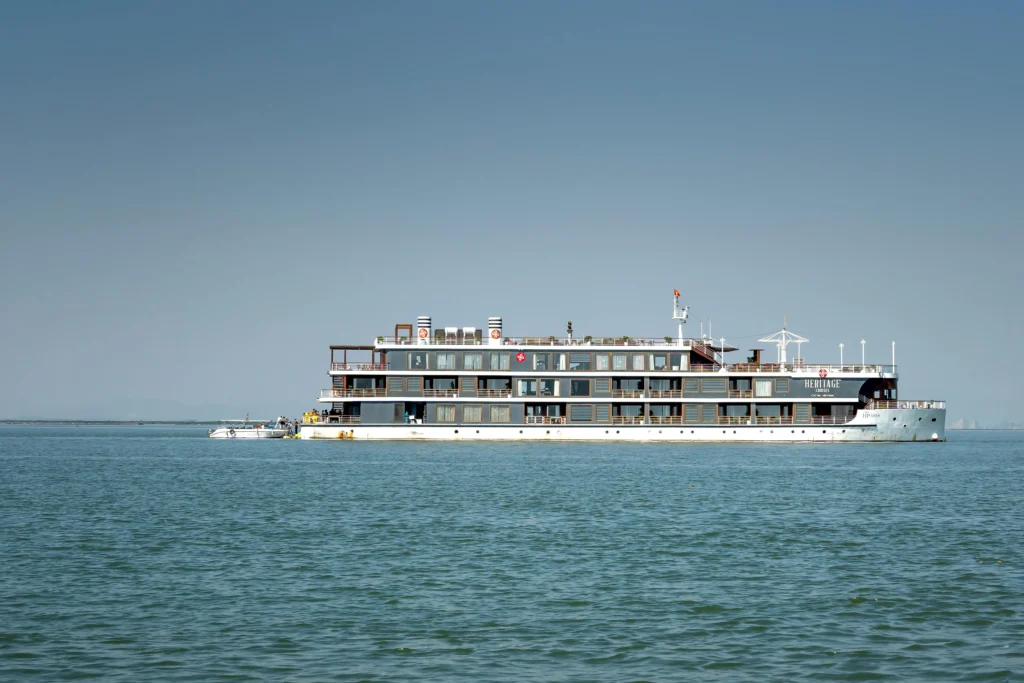
One of Qingdao’s most distinctive moves is the integration of cruise tourism with wellness programs. As a major cruise port in northern China, the city is using maritime tourism to serve the growing senior travel market.
Cruises are especially attractive to older travelers because they combine accommodation, dining, entertainment, sightseeing, and transport in one convenient experience. Guests can enjoy multiple destinations without repeatedly packing, changing hotels, or handling complex logistics.
Ships also offer comfortable facilities, medical support, social activities, and accessible environments that suit mature travelers.
Qingdao’s cruise authorities are developing a new health management center in the international cruise home port area, creating opportunities for a “cruise plus wellness” model that blends travel with health services.
This concept could become a major differentiator in Asia’s evolving cruise market.
Themed Voyages Add Cultural and Wellness Value
The city has already introduced themed cruise sailings focused on health, culture, and active aging. These programs include wellness consultations, Tai Chi sessions, music performances, calligraphy workshops, and social events designed for senior guests.
Such experiences show how tourism can contribute to both physical and emotional wellbeing. Travel is no longer only about visiting landmarks. For many older adults, it is also about staying engaged, learning new skills, meeting people, and enjoying life.
Senior-friendly itineraries can reduce loneliness, encourage movement, and create memorable experiences that improve quality of life.
This aligns with broader tourism trends where travelers increasingly seek purpose-driven and enriching journeys.
Economic Benefits for Qingdao
The silver economy can generate value across multiple sectors, including hotels, restaurants, transport, healthcare, retail, attractions, and education. Senior travelers often stay longer, prefer comfort-focused services, and travel during off-peak seasons, helping stabilize tourism demand throughout the year.
By developing products specifically for this market, Qingdao can attract new spending while strengthening its year-round visitor economy.
The city’s combined focus on tourism, health services, and innovation also encourages cross-sector investment. Cruise operators, wellness brands, medical providers, technology firms, and hospitality businesses may all benefit from this ecosystem.
As more destinations compete for aging travelers, early movers like Qingdao may gain a strong advantage.
Why This Matters for Global Tourism
Population aging is not limited to China. Many countries are seeing rising numbers of older travelers with more time, savings, and interest in meaningful travel experiences.
That makes Qingdao’s model relevant internationally. It demonstrates how destinations can redesign tourism around accessibility, wellness, comfort, and lifelong learning rather than focusing only on younger leisure markets.
Future tourism success may increasingly depend on serving multi-generational audiences and creating inclusive experiences for all age groups.
Destinations that understand the silver economy are likely to see stronger resilience and broader demand.
Outlook for Qingdao
Qingdao’s combination of coastline, cruise tourism, rehabilitation innovation, and senior-focused services places it in a strong position for future growth. The city is not only responding to demographic change but turning it into an economic opportunity.
As demand for healthy aging travel rises, Qingdao could become one of Asia’s leading destinations for wellness tourism and silver economy development.
From university research labs to cruise ships at sea, the city is showing how tourism can help people live better, travel longer, and enjoy richer experiences at every stage of life.