Official port authority declarations and national tourism development directives confirm that Penang is accelerating measures to expand maritime travel through a coordinated development agenda known as the 3I Strategy. Announced during official welcoming proceedings at the Swettenham Pier Cruise Terminal in George Town, the public framework targets the modernization of port handling facilities, the establishment of expanded international sailing itineraries, and institutional cooperation between maritime terminal operators and the wider hospitality supply chain. The initiative is structured to translate rising passenger volumes into direct economic opportunities for local small and medium businesses, transport providers, and heritage tour enterprises across the state.
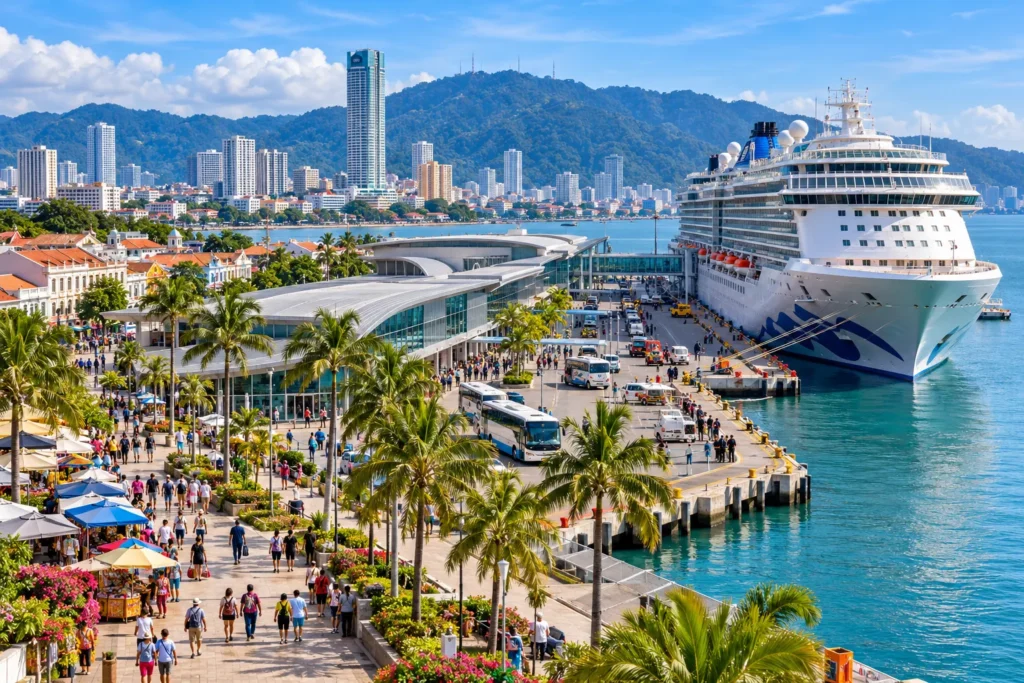
The strategic announcement coincided with the maiden arrival of the Navigator of the Seas, which docked at Swettenham Pier carrying 3,887 international passengers and 1,200 crew members, representing 5,087 international visitors on a single port call. Jointly administered by Tourism Malaysia, the Penang Port Commission, and terminal management authorities, the official reception emphasized that every major international cruise berthing provides a valuable showcase to introduce global travelers to the state’s diverse multicultural heritage, culinary attractions, and architectural landmarks.
Swettenham Pier Passenger Growth Reaches Record Highs
The structural policy pivot follows unprecedented growth recorded across the state’s primary marine gateway. Official operating statistics published by the Penang Port Commission document that Swettenham Pier Cruise Terminal handled 569,173 passenger movements between January and September of the current operating period. When measured against the 374,171 passenger movements registered during the corresponding nine-month timeframe in 2025, passenger traffic achieved an increase of 52.12 percent.
This surge reflects the post-pandemic revitalization of regional Southeast Asian maritime cruising corridors, with international operators increasing scheduled deployments across the Malacca Strait. Public tourism administrators emphasize that sustained double-digit growth provides a strong statistical foundation to pursue long-range port capacity improvements and deepen commercial linkages between visiting passenger liners and urban destination districts.
First Pillar: Upgrading Terminal Infrastructure and Passenger Flow
The opening component of the strategic plan focuses on enhancing landside operational efficiency, terminal throughput, and passenger comfort. Port development guidelines mandate continuous upgrades across terminal handling facilities, passenger circulation concourses, baggage management bays, ground transport transfer staging zones, and intuitive multilingual directional wayfinding. These improvements are designed to safely accommodate next-generation megaships while delivering a seamless arrival and transit experience.
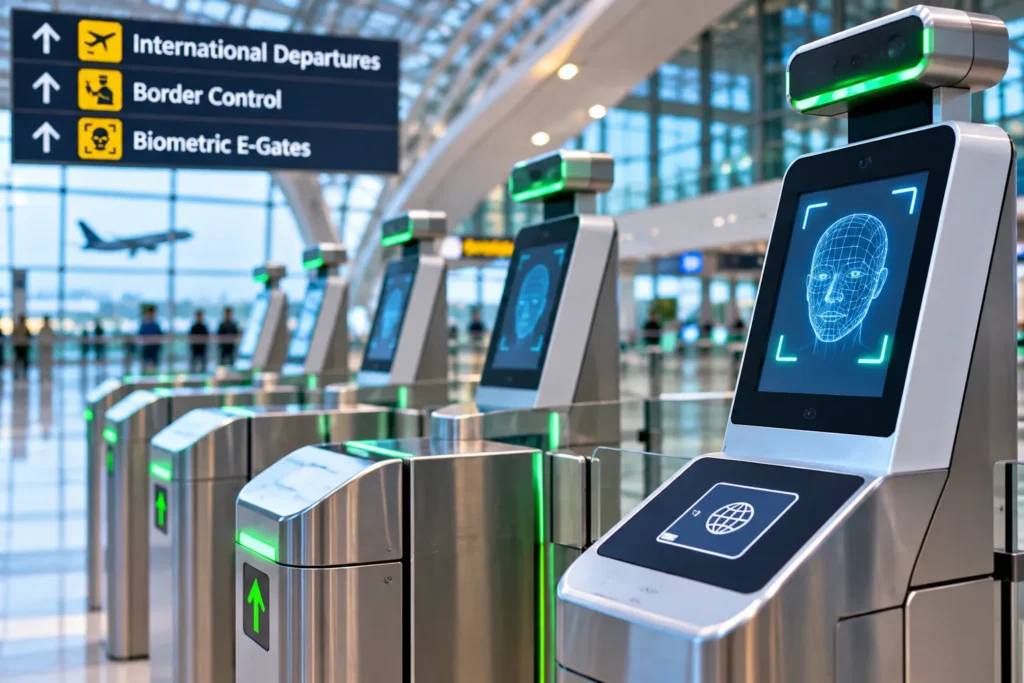
Administrative directives also require closer operational coordination between terminal operators, customs agencies, maritime enforcement bodies, and immigration directorates. By harmonizing processing systems, port managers aim to streamline clearance protocols during embarkation and disembarkation. This efficiency is critical during peak operational periods when multiple international cruise liners berth simultaneously, ensuring rapid disembarkation that maximizes the time visitors spend exploring local sights.
Second Pillar: Global Cruise Line Engagement and Extended Port Stays
The second operational priority directs promotional bodies and port leadership to intensify commercial outreach with global cruise lines and regional destination marketing networks. Through collaborative promotional campaigns and international maritime trade forums, port representatives are working to secure recurring seasonal deployments and position George Town as a permanent fixture on international cruise schedules.
A major focus of these institutional discussions is exploring operational avenues to prolong passenger port stays. By extending berthing hours into the evening, cruise itineraries provide visitors with ample time to patronize evening dining districts, attend cultural performances, and visit retail establishments. Extending shoreside dwell times increases per-passenger expenditure and encourages travelers to consider the state for future extended land vacations.
Third Pillar: Community-Centered Shore Excursions and SME Integration
The third pillar establishes direct collaboration between port operators and destination hospitality stakeholders to curate distinctive shore excursion itineraries. Emphasizing the UNESCO World Heritage Site of George Town, promotional itineraries guide arriving travelers toward historic architectural conservation zones, traditional craft workshops, interactive heritage museums, and authentic street-food centers.
To ensure local enterprises capitalize on arriving footfall, administrative guidelines emphasize structured data-sharing mechanisms. Port authorities will distribute advance cruise berthing timetables directly to local retail associations, licensed tourist guide federations, and transport cooperatives. This data allows local merchants and transport operators to align operational staffing and inventory ahead of scheduled arrivals. Furthermore, destination managers are expanding multilingual informational resources across arrival concourses and digital concierge desks, allowing independent passengers to navigate urban transit networks and historic walking trails easily.
Long-Term Economic Vision for Maritime Destination Development
State authorities underline that sustainable cruise tourism serves as a crucial catalyst for broader economic vitality. Beyond generating immediate port revenues and terminal handling fees, inbound maritime visitors stimulate demand across multiple commercial sectors, including dining, specialty retail, artisanal manufacturing, private vehicle hires, and professional tour guiding.
By uniting port infrastructure modernization with targeted global route development and community-level economic linkages, the Penang Port Commission and Tourism Malaysia are setting a balanced standard for regional maritime expansion. The long-term approach safeguards George Town’s historic character while modernizing transport logistics, ensuring that rising passenger arrivals deliver sustainable economic growth and reinforce Penang’s standing as a leading cruise destination in Southeast Asia.
For more travel news like this, keep reading Global Travel Wire