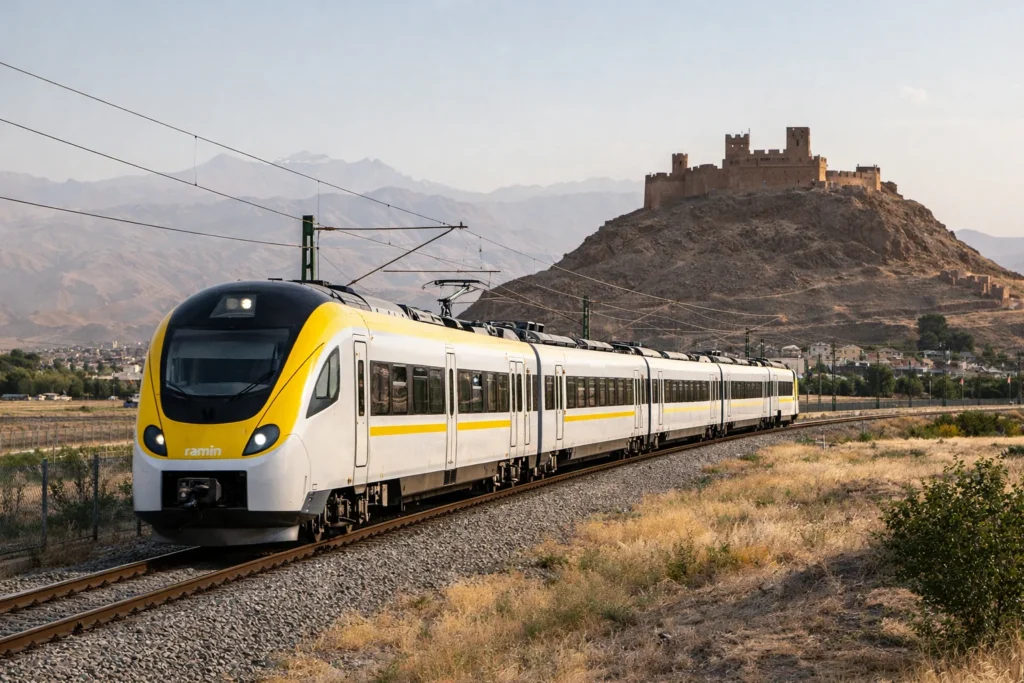
Iran has restarted rail operations on several important routes after rapid repairs to infrastructure damaged during recent conflict, creating a positive step for domestic mobility, regional travel, and tourism recovery. The return of train services on strategic corridors reconnects major cities and international links, helping passengers travel again with greater convenience.
Rail travel is a vital part of Iran’s transport network, linking cultural centres, pilgrimage destinations, business hubs, and border crossings. With trains returning on repaired lines, the latest developments are expected to support residents, visiting families, domestic tourists, and regional travellers looking for affordable and comfortable journeys.
The reopening of routes also reflects broader efforts to restore public services and rebuild transport infrastructure following recent disruptions.
Key Rail Routes Return to Service
Authorities have confirmed the resumption of train services from Tabriz in northwestern Iran to Tehran and Mashhad. These are among the country’s most important passenger corridors, connecting major urban centres and tourism destinations.
Tabriz is one of Iran’s historic cities, known for architecture, bazaars, and cultural heritage. Tehran remains the nation’s capital and largest gateway for business and leisure travel. Mashhad is one of the region’s most significant pilgrimage destinations and attracts millions of visitors in normal travel periods.
Restoring these routes means travellers once again have direct access between western, central, and northeastern parts of the country.
Passengers can benefit from:
- Easier intercity travel
- Lower-cost long-distance transport
- Comfortable overnight and daytime journeys
- Better access to heritage and religious destinations
- Reconnected family and business travel routes
International Rail Link to Turkey Reopens
One of the most notable developments is the return of the Tehran–Tabriz–Van train connecting Iran with Turkey. Cross-border rail links are especially valuable for tourism because they offer scenic travel, regional connectivity, and an alternative to air travel.
The reopening of this route can support visitors travelling between the two countries for leisure, trade, and family visits. It also highlights the importance of rail diplomacy and land-based tourism links across the wider region.
For international travellers seeking slower, scenic journeys, cross-border rail remains an attractive option with the added benefit of city-centre arrivals.
Rapid Infrastructure Repairs Restore Confidence
Officials have reported quick reconstruction work on damaged bridges, railway lines, and transport assets. The reopening of repaired sections in a short timeframe is an encouraging sign for passengers and the wider tourism sector.
Transport recovery matters because travellers often return faster when they see reliable services and visible progress on infrastructure restoration.
Quick repairs can help:
- Rebuild public confidence in rail travel
- Reduce pressure on roads and domestic aviation
- Restore supply chains and local commerce
- Support tourism businesses dependent on visitor flows
- Improve movement between provinces and cities
Strong transport systems are often among the first foundations needed for broader tourism recovery.
Why Rail Matters for Tourism in Iran
Rail remains one of the most practical ways to travel long distances across Iran. The country’s geography and network of historic cities make train travel especially useful for both domestic and international visitors.
Popular tourism journeys often include:
- Tehran to Mashhad for pilgrimage travel
- Tehran to Tabriz for culture and heritage tourism
- Central Iran routes to historic desert cities
- Scenic western corridors through mountain landscapes
- Cross-border travel to neighbouring countries
Train journeys can also be more relaxing than long road trips, especially for families, seniors, and travellers carrying luggage.
As routes return, more visitors may consider rail itineraries that combine multiple destinations in one trip.
Economic Benefits Beyond Passenger Travel
Rail recovery also supports wider economic activity. Hotels, restaurants, markets, transport providers, and attractions often depend on smooth movement between cities.
When train services resume, destinations can welcome visitors again while local businesses benefit from renewed travel demand. Better mobility also helps students, workers, and traders move more efficiently across regions.
For tourism economies, transport restoration can trigger a broader chain of recovery across hospitality and retail sectors.
What Travellers Should Expect Now
Although rail services are returning, travellers should expect a gradual recovery phase as schedules continue normalising. Some routes may initially operate with reduced frequencies or revised timetables while full operations are restored.
Passengers planning journeys should:
- Check departure times before travel
- Book early on high-demand routes
- Allow extra time at stations
- Monitor schedule changes
- Confirm cross-border travel requirements where relevant
- Keep travel documents ready for international rail journeys
As capacity increases, more flexibility and seat availability are likely to follow.
Positive Sign for Regional Tourism
The reopening of rail links inside Iran and to neighbouring Turkey is a strong signal for wider regional tourism. Overland travel is becoming increasingly popular among travellers seeking authentic experiences, flexible itineraries, and lower-carbon transport choices.
Rail routes can encourage multi-country travel by linking cities, cultural regions, and border markets in ways that flights often do not.
For the broader Middle East and surrounding regions, restored rail connectivity can strengthen tourism cooperation and create new opportunities for future route development.
Long-Term Outlook for Travel Recovery
The return of trains after infrastructure repairs shows how quickly transport systems can begin rebuilding after disruption. While wider reconstruction may take time, the restoration of key rail services is an important milestone.
For travellers, it means access is improving. For tourism businesses, it means visitors can return more easily. And for the region, it demonstrates the lasting value of rail as resilient public transport.
Iran rail services are once again helping connect people, cities, and destinations. As more routes reopen and schedules expand, rail is expected to play a central role in the country’s next phase of travel and tourism recovery.
For more travel news like this, keep reading Global Travel Wire