Kerten Hospitality is strengthening its international footprint with new projects in Morocco and India, signaling growing confidence in two dynamic tourism markets with very different but equally promising opportunities. The expansion reflects rising global demand for lifestyle stays, branded residences, and hospitality experiences that connect more deeply with local culture and evolving traveler expectations.
With fresh developments in North Africa and South Asia, the company is pursuing a strategy that blends destination identity, real estate growth, and modern hospitality trends. For the tourism industry, the move highlights how hotel groups are increasingly targeting markets that combine strong economic momentum with long-term travel potential.
Morocco and India each offer unique advantages. Morocco brings heritage tourism, coastal appeal, and international sporting momentum, while India offers rapid urban growth, luxury demand, and one of the world’s most exciting hospitality investment landscapes.
Morocco Emerges as Strategic Tourism Destination
Kerten Hospitality officially entered Morocco in late 2025, marking its first step into the African market. The country has become increasingly attractive to hotel investors due to expanding infrastructure, growing international awareness, and diversified visitor appeal.
Morocco offers a powerful mix of tourism experiences including historic medinas, Atlantic and Mediterranean coastlines, mountain landscapes, desert adventures, wellness escapes, and luxury city breaks. This broad appeal has helped position the kingdom as one of the region’s standout travel destinations.
The company’s expansion includes projects designed to reflect Morocco’s cultural richness rather than replicate standard hotel formats. This destination-led approach is becoming more important as travelers seek authentic stays rooted in place and heritage.
Heritage Hospitality in Tetouan
One of the company’s flagship Moroccan developments is Cloud 7 Dersa Tetouan, located in a historic building. The project focuses on preserving architectural character while creating a contemporary hospitality experience shaped by local identity.
Adaptive reuse of heritage buildings is an increasingly valuable tourism strategy. It allows destinations to protect cultural assets while generating new visitor experiences, jobs, and economic activity. Travelers often value accommodations that tell a story and connect them to the history of the place they are visiting.
Tetouan, known for its cultural heritage and northern Moroccan charm, is well positioned for this style of development. Boutique and heritage-led hospitality can help attract experience-driven travelers looking beyond traditional mass tourism routes.
Atlantic Coast Growth in El Jadida
Another major project is Casadora Resort by Cloud 7 in El Jadida, a coastal destination with growing tourism appeal. The development combines hospitality and residential elements, reflecting the rising popularity of mixed-use tourism projects.
Coastal resorts remain among the strongest performers in global leisure travel. Travelers continue seeking beachfront escapes, wellness stays, family holidays, and lifestyle-led experiences near the sea.
El Jadida offers a strategic setting on Morocco’s Atlantic coast, with historical appeal and convenient access to major urban centres. New tourism investment in destinations like this helps spread visitor flows beyond established cities and creates broader regional economic benefits.
Morocco’s Long-Term Tourism Opportunity
Morocco’s attractiveness to investors is also supported by national infrastructure growth and international visibility tied to future global sporting events, including the FIFA World Cup 2030. Major events often accelerate airport upgrades, transport investment, destination branding, and hospitality demand.
For hotel developers, this can create a favorable long-term environment. For travelers, it usually means improved connectivity, more accommodation choices, and upgraded visitor experiences.
Kerten Hospitality’s move into Morocco aligns with a wider trend of international brands increasing presence in markets with rising global relevance.
India Focuses on Luxury and Branded Living
The company’s entry into India follows a different but equally strategic path. Rather than heritage-led tourism, the emphasis is on premium hospitality, branded residences, and lifestyle living integrated with hotel services.
India has become one of the world’s most important growth markets for upscale travel and luxury real estate. Rising wealth, expanding cities, stronger infrastructure, and changing consumer expectations are driving demand for premium experiences.
Branded residences are a particularly important trend. These developments combine private ownership with hospitality-style amenities such as concierge services, wellness facilities, housekeeping, dining access, and curated lifestyle experiences.
For modern travelers and investors, this model offers convenience, status, and service in one package.
Why India Matters for Global Tourism
India’s tourism landscape is rapidly evolving. Alongside its strong domestic travel market, the country is seeing growing interest in luxury hotels, wellness retreats, experiential travel, and premium urban stays.
As aviation connectivity expands and infrastructure improves, India is becoming more accessible for both business and leisure travelers. This creates strong opportunities for international hotel groups seeking long-term growth.
For tourism destinations within India, branded hospitality projects can attract higher-spending visitors, create employment, and raise service standards across the market.
Kerten Hospitality’s model of combining hospitality, residences, and lifestyle experiences is well aligned with these emerging trends.
One Strategy, Two Different Markets
Although Morocco and India offer very different opportunities, the company’s wider strategy remains consistent: work with local partners, adapt to each destination, and avoid one-size-fits-all development.
This flexible approach is increasingly important in modern tourism. Travelers value authenticity, and investors increasingly recognize that successful hospitality projects must fit local demand, culture, and geography.
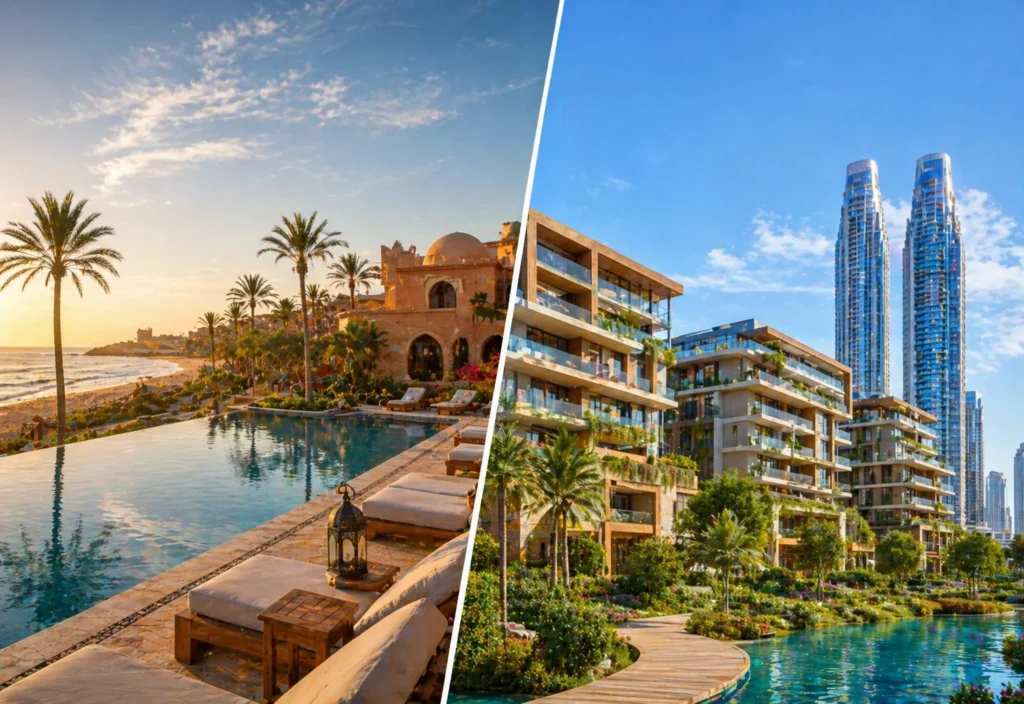
In Morocco, the focus is culture, heritage, and coastal tourism. In India, the emphasis is premium real estate and evolving urban luxury lifestyles. Both paths support growth while respecting market differences.
Global Outlook
Kerten Hospitality now operates multiple assets and has an expanding pipeline of hotel projects across the Middle East, Europe, and Africa. Its latest moves into Morocco and India suggest confidence in the future of travel-driven real estate and destination-focused hospitality.
For the tourism industry, the message is clear: growth opportunities are strongest where hotels combine local relevance with modern lifestyle expectations. As travelers seek richer experiences and investors look for resilient markets, Kerten Hospitality is positioning itself at the crossroads of both trends.
For more travel news like this, keep reading Global Travel Wire