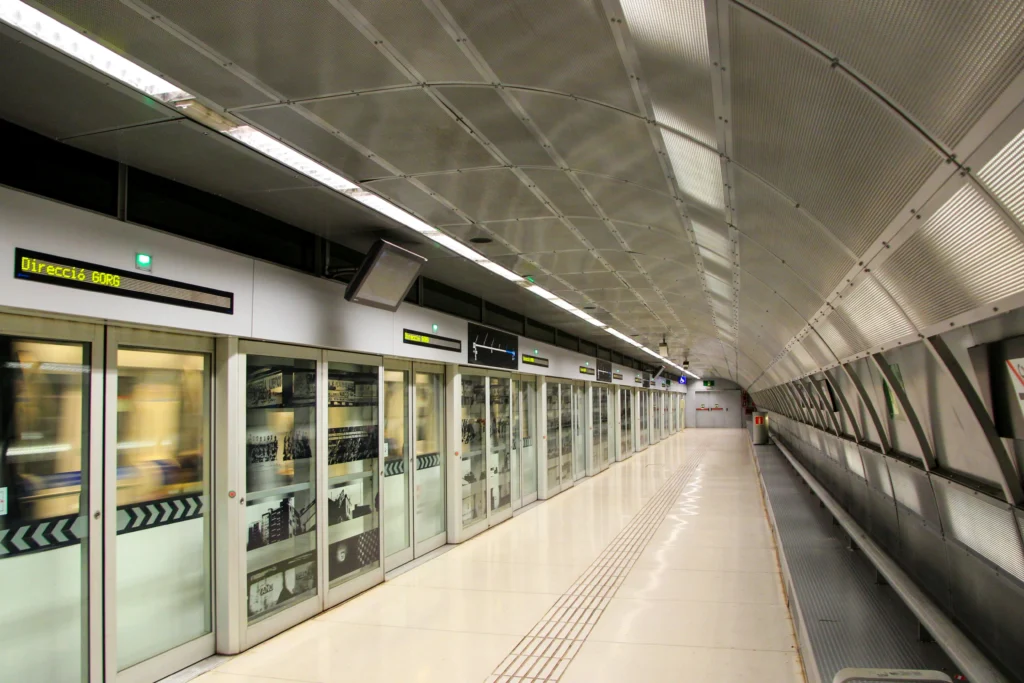
The architectural grandeur, world-class culinary scene, and vibrant cultural landscapes of Bilbao are set to become significantly more accessible to international globetrotters and regional commuters. In a landmark inter-institutional move, the Basque regional government and the Bizkaia provincial government officially authorized a comprehensive financing and construction agreement to develop the long-awaited Metro Bilbao Line 4. This massive infrastructure initiative will reshape the transit network of northern Spain, creating a seamless connection between the city’s bustling central plazas and its culturally rich, southern residential districts.
According to verified public announcements disseminated by Irekia, the official communication channel of the Basque Government, the project has been launched with an approved initial budget of €412 million. Demonstrating a shared commitment to regional connectivity, the Basque regional administration will underwrite 55% of the total infrastructure costs. The remaining 45% will be funded by the Provincial Council of Bizkaia, with its capital contribution strategically capped at €200 million through the year 2032. Financial supervisors noted that the total investment baseline will be progressively updated and refined as the comprehensive technical design and engineering phases advance over the coming months.
Mapping the Route: Linking Historic Districts and Academic Hubs
The newly finalized Line 4 route spans approximately 6.7 kilometers of state-of-the-art underground infrastructure, specifically engineered to integrate underserved southern neighborhoods directly into the primary urban transit framework. Designed to optimize passenger flow and shorten cross-city travel times, the line will originate at Matiko, which currently serves as the active terminus for Metro Line 3.
From Matiko, the tracks will carve beneath the city to serve several high-traffic transit nodes, including:
Deusto/Universidad: Providing direct, premium access to the historic campus of the University of Deusto, a major draw for international academic tourism and architectural enthusiasts.
Parque: Serving the lush green expanses and cultural institutions surrounding Doña Casilda Iturrizar Park.
Moyua: Establishing a vital central underground hub where passengers can effortlessly transition to Lines 1 and 2 of the existing rapid transit network.
Zabalburu and Irala: Weaving through dense commercial and residential neighborhoods characterized by traditional Basque gastronomy and local commerce.
Rekalde: Terminating in the heart of Bilbao’s iconic southern district, fulfilling a multi-decade community demand for rapid, high-capacity transport.
Official construction schedules indicate that the public infrastructure manager, Basque Railway Network (Euskal Trenbide Sarea – ETS), is on track to break ground on the initial tunneling phases in the Rekalde sector by the tail end of 2027. This systematic execution ensures that regional disruption is minimized while optimizing the mobilization of heavy boring equipment.
Focus Keyword: Sustainable Urban Mobility and the Transformation of Basque Travel
The authorization of Line 4 marks a defining milestone in the evolution of sustainable urban mobility across the Basque Country. As global travelers increasingly prioritize destinations that offer green, low-carbon transportation options, the expansion of electrified subterranean rail networks allows visitors to explore the full breadth of a metropolitan area without relying on carbon-intensive rental cars or fossil-fuel-powered taxis.
By moving thousands of daily commuters and international visitors off surface streets and into high-frequency electric trains, the project will drastically reduce localized traffic congestion and improve air quality throughout the Nervión river valley. This environmental focus aligns perfectly with the Sustainable Mobility priorities championed by regional authorities, establishing Bilbao as a premium global standard for eco-conscious city tourism.
For international vacationers, the integration of Line 4 into the existing network means that iconic cultural attractions—such as the world-renowned Guggenheim Museum Bilbao, the historic Casco Viejo (Old Town), and the sprawling southern neighborhoods—can be stitched together into a single, effortless day itinerary, maximizing the time spent experiencing local culture rather than navigating traffic.
Expanding Horizons: The Enkarterri Integration and Adif Rail Transfer
The strategic vision underpinning the Line 4 agreement extends well beyond the immediate city limits. Included within the formal government texts is a binding commitment between the Basque Government and the Bizkaia administration to jointly negotiate a vital rail-infrastructure transfer with Spain’s national infrastructure manager, Adif.
This historic negotiation seeks to transition the management of the existing 1000mm narrow-gauge railway lines entering the city from federal hands into regional control. This move follows a successful institutional milestone where the Basque regional government assumed full operational responsibility for the commuter services running along Line C4 between the Bilbao La Concordia terminal and La Calzada.
Securing the physical tracks alongside the service operations will unlock the highly anticipated second phase of the Line 4 master plan. This downstream expansion will utilize the integrated Line C4 infrastructure to extend metro-style high-frequency services directly past Rekalde into the spectacular, mountainous western region of Bizkaia, known as Enkarterri (Las Encartaciones). Famous for its medieval towers, pristine hiking trails, and artisanal agro-tourism, connecting Enkarterri directly to the metropolitan core will allow eco-tourists to transition seamlessly from urban luxury to rural wilderness, distributing tourism revenues deeper into the province’s traditional sub-regions.
As the engineering teams advance their blueprints toward the 2027 groundbreaking date, the horizon for Basque travel remains incredibly bright. Through disciplined financial cooperation, cutting-edge engineering, and an uncompromised focus on passenger comfort, Metro Bilbao is ensuring that the majestic landscapes and vibrant communities of northern Spain remain safe, sustainable, and beautifully open to exploration.
For more travel news like this, keep reading Global Travel Wire