Japan’s train etiquette is taking on greater importance in 2026 as international visitor demand continues to place pressure on some of the country’s busiest stations, commuter lines and bullet train services. Tourists planning journeys through Tokyo, Osaka, Kyoto and other major destinations can improve their experience by following several simple habits: queue before boarding, allow passengers to exit first, keep phones silent, manage luggage carefully and avoid blocking doors.
Japan recorded 3,692,200 international visitor arrivals in April 2026, the highest monthly total of the year. Arrivals during the first four months exceeded 14 million for the second consecutive year. With large numbers of travelers using rail networks to reach hotels, attractions, shopping districts and regional destinations, considerate behavior is becoming increasingly important.
Silent Phones and Quiet Conversations Matter
One of the most important rules is straightforward: set mobile phones to silent mode and avoid making calls onboard trains. Quiet conversations are generally acceptable, but loud voices can disrupt commuters sharing crowded carriages.
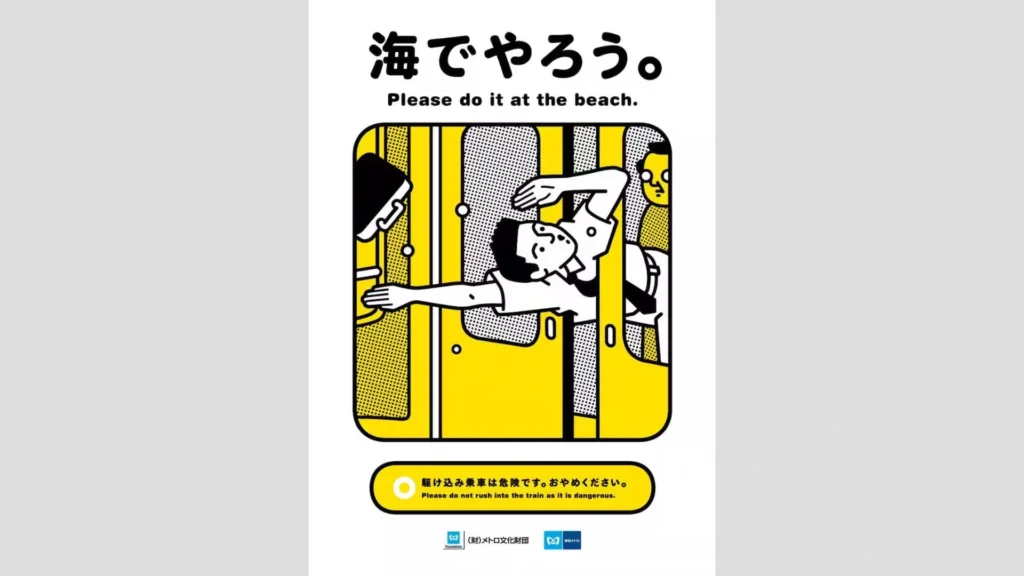
Tokyo Metro and Tobu Railway have highlighted these expectations through a visitor-focused campaign introduced in 2026. The guidance encourages passengers to use silent mode, avoid phone conversations, offer priority seats to people who need them and follow orderly boarding practices.
Tourists should also pay attention to the atmosphere inside each carriage. During busy commuting periods, many passengers travel quietly, and visitors can blend in easily by lowering their voices and keeping audio inside headphones.
Queue Properly and Let Passengers Exit First
Platform markings are essential in Japan. Travelers should stand in the designated lines, remain behind safety barriers and wait until passengers have fully exited before boarding.
This simple practice keeps stations moving efficiently, especially during peak periods when platforms can become crowded within minutes. Visitors carrying suitcases should avoid stopping suddenly near ticket gates, escalators or train doors, as these areas need to remain clear.
Walking while looking at a smartphone can also create problems in busy stations. Travelers checking maps or directions should step aside before stopping, rather than blocking the flow of commuters.
Luggage Planning Can Prevent Stressful Journeys
Large suitcases can be difficult to manage on crowded urban trains. Visitors traveling between airports, hotels and city centers should consider avoiding rush hour when possible and use luggage delivery or storage services when practical.
On selected Shinkansen services, baggage with combined dimensions between 160 centimeters and 250 centimeters requires an advance reservation for a seat with an oversized baggage area. Travelers using the Tokaido, Sanyo, Kyushu and Nishi-Kyushu Shinkansen should check their luggage dimensions before departure.
Smaller bags should be stored on luggage racks, near the passenger’s feet or in designated spaces where available. Bags should not occupy seats, obstruct aisles or prevent other passengers from entering and leaving the carriage.
Priority Seating Requires Extra Awareness
Priority seating is reserved for passengers who may need additional support, including elderly travelers, pregnant passengers, people with disabilities, injured passengers and adults traveling with infants.
Tourists should remain alert when using these areas and offer their seats when necessary. Even outside priority zones, giving up a seat to someone who appears to need it can make journeys more comfortable for everyone.
During crowded periods, backpacks should be removed or moved to the front of the body to reduce inconvenience. Travelers should also avoid standing directly in doorways when space is available elsewhere inside the carriage.
Station Photography Comes With Boundaries
Japan’s railways are a major attraction for international visitors, and many travelers enjoy taking photographs of trains and stations. However, photography should never interfere with safety or passenger movement.
Visitors should not lean beyond platform doors or safety barriers to capture images. They should also avoid blocking walkways, photographing people intrusively or creating congestion near popular train-viewing locations.
Keeping stations clean is equally important. Travelers should dispose of rubbish properly or carry it until they find a suitable waste bin.
Better Etiquette Supports a Better Japan Trip
Japan’s rail network is more than a transport system. It connects travelers with city hotels, cultural attractions, regional destinations, restaurants and tourism experiences across the country.
For visitors, the best approach is to observe local behavior and follow the rhythm of the station. Queue calmly, speak quietly, plan luggage carefully and remain aware of surrounding passengers. These small actions can make rail journeys smoother while helping tourists experience Japan with greater confidence and respect.
For more travel news like this, keep reading Global Travel Wire