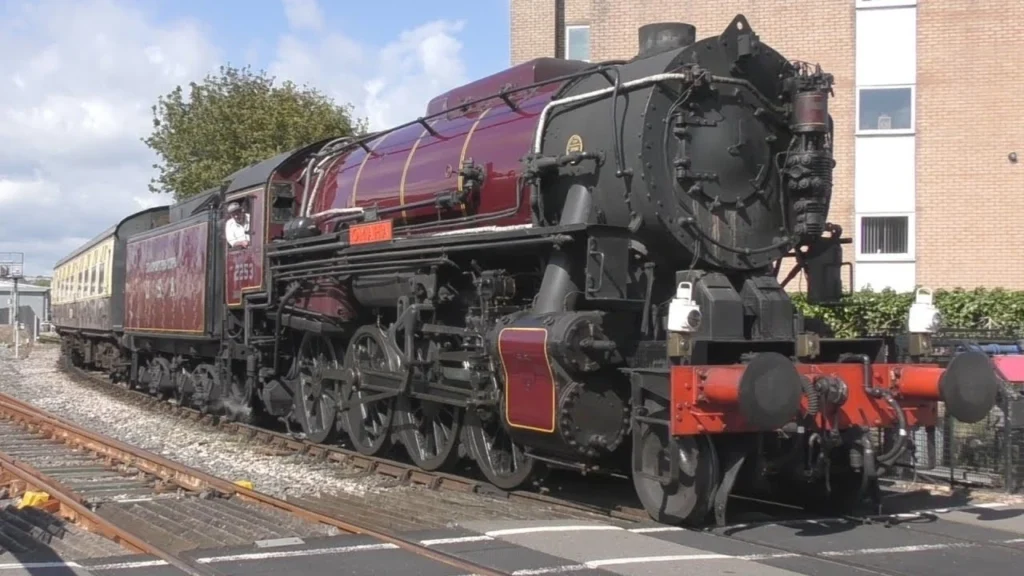
The United Kingdom’s heritage rail sector is preparing for a significant milestone as wartime steam locomotive USATC No. 2253 Omaha advances toward an oil-fired return at the North Yorkshire Moors Railway.
The conversion is expected to strengthen operational resilience, reduce dependence on increasingly costly steam coal and help manage lineside fire risks during dry summer periods. For travelers, the project adds a compelling new reason to explore one of England’s best-known heritage railway experiences.
Omaha is expected to be completed in 2026 as part of a wider strategy to protect steam operations while adapting historic rail travel to modern pressures. The locomotive remains a traditional steam engine, preserving the spectacle, atmosphere and engineering character that attract visitors to heritage railways across the United Kingdom.
Historic Steam Locomotive Carries Wartime Legacy
Built by Baldwin Locomotive Works in the United States, Omaha arrived in Britain in May 1943 during the Second World War. The locomotive formed part of the USATC S160 class designed by the United States Army Transportation Corps.
Around 800 S160 locomotives were manufactured in North America and shipped to Great Britain to support wartime operations. Omaha initially worked from Neville Hill depot in Leeds before continuing its journey through Europe.
After the war, the locomotive entered Polish State Railway ownership under the identity TR203-288. It returned to Britain in 1992, adding another chapter to a story shaped by transatlantic engineering, wartime logistics and railway preservation.
This layered history gives Omaha considerable tourism value. Visitors are not simply boarding a steam-hauled train. They are encountering a working piece of industrial heritage with connections to Britain, the United States and Poland.
Landmark Oil Conversion Supports Steam Resilience
The Omaha project is especially notable because it represents the first full-size steam locomotive oil conversion in the United Kingdom since the end of mainline steam operations.
The work responds to practical challenges facing heritage railways. Domestic supplies of suitable steam coal have become harder to secure, while imported coal can place additional pressure on operating costs. Hot and dry weather can also raise the risk of lineside fires during the peak summer travel season.
Oil firing provides another option. It can support more flexible steam operations, reduce particulate emissions and improve the railway’s ability to run heritage services when fire conditions become more difficult.
The conversion involves engineering work at Grosmont, supported by specialist expertise from the United States. The result is a project that connects Omaha’s American origins with its future role in British heritage tourism.
North Yorkshire Rail Journey Offers Scenic Appeal
The North Yorkshire Moors Railway gives travelers a moving heritage experience rather than a static museum visit. Its services travel through the North York Moors National Park and extend toward Whitby on the Yorkshire coast.
The complete journey covers 24 miles of scenery, linking destinations such as Pickering, Levisham, Goathland, Grosmont and Whitby. Each stop offers a different reason to explore.
Pickering provides a traditional market-town atmosphere and a 1930s-themed station. Levisham delivers a quieter countryside setting. Goathland is known for its period character and screen-tourism appeal. Grosmont remains the engineering heart of the railway. Whitby adds harbour views, coastal walks, restaurants and seaside accommodation.
Omaha’s return will add a fresh attraction to this established tourism corridor, encouraging repeat visits from railway enthusiasts, photographers, families and international travelers.
Heritage Railway Tourism Supports Local Businesses
Steam railway experiences can generate spending well beyond ticket sales. Visitors often combine train journeys with meals, shopping, accommodation, walking routes and coastal breaks.
For North Yorkshire, Omaha can support a broader visitor economy stretching from rural villages to Whitby’s waterfront. The locomotive’s wartime story also creates opportunities for educational visits and cultural tourism.
The railway is continuing to expand its visitor offer through dining services, station experiences and heritage attractions. Omaha fits naturally into that strategy because it gives travelers a new story to discover while preserving the emotional appeal of steam.
United Kingdom Heritage Rail Looks Ahead
Omaha’s oil-fired future reflects a wider question facing heritage railways: how can historic attractions protect authenticity while responding to changing fuel, safety and cost pressures?
The answer may differ across the sector, but the North Yorkshire Moors Railway is showing that adaptation can support preservation. Steam heritage does not need to stand still to remain meaningful.
As Omaha moves toward completion in 2026, the locomotive is set to become more than a technical achievement. It will represent a new tourism chapter for North Yorkshire and a visible example of how the United Kingdom’s railway heritage can continue moving forward.
For more travel news like this, keep reading Global Travel Wire