
Astana Airport Cancels Around 1,100 Flights Amid Middle East Tensions and Rising Aviation Costs
Astana Airport cancels around 1,100 flights amid Middle East tensions, while passenger traffic, cargo volumes and commercial revenue continue to grow.

Astana Airport cancels around 1,100 flights amid Middle East tensions, while passenger traffic, cargo volumes and commercial revenue continue to grow.
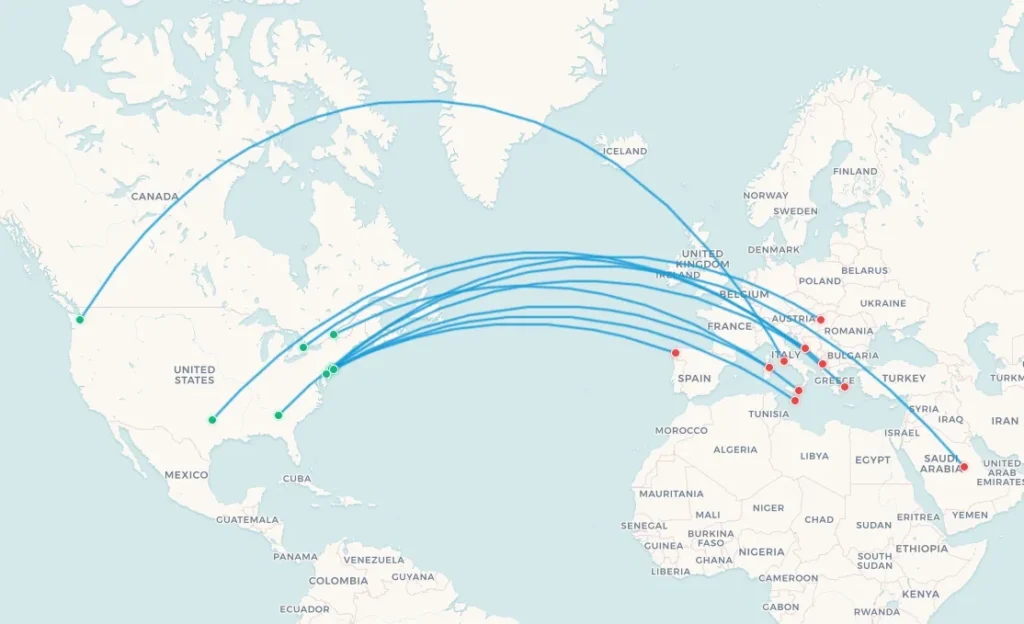
A major wave of airline route launches is reshaping international travel as carriers expand nonstop connectivity between global hubs, secondary cities and fast-growing tourism destinations. Approximately 30 services launched or entered their operating phase around late June 2026, connecting markets across North America, Europe, the Middle East, Asia and North Africa. The expansion includes strategic

Ethiopian Airlines is in talks with Airbus for up to 26 new aircraft, including A350s and A220s, as it advances fleet expansion, boosts regional and long-haul connectivity, and supports its ambitious global growth strategy.

The global aviation industry is navigating mounting financial and operational challenges as rising jet fuel prices and Middle East airspace disruptions squeeze airline profitability. While passenger demand remains strong, carriers are being forced to rethink routes, manage escalating costs, and prepare for potential fare increases amid an increasingly uncertain outlook for 2026.

The global aviation industry is under mounting financial pressure as soaring jet fuel prices outpace efficiency gains, squeezing airline profits and raising the likelihood of higher airfares. With geopolitical tensions fueling energy market volatility, carriers are rethinking operations, expansion plans, and pricing strategies while the broader travel and tourism sector braces for the ripple effects.

Rising fuel prices are placing renewed financial pressure on airlines worldwide, eroding profit margins and prompting carriers to reassess fares, operations, and network strategies. As energy market volatility persists, the industry faces the challenge of balancing strong travel demand with escalating operating costs while accelerating investments in fuel efficiency and sustainable aviation solutions.

Rising jet fuel prices are set to reshape the aviation industry in 2026, squeezing airline profits and making higher ticket prices increasingly likely. Driven by geopolitical tensions and energy market volatility, the surge in fuel costs is forcing carriers to rethink operations while leaving travelers to brace for more expensive air travel in the months ahead.

AI flight monitoring is rapidly becoming one of the most important forces in global aviation, quietly changing how airlines, airports, and aviation authorities manage the passenger journey from departure planning to arrival. While travelers still focus on tickets, baggage, security, gates, and boarding times, artificial intelligence is increasingly working behind the scenes to analyze flight
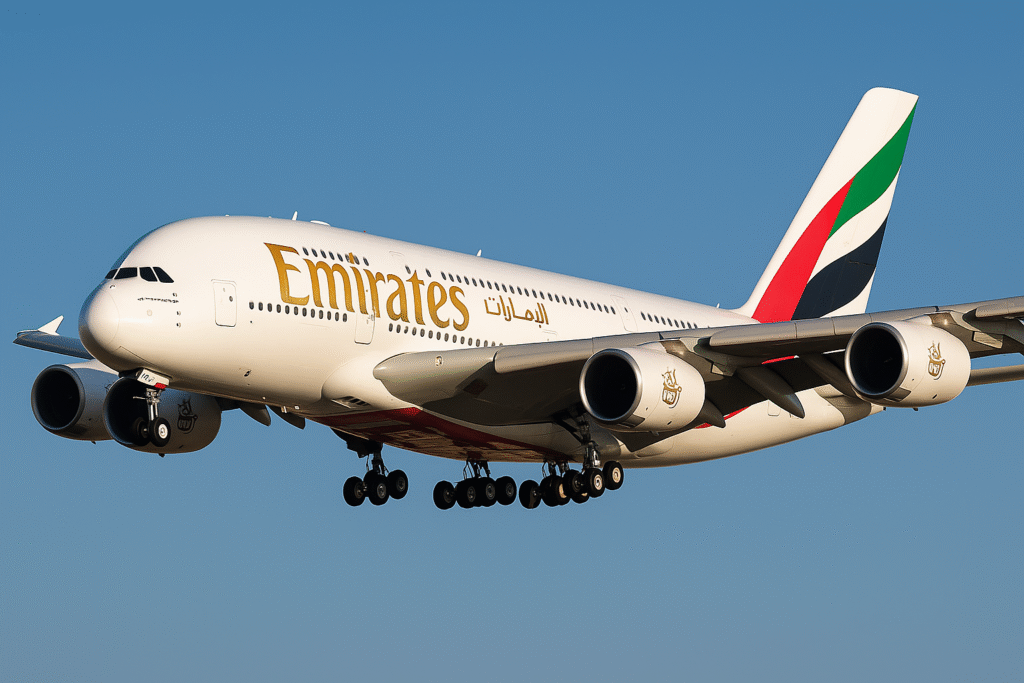
Dubai Airshow 2025 introduces bold conferences on innovation, sustainability, and tourism, setting new benchmarks in global aviation and aerospace.
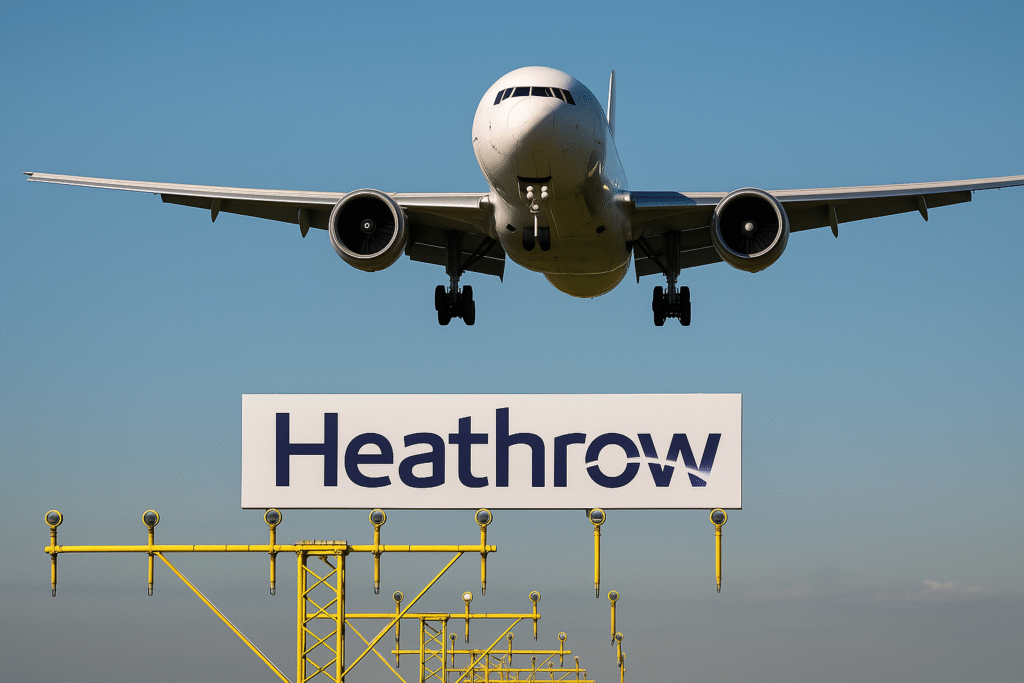
In 2024, US, China, and UK accounted for nearly 1.9 billion air passengers combined, powering a post‑pandemic aviation rebound and reshaping travel networks.

Ethiopian Airlines faces leasing and MRO hurdles in its proposed ACMI deal with Russia due to global sanctions and maintenance restrictions. Here’s what’s unfolding.
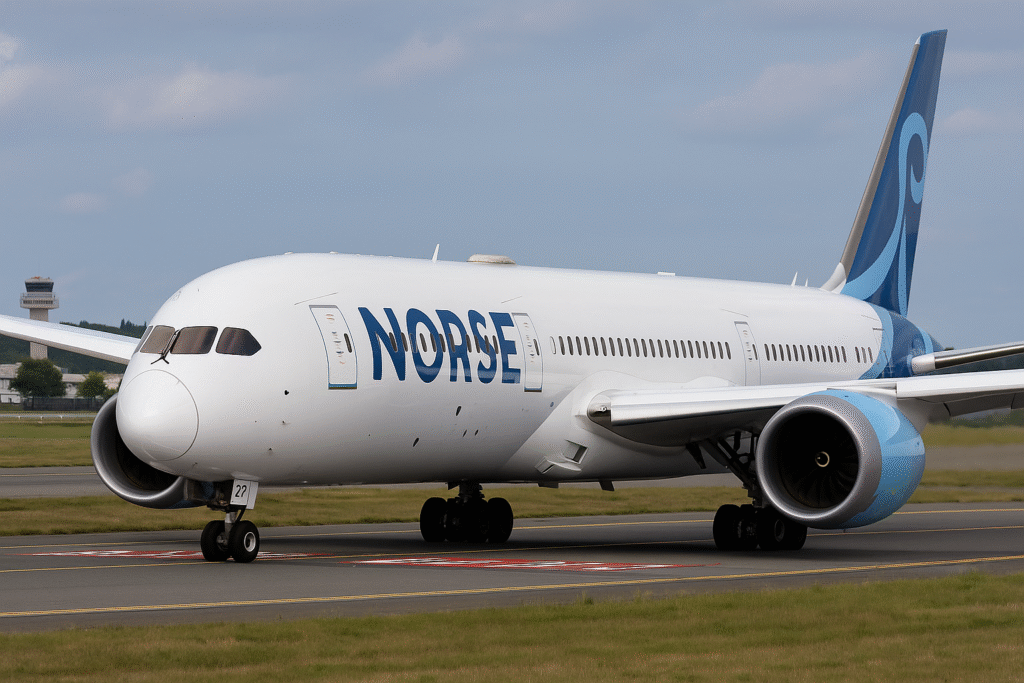
Norse Atlantic ASA appoints Kristin Berthelsen as Deputy CEO to accelerate growth, sustainability, and culture-driven leadership in global long-haul aviation.