In a decisive step towards strengthening its international footprint, Ethiopian Airlines has entered early-stage discussions with Airbus for a potential order of up to 26 aircraft. The move reflects the airline’s growing ambition to scale both its regional and long-haul operations at a time when global air travel demand continues to rise.
The proposed deal is expected to include around six Airbus A350 widebody aircraft and nearly 20 Airbus A220 regional jets. While no formal agreement has been signed yet, the discussions highlight a strategic shift in fleet planning that could reshape the airline’s future network structure.
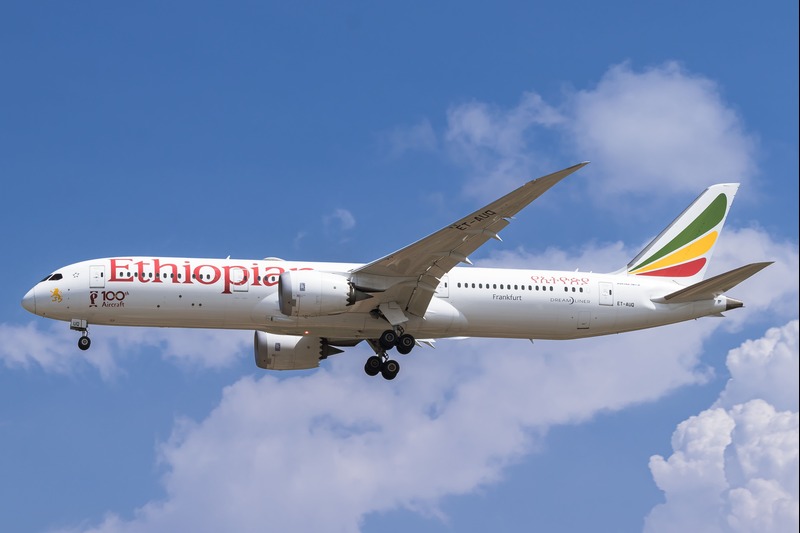
At present, Ethiopian Airlines operates a fleet of nearly 150 aircraft, primarily dominated by Boeing models such as the 737, 777, and 787 families. However, the introduction of Airbus aircraft would mark a notable diversification in its fleet strategy, strengthening flexibility across different route categories and improving long-term operational resilience.
Fleet Diversification Amid Operational Pressure
The potential Airbus partnership comes at a critical moment for the airline as it continues to face delivery delays from existing Boeing orders. Ethiopian Airlines is still awaiting more than 60 aircraft, a delay that has placed pressure on its rapid expansion roadmap and forced the carrier to evaluate alternative solutions.
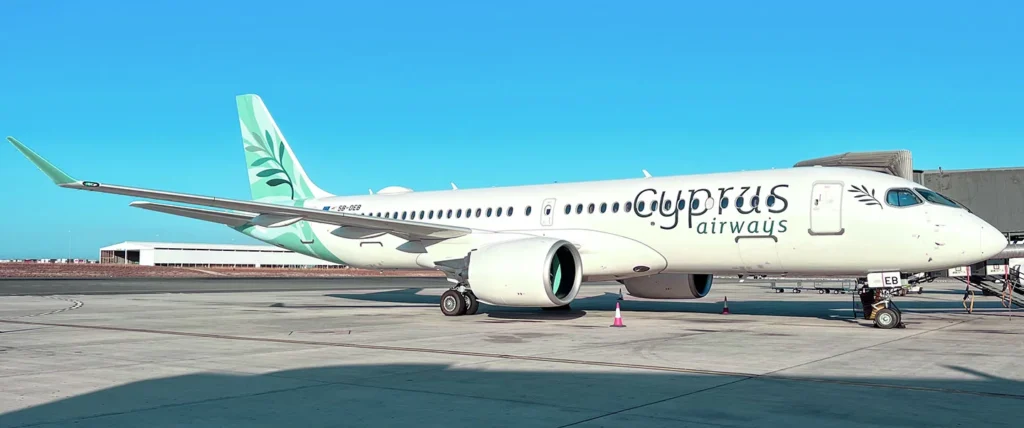
Aviation analysts suggest that the Airbus A220 could offer immediate operational advantages for African regional routes. Designed for short to medium-haul sectors, the aircraft is considered highly efficient for markets with fluctuating demand patterns, particularly across domestic and intra-African connectivity corridors.
Meanwhile, the Airbus A350 is expected to support Ethiopian Airlines’ long-haul expansion strategy. Known for its fuel efficiency, extended range, and passenger comfort, the aircraft would enhance the airline’s ability to operate intercontinental routes more sustainably while managing rising fuel costs.
Cost Efficiency and Market Competitiveness
With global aviation fuel prices remaining volatile, airlines worldwide are prioritising efficiency-driven fleet upgrades. Ethiopian Airlines is no exception. The inclusion of A220 aircraft is seen as a cost-optimisation move, allowing the carrier to maintain competitive fares while improving load factor efficiency on regional routes.
This strategy is also aimed at strengthening the airline’s competitive position against global rivals such as Emirates and Turkish Airlines, both of which maintain strong networks across Africa and beyond.
By aligning fleet modernisation with cost efficiency, Ethiopian Airlines is working to reinforce its status as one of Africa’s most influential aviation players.
Mega Airport Project to Support Expansion
Alongside fleet growth, Ethiopian Airlines is heavily investing in infrastructure development to support future demand. The airline is leading a massive USD 12.5 billion airport project near Bishoftu, approximately 45 kilometres from Addis Ababa.
This upcoming aviation hub is designed to transform Ethiopia into a major global transit point. In its first phase, expected by 2030, the airport will be capable of handling around 60 million passengers annually. Long-term expansion plans could increase this capacity to nearly 110 million passengers by 2036, placing it among the world’s largest airports.
The development is expected to significantly boost connectivity, tourism, and trade, positioning Ethiopia as a strategic aviation gateway between Africa, the Middle East, and Asia.
Strategic Vision for Global Aviation Leadership
Ethiopian Airlines’ dual focus on fleet expansion and infrastructure investment reflects a broader ambition to strengthen its global competitiveness. With operations spanning over 125 international destinations, the airline has already established itself as a leading African carrier with a steadily expanding global presence.
The introduction of Airbus aircraft would further support network optimisation. The A220 would enhance regional accessibility, while the A350 would unlock additional long-haul opportunities, enabling the airline to expand its reach into new intercontinental markets.
Industry observers note that this balanced strategy—combining fleet diversification, operational efficiency, and infrastructure scaling—positions Ethiopian Airlines for sustained growth in an increasingly competitive global aviation landscape.
Conclusion: A Defining Phase of Transformation
As discussions with Airbus progress, Ethiopian Airlines appears to be entering a defining phase of transformation. The potential acquisition of up to 26 aircraft, combined with its ambitious airport expansion project, signals a clear intent to evolve from a regional leader into a major global aviation force.
If finalised, the deal would not only reshape the airline’s fleet composition but also accelerate its long-term vision of becoming a dominant transit hub between continents. With strategic investments aligning across fleet, infrastructure, and network expansion, Ethiopian Airlines is steadily charting a path toward stronger global influence and sustained aviation leadership.