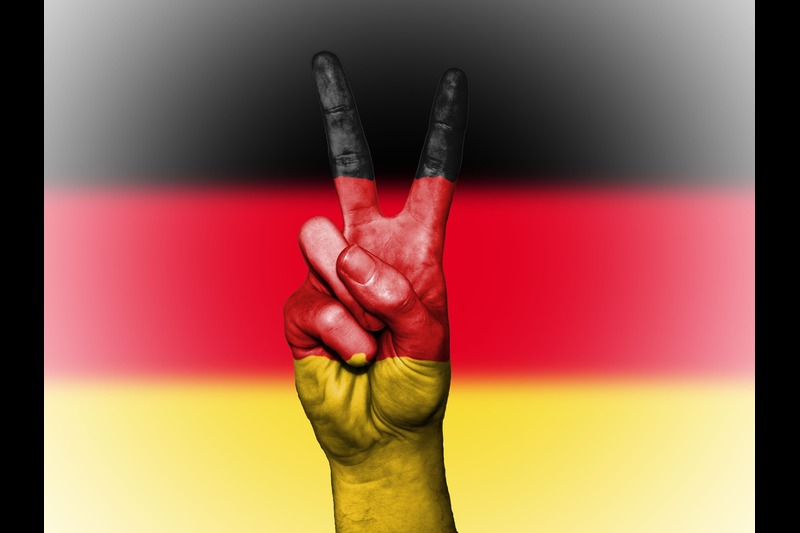
German Unity Day 2026 marks 36 years since reunification, but its significance reaches far beyond a national anniversary. For Germany’s travel and tourism sector, October 3 also recalls a remarkable transformation: the moment when freedom of movement opened new possibilities for millions of people and helped reshape Germany’s place on the global tourism map.
The fall of the Berlin Wall in November 1989 and the reunification of Germany on October 3, 1990 changed everyday life in ways that are still visible today. Among the most immediate changes was the ability to travel freely. For East Germans, destinations that had once been largely inaccessible suddenly became reachable, turning international holidays from a distant possibility into a reality for many families.
From a Divided Country to an Open Travel Market
Before reunification, movement between East and West Germany was heavily restricted, with only limited exceptions for travel to the West. The opening of the Berlin Wall changed that reality almost overnight.
One of the most memorable symbols of this new freedom came in 1990, when East German holidaymakers began traveling to destinations such as Mallorca. A Mediterranean vacation may seem routine today, but for travelers who had spent decades behind the Iron Curtain, boarding an aircraft for Spain represented something much bigger than a conventional holiday.
It was the freedom to decide where to go, experience another culture and return home.
As travel opportunities expanded, destinations across Europe benefited from the arrival of new German travelers. Spain, Italy, Greece, Austria, France and Turkey became increasingly accessible, while longer-haul destinations gradually entered the holiday plans of more German households.
This expansion also strengthened Germany’s role as one of Europe’s most important outbound tourism markets.
Berlin Emerges as a Global Tourism Destination
Reunification transformed not only where Germans could travel but also how international visitors viewed Germany.
Berlin became the clearest example. Once divided by a heavily guarded border, the city gradually developed into one of Europe’s most internationally recognized destinations. The Brandenburg Gate, Berlin Wall remains and former border locations became powerful attractions for visitors interested in history, while the city’s cultural scene, museums, nightlife and creative industries added new dimensions to its tourism appeal.
Berlin’s transformation remains particularly striking because the city went from being a symbol of division to a meeting point for travelers from around the world.
The wider reunification process also brought greater international attention to eastern German destinations. Dresden, Leipzig, Weimar, Potsdam and other cities could increasingly be promoted as part of a unified German destination rather than locations separated from Western Europe by the political divisions of the Cold War.
German Travelers and the Global Tourism Economy
The impact of reunification extends well beyond Germany’s borders. As travel became increasingly accessible, German holidaymakers became an important source of visitors for destinations across Europe and beyond.
According to figures cited in the original report, Germans spent €83.4 billion on travel booked before departure in 2024, while 56.4 million people took at least one holiday trip lasting five days or longer. Around 80 percent of the population traveled during the year.
That spending supports a broad international tourism network encompassing airlines, hotels, restaurants, tour operators, cruise companies, attractions and local businesses.
The significance of this travel culture can also be seen in Germany’s own visitor economy. The country recorded approximately 497.5 million overnight stays in 2025, according to figures cited in the report, demonstrating the scale of Germany’s appeal as an international destination.
Why German Unity Day Still Matters to Tourism
For today’s younger travelers, the freedom to cross European borders, book a flight online and spend a holiday abroad can feel completely ordinary. Yet that convenience is relatively recent when viewed against Germany’s modern history.
German Unity Day therefore offers an opportunity to look at travel differently. Tourism is often discussed in terms of visitor numbers, hotel occupancy, airline capacity and economic contribution, but travel can also reflect wider social change.
The story of reunification demonstrates how quickly tourism patterns can change when borders open and people gain greater freedom of movement.
It also explains why Berlin has become such a powerful destination for international travelers. The city does not simply preserve the history of division; it showcases what happened afterward.
A Legacy That Continues to Shape Travel
Thirty-six years after reunification, Germany’s tourism landscape looks dramatically different from the country that existed before October 1990. International visitors now arrive in a Germany where Berlin is a global city, eastern and western destinations are connected within one national tourism market, and German travelers routinely cross borders for holidays.
German Unity Day 2026 is therefore more than a historical milestone for the country. It is also a reminder of how closely freedom, mobility and tourism can be connected.
The most powerful legacy may be found in something that once seemed extraordinary but is now completely ordinary: packing a suitcase, heading to an airport or railway station and choosing where the journey will take you. For millions of Germans, that freedom became possible within a single generation—and it helped open Germany, and its people, to a much larger world.