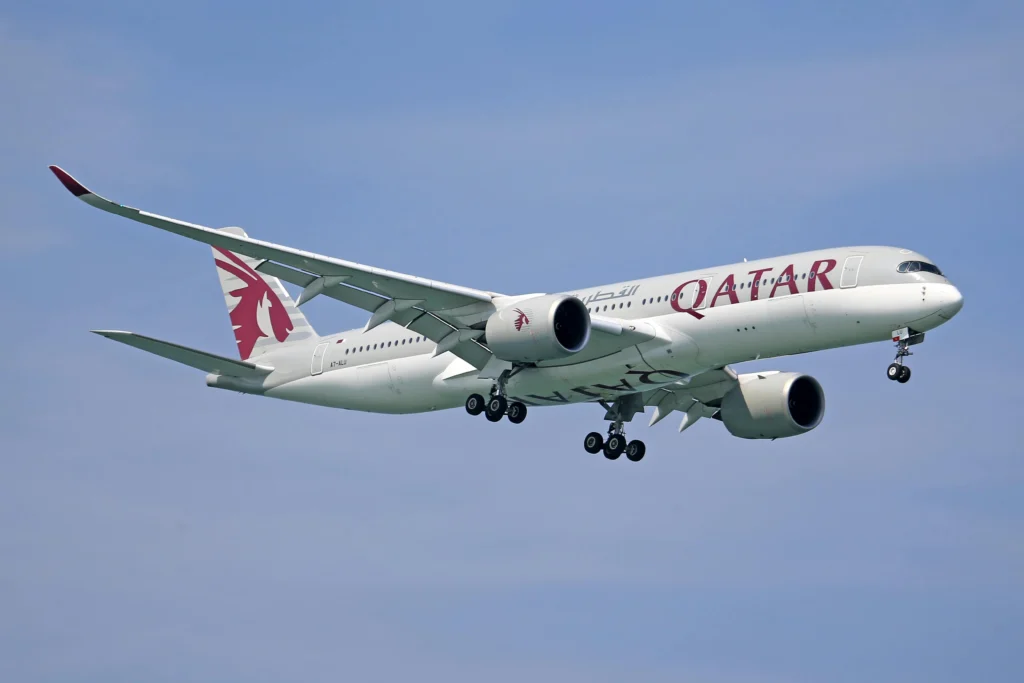
The landscape of international aviation is experiencing a monumental shift toward long-term network resilience and aggressive capacity development. In a major development for the global tourism sector, Qatar Airways has officially finalized a sweeping fleet expansion strategy designed to enhance operational reliability and streamline transit flows across its intercontinental flight paths. By deploying vast capital reserves accumulated over a highly successful operating year, the Middle Eastern carrier aims to minimize the scheduling bottlenecks and aircraft availability constraints that frequently challenge traditional transit networks during peak travel periods.
According to the airline’s verified annual financial statements, the group recorded a robust post-tax profit of QAR 7.08 billion for the recent fiscal period. This solid financial baseline was achieved despite complex geopolitical realignments and localized airspace restrictions that required strategic rerouting across several prominent travel corridors. By managing an astonishing 41.8 million passengers over the course of twelve months, the airline demonstrated exceptional operational agility, using its financial stability as a protective buffer to support continuous network expansion and maintain strict on-time performance standards.
Strategic Megadeal Solidifies Fleet Upgrades and Engine Reliability
The core of this long-term capacity upgrade centers on an extensive aircraft procurement framework executed in coordination with leading global aerospace suppliers. Qatar Airways has secured formalized agreements encompassing the long-term acquisition and comprehensive maintenance of up to 210 next-generation aircraft and 400 high-performance aircraft engines, partnering closely with manufacturing giants Boeing and GE Aerospace.
This extensive hardware integration allows the carrier to systematically phase out older, maintenance-heavy airframes, replacing them with highly efficient widebody aircraft optimized for long-haul long-distance efficiency. For global leisure and business travelers, the addition of these cutting-edge jets translates to a more reliable travel experience, effectively lowering the risk of technical delays and mechanical gate rejections. This fleet modernization program ensures the airline can easily absorb sudden traffic surges across its primary scheduling grid.
Expanding the Mid-Year Global Network to Over 160 Destinations
The rapid delivery and deployment of these new aircraft align perfectly with the group’s aggressive route planning. The airline confirms it is on track to operate scheduled passenger services to more than 160 international destinations. This extensive network configuration establishes Hamad International Airport in Doha as a remarkably resilient global hub, specifically structured to facilitate swift, reliable connections between major economic and vacation centers.
By providing extensive high-frequency nonstop flights across diverse geographical regions, the expanded network allows international tourists to book comprehensive, single-ticket itineraries. This approach minimizes the necessity of navigating fragmented, multi-airline connections through hyper-congested regional airports. Civil aviation authorites emphasize that this continuous expansion heavily supports global tourism growth, giving international travelers access to predictable, high-value travel corridors that connect Europe, the Americas, Africa, Asia, and the Pacific.
Statistical Overview of Financial Performance and Operational Metrics
To provide precise clarity regarding the scale of this capital deployment, official aviation data details the carrier’s key operational and financial milestones:
Total Passenger Volume: Over 41.8 million travelers carried globally
Net Post-Tax Profit: QAR 7.08 billion
Fleet Procurement Plan: Up to 210 new aircraft integrated into active service
Engine Acquisition Grid: Up to 400 advanced power units from GE Aerospace
Core Strategic Partnerships: Boeing and GE Aerospace
Total Network Footprint: Over 160 distinct international destinations
These metrics highlight how a well-capitalized carrier can successfully navigate fluctuating global jet fuel costs and macro-economic volatility to deliver a premium, scalable transit model for the international travel market.
Enhancing Passenger Comfort and Mitigating Transit Fatigue
For everyday international travelers, the combination of advanced aircraft technology and robust financial backing provides a significant reduction in travel anxiety. The integration of modern Boeing platforms introduces next-generation cabin architecture to long-haul routes, featuring improved cabin pressurization systems, advanced humidity controls, and state-of-the-art in-flight entertainment environments designed to combat physiological transit fatigue.
Furthermore, routing through a highly profitable, state-backed carrier ensures that consumer itineraries remain fully protected against the abrupt operational pauses or sudden corporate liquidations that have occasionally affected budget operators. The multi-billion-Riyal investment in spare parts, crew training reserves, and predictive maintenance programs guarantees that even during volatile weather events or global air traffic control holds, the airline maintains the physical capacity to manage scheduling challenges without resorting to cascading flight cancellations.
Driving Long-Term Economic and Tourism Cooperation
Aviation industry summaries view this aggressive fleet expansion as a highly calculated maneuver to secure critical aerospace supply chains. By locking in a massive backlog of aircraft orders and engine service agreements, the carrier maintains a distinct competitive edge, ensuring it possesses the necessary hardware to meet growing global passenger demand well into the future.
Connecting over 160 global markets on a highly reliable schedule does more than optimize airline balance sheets; it drives cross-border tourism, enhances international trade logistics, and supports broader economic cooperation between nations. As global airport infrastructure continues to evolve, the implementation of a heavily fortified, financially resilient aviation model sets a new benchmark for operational excellence, ensuring millions of annual travelers enjoy a seamless and predictable journey across the globe.
For more travel news like this, keep reading Global Travel Wire