Visitors to Syria’s Aleppo Citadel can now explore its history through six digital stations installed as part of a new project called Touristech. Launched during World Tourism Day celebrations on 27 September 2026, the initiative uses interactive displays and digital content to explain the fortress and its place in Aleppo’s past.
The first phase gives visitors access to information at six locations inside the citadel. QR codes connect the displays to online material, while organisers are developing a dedicated digital platform with content in seven languages.
Syrian Tourism Minister Mazen al-Salhani presented the launch as a way to tell the country’s heritage stories through technology. The project’s backers also plan to use artificial intelligence to develop visual explanations of each location’s history, original purpose and name.
For travellers, the immediate change is a more structured way to understand what they see on site. The larger ambition is to make Aleppo’s heritage accessible to wider audiences while supporting its long-term care.
Six Stations Explain the Fortress
The digital stations turn a visit through the citadel into an interpreted route. Rather than encountering historic structures without context, visitors can use the displays to learn how individual spaces formed part of the fortress.
The project presents Aleppo’s history across thousands of years. Organisers say its QR-linked material will provide further detail, including images, maps and historical information that visitors can explore on their own devices.
Multilingual content could be particularly useful for international travellers, researchers and students. It may also help local guides introduce the site’s different periods while allowing visitors to revisit information after leaving a station.
The technology remains in its first phase. The announced use of AI concerns the presentation of historical content; it should not be confused with a confirmed system for monitoring structural damage or predicting deterioration.
Why Aleppo’s Heritage Needs Careful Interpretation
The citadel rises above the markets, religious buildings and streets of the Ancient City of Aleppo. The wider historic city holds UNESCO World Heritage status, reflecting the many civilisations that shaped its buildings and urban fabric.
Aleppo’s heritage has suffered severe damage during conflict. The February 2023 earthquake added further pressure to historic structures, including parts of the citadel and surrounding old city.
Digital interpretation can help visitors understand that history and the importance of conservation. Screens and online records can present information without requiring people to enter every fragile space. They cannot, however, replace physical repairs, archaeological expertise or the continuing work needed to safeguard historic buildings.
That distinction matters for a site recovering from multiple forms of damage. Touristech adds a visitor experience and documentation layer to Aleppo’s heritage work; the condition of its structures requires separate conservation decisions.
Local Partners Shape the Visitor Experience
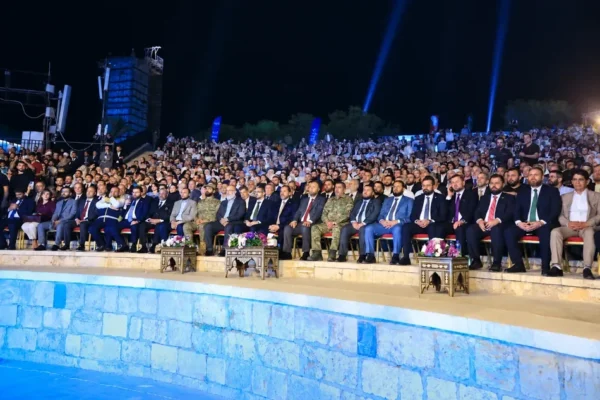
The launch brought together tourism officials, local organisations and a technology sponsor. Junior Chamber International Beroea is involved in the initiative, while the Northern Region Tourism Chamber helped organise the World Tourism Day event.
The Ministry of Tourism also welcomed an initial group of young guides and announced operational guidance during the celebration. Human interpretation will remain important as digital content expands, especially when explaining complex history or responding to visitors’ questions.
For businesses around the old city, renewed interest in the citadel could create opportunities for guides, accommodation providers, restaurants and craftspeople. Any economic effect will depend on visitor numbers and the wider conditions for travel to Aleppo.
Touristech’s organisers intend to develop guidance for applying similar digital methods at other Syrian tourism sites. Potential future locations include Aleppo’s Great Mosque and St. Simeon Citadel. Those plans represent a proposed expansion, beyond the six stations launched at Aleppo Citadel.
A New Way to Encounter Aleppo
The project gives visitors another means to connect the fortress’s surviving architecture with the people and events behind it. A display can identify a location, while a guide or deeper digital archive can explain its role across different centuries.
Its value will depend on accurate content, useful translations, reliable access and continued maintenance. These details determine whether technology helps people understand a place or simply adds another screen to a historic setting.
At Aleppo Citadel, Touristech begins with a clear visitor-facing step: six interpretive stations and a path to more information. Its future phases may extend that experience, while the essential work of protecting Aleppo’s physical heritage continues.
For more travel news like this, keep reading Global Travel Wire