A profound shift in regional transportation preferences is reshaping the North American travel sector this summer. According to consolidated passenger data released by Flix North America, the parent organization overseeing major transit carriers FlixBus and Greyhound, ridership volumes have experienced an unprecedented surge across primary metropolitan areas. Passenger traffic in key regional hubs, including New York, New Jersey, Boston, Philadelphia, Dallas, and Kansas City, has officially climbed to its highest statistical levels since January 2025.
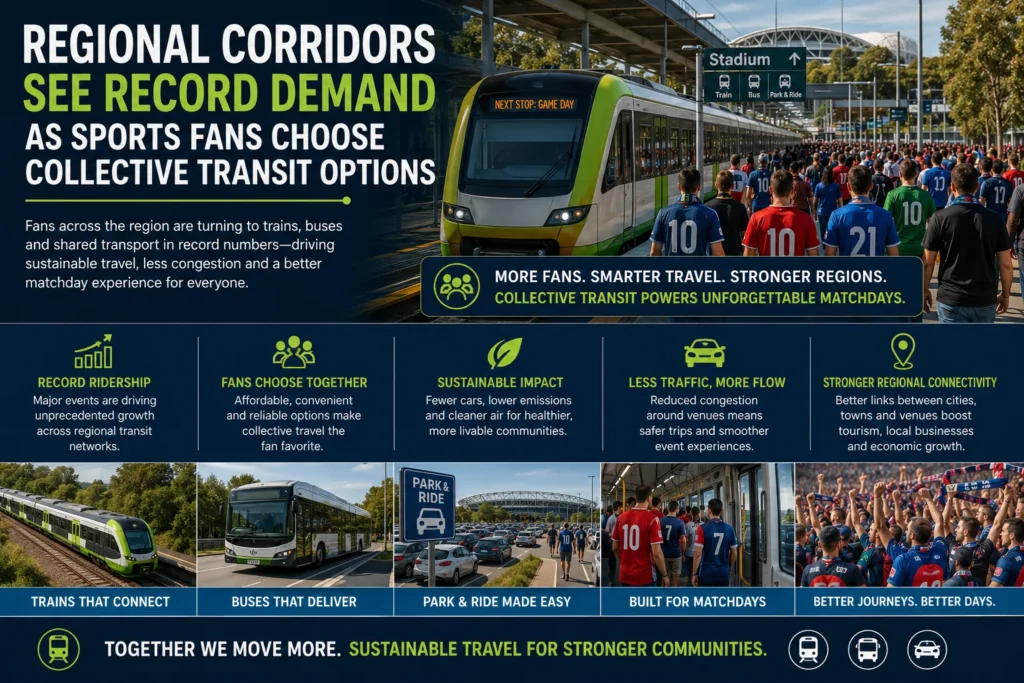
This distinct wave of passenger growth coincides with massive stadium attendance spikes and widespread fan events tied directly to the ongoing tournament matches playing out across the continent. With long-distance travel logistics heavily impacted by elevated operational costs, consumer behavior has visibly shifted toward affordable, collective ground transportation models to bridge the distance between major host destinations.
Cost Conscious Fans Maximize Budgets via Regional Transit Links
The current economics of the domestic tourism market are driving a substantial portion of the public to reconsider traditional airline or single-occupancy vehicle travel. Persistently high jet fuel costs, volatile retail gasoline prices, and the secondary expenses of urban vehicle parking have created an environment where multi-city itineraries can quickly become financially prohibitive for the average sports tourist.
Operational data reveals that the most aggressive ridership spikes are concentrated squarely along shorter regional routes that directly link major host communities. This trend is particularly evident throughout the high-density infrastructure of the Northeast Corridor. By utilizing coordinated intercity bus travel networks, travelers are successfully attending matches in multiple consecutive cities while avoiding the financial strain and logistical friction associated with navigating busy airport security lines or managing highway gridlock.
At the absolute center of this network-wide demand is the highly active travel channel running between New York City and Boston. Public transit metrics identify this specific urban connection as the most heavily booked route across the combined regional networks. The ease of moving directly from one downtown city center to another, without the need for peripheral commuter train transfers or expensive terminal parking fees, has solidified ground transit as the preferred choice for time-sensitive, cost-conscious event attendees.
Domestic Bookings Dominate While International Arrivals Expand
A closer examination of the passenger demographics reveals a diverse mix of both regional commuters and international inbound travelers. While domestic sports fans account for the vast majority of reservations recorded throughout the current summer season, international transit bookings have simultaneously experienced a substantial upward movement.
According to official arrival documentation and network booking profiles, inbound vacationers originating from the United Kingdom, Germany, France, Australia, Brazil, Spain, and Italy represent the largest international cohorts utilizing the intercity motorcoach network. For these overseas tourists, the ability to effortlessly combine multiple geographically distinct destinations into a single cohesive vacation itinerary makes the expansive ground network highly practical.
The extensive service footprint, which links more than 1,800 independent destinations across the United States, Canada, and Mexico, allows foreign visitors to easily navigate unfamiliar territory. It enables them to transition smoothly from high-profile sporting arenas to regional cultural points of interest without the burden of renting vehicles or securing complex domestic flight transfers.
Long Term Infrastructure Expansions Support Changing Market Dynamics
The current surge in passenger volumes is not merely a temporary reaction to a singular sporting event, but rather the continuation of a broader, sustained transformation in consumer travel habits across North America. Over the past 18 months, public transit boards and transport analysts have observed a steady, incremental rise in the baseline demand for long-distance bus infrastructure, driven by an evolving public perception of collective transit options.
To effectively accommodate this changing market dynamic, operators have systematically modernized their physical fleets and digital service capabilities. Modern intercity coaches are increasingly engineered to function as mobile workspaces and comfortable leisure environments, featuring standard amenities such as complimentary onboard wireless internet, dedicated personal power outlets, real-time digital trip tracking systems, and generous luggage allowances.
Corporate communications leadership from the transit sector noted that affordability and reliability remain the two most critical considerations governing modern travel choices. By continuously adding new regional routes and increasing the daily frequency of trips between major metropolitan areas and historically underserved rural communities, the intercity bus network is increasingly acting as a vital pillar of the continent’s active tourism and transit infrastructure, proving that sustainable, shared mobility can effectively meet the rigorous demands of world-class international events.
For more travel news like this, keep reading Global Travel Wire