SiteMinder has unveiled an AI-powered Dynamic Commerce Engine designed to help hotels find revenue opportunities across pricing and room distribution. The system will identify commercial problems, recommend changes and carry out approved actions when it goes live over the coming months.
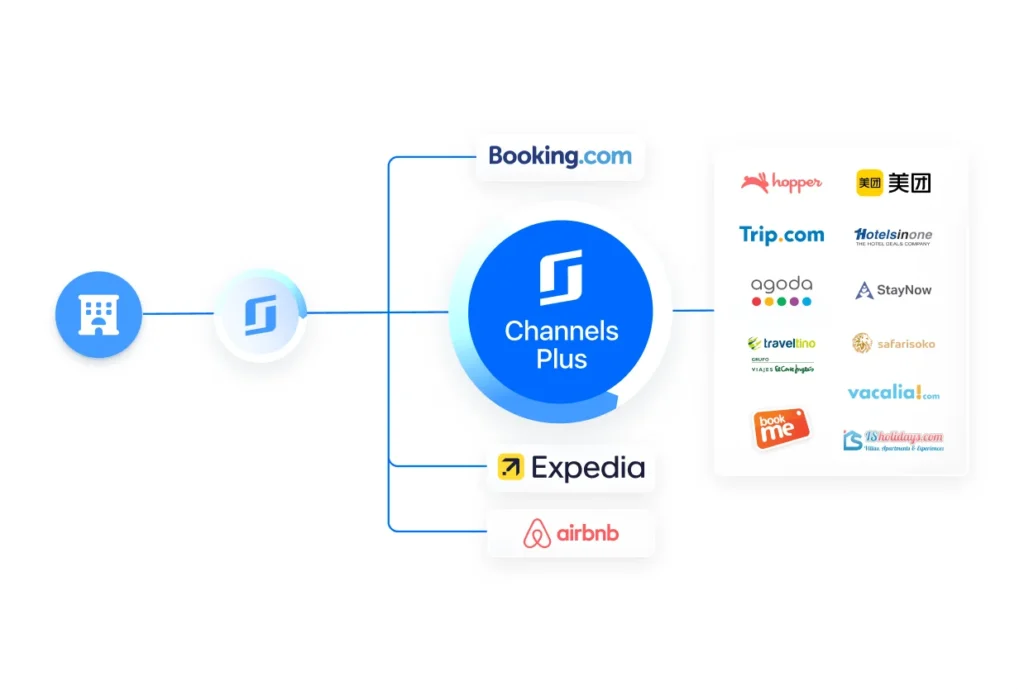
The launch addresses a practical challenge for accommodation providers. A hotel may offer the right room at a competitive price but still miss a booking. A broken sales-channel connection or incorrectly mapped room can prevent travellers from seeing that offer.
SiteMinder says its new engine will examine both rates and the systems that make rooms available to guests. Hotel teams will approve every recommended change before the technology executes it.
Distribution Problems Can Hide Available Rooms
Many hotel revenue tools focus on room rates. They help operators respond to demand by recommending when prices should rise or fall. Yet a price change has limited value if a traveller cannot find or book the room.
Hotels sell through their own websites and through external booking channels. Information about room types, rates and availability must move accurately between those systems. When a connection fails, an available room may disappear from a sales channel.
Incorrect room mapping can cause a similar problem. A room category in one system may not match its listing elsewhere, leaving staff with an issue that is difficult to spot during daily operations.
SiteMinder’s Dynamic Commerce Engine aims to bring those underlying problems into view. It will assess where a hotel could improve distribution alongside opportunities to adjust pricing.
For travellers, accurate listings mean a better chance of finding the room they want at the displayed rate. For hotels, correcting a technical barrier could recover bookings without adding rooms or changing the property itself.
AI Ranks Opportunities for Hotel Teams
SiteMinder says its platform serves 56,000 individual properties and powers 2.6 million hotel rooms. It processes 140 million reservations and 300 million room nights each year.
The company plans to use that scale to inform the new engine’s recommendations. Its machine learning model will analyse nearly four billion signals involving availability, rates and inventory. It will then rank opportunities for each property.
That approach could help busy hotel teams decide where to act first. A small rate adjustment may matter less than a disconnected channel during a period of strong demand. The engine aims to identify the changes with the greatest potential value.
SiteMinder describes the system as proactive. Rather than waiting for a hotel employee to request a report, it will bring recommended actions to the team’s attention.
Human approval remains part of the process. Hoteliers will review each proposed change before the engine carries it out, allowing them to apply their knowledge of the property and its guests.
Traveller Trust Adds Urgency to Accurate Listings
The launch also reflects how quickly a poor online experience can interrupt a booking. SiteMinder surveyed more than 12,000 travellers across 14 countries about their accommodation decisions.
In that research, 51.4% said they had abandoned an online hotel booking because of a bad experience. Another 26.5% cited reviews, photographs or property details that did not feel trustworthy.
Those findings underline the importance of reliable information throughout the booking journey. Travellers need to understand which room they are choosing, whether it is available and what they will pay.
Hotels can lose that confidence when information differs between channels or appears incomplete. A smooth booking experience therefore depends on the quality of the distribution system as well as the appeal of the property.
The new engine will focus on commercial and distribution improvements. Its launch does not mean AI alone can solve every issue that affects a traveller’s trust. Hotels will still need to maintain accurate descriptions and a dependable guest experience.
Hotels Keep Control as Launch Approaches
SiteMinder says the Dynamic Commerce Engine will become available over the coming months. Its planned workflow connects three steps: finding an opportunity, recommending an action and executing it after hotel approval.
The distinction matters for operators with limited time. A report can reveal a problem, but the hotel must still determine how to fix it. SiteMinder aims to shorten that path while keeping staff responsible for the decision.
The potential benefit will become clearer once hotels begin using the engine. Improvements in channel connections and room availability could help properties capture demand they currently miss.
For the wider hospitality industry, the launch signals a broader view of revenue management. Setting the right price remains important. Making sure travellers can discover and book the room is equally central to turning demand into a reservation.
For more travel news like this, keep reading Global Travel Wire