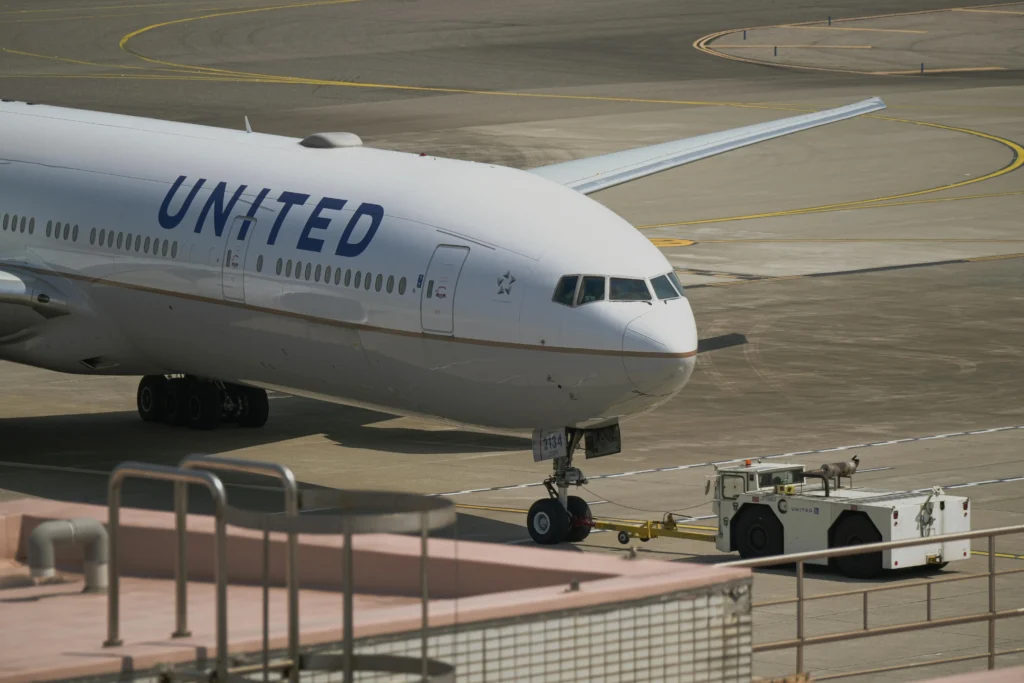
Affordable travel in the United States is under fresh pressure as several low-cost carriers seek government relief to manage rising jet fuel prices. The request for financial support has drawn attention across the tourism industry because budget airlines play a major role in keeping domestic holidays, weekend breaks, and regional travel accessible to millions of passengers.
Low-cost airlines have become essential to the modern tourism economy by offering cheaper fares, opening routes to secondary cities, and stimulating demand for destinations that may otherwise receive fewer visitors. If fuel costs continue climbing, the impact could extend far beyond airline balance sheets and directly affect travelers, local tourism businesses, and communities dependent on air access.
Industry discussions around possible support measures come at a time when travel demand remains strong, but airline operating costs are increasing. Fuel is one of the largest expenses for any airline, and sudden price jumps can be especially difficult for carriers built around low fares and tight margins.
Why Budget Airlines Matter to Tourism
Budget carriers have transformed tourism by making air travel more affordable for families, students, young travelers, and price-conscious holidaymakers. Their route networks often connect leisure destinations, beach cities, entertainment hubs, and smaller airports that may not receive the same level of service from larger network airlines.
Lower fares can increase visitor numbers by encouraging spontaneous trips, short breaks, and repeat travel. For destinations, this means stronger hotel occupancy, higher restaurant spending, more attraction visits, and broader local economic benefits.
In many regions, budget airlines are not just another option—they are the primary driver of inbound tourism growth. Any disruption to their business model can quickly affect tourism flows.
Rising Jet Fuel Costs Create New Challenge
Jet fuel prices can change rapidly based on global supply conditions, geopolitical developments, and energy market volatility. When prices rise sharply, airlines must either absorb the higher costs, cut spending elsewhere, or increase revenue through fares and fees.
For low-cost airlines, absorbing higher fuel bills is more difficult because their business model depends on selling seats at highly competitive prices. Narrow profit margins leave less room to manage sudden cost shocks.
This creates a difficult balance. If airlines raise fares too much, demand may weaken. If they do not raise prices, profitability may suffer. In both cases, tourism can be affected through reduced travel options or higher trip costs.
Potential Impact on Cheap Flights
The biggest concern for travelers is the future of affordable flights. Budget airlines help maintain downward pressure on fares across the market because their presence increases competition. When low-cost carriers grow, travelers often benefit from more route choices and better prices.
If rising fuel costs force capacity cuts, fewer aircraft may be available on popular routes. Reduced competition can place upward pressure on fares, especially during holiday periods and peak travel seasons.
This matters not only for leisure travelers but also for people visiting family, attending events, or taking essential domestic trips. Affordable aviation has become deeply connected to mobility and tourism access across the United States.
Smaller Airports Could Feel the Effect
Many smaller cities and regional airports rely heavily on low-cost carriers. In some cases, budget airlines are among the few operators providing scheduled passenger service.
If financially weaker carriers reduce flights or exit markets, smaller communities may lose valuable connectivity. That can affect local tourism economies that depend on visitors arriving by air.
Regional destinations often use air access to attract festivals, sporting events, outdoor tourism, cultural travel, and weekend visitors. Reduced service can make these destinations harder to reach and less competitive compared with larger cities.
Maintaining connectivity is therefore not only an aviation issue but also a tourism development priority.
Fees, Fares, and Traveler Costs
When fuel costs rise, airlines often look for faster ways to recover revenue. Ancillary charges such as baggage fees, seat selection, and priority boarding can sometimes increase more quickly than base fares.
For travelers, this means the headline ticket price may not tell the full story of trip costs. A low fare can become more expensive once optional extras are added.
Tourism businesses may also feel indirect effects if travelers spend more on transport and less on hotels, dining, shopping, or attractions at their destination. Higher travel costs can reshape visitor spending patterns.
Government Support Debate
The request for relief has sparked debate about whether targeted assistance should be used to stabilize the airline sector during exceptional cost shocks. Supporters may argue that preserving affordable connectivity protects consumers, jobs, and regional tourism economies.
Others may question whether market forces should determine which airlines adapt successfully to changing conditions. Any support model would likely face scrutiny over competition, fairness, and long-term industry strategy.
Whatever the outcome, the discussion shows how important low-cost carriers have become to the wider travel ecosystem. Their health now has implications for tourism access nationwide.
Strong Demand but Uncertain Outlook
Passenger demand for travel remains resilient, supported by leisure tourism, family visits, and domestic holidays. However, strong demand alone does not remove the challenge of rising operating costs.
Airlines must continue managing fleet plans, staffing, schedules, and pricing while responding to fuel volatility. Travelers may see route changes, promotional shifts, or new pricing strategies as carriers adjust to the environment.
For destinations, staying competitive may require stronger marketing, seasonal offers, and partnerships with airlines to encourage bookings despite higher travel costs.
What It Means for Tourism in 2026
The future of affordable tourism travel in the United States will depend heavily on how airlines navigate fuel pressures in the months ahead. Budget carriers remain central to expanding access, supporting regional tourism, and keeping millions of trips within reach.
Whether through market adaptation, operational efficiencies, or policy solutions, preserving a strong low-cost airline sector could help sustain tourism growth across the country.
For travelers, the message is clear: the health of US Budget Airlines matters not only to aviation, but to the future price, accessibility, and reach of American tourism itself.
For more travel news like this, keep reading Global Travel Wire