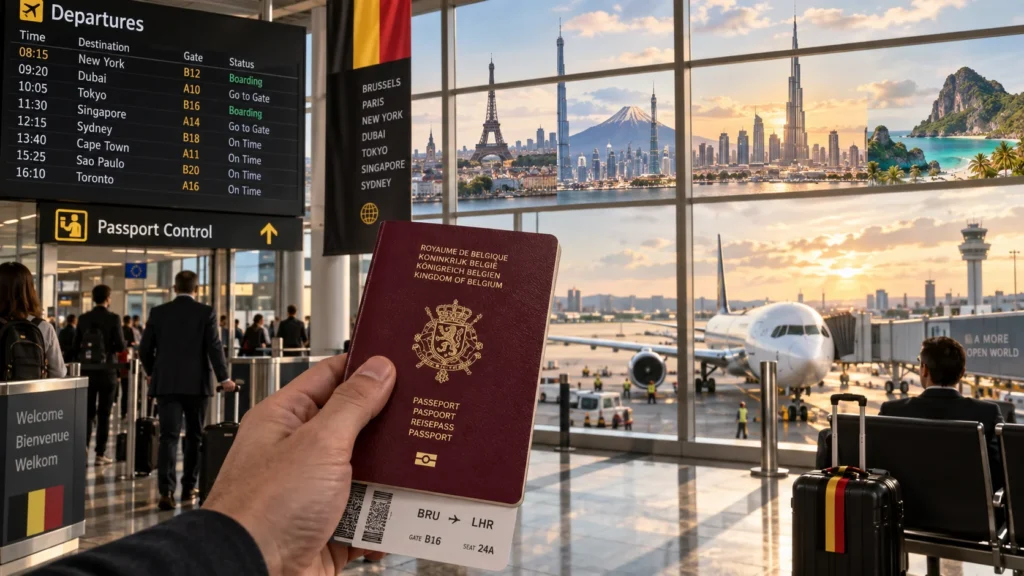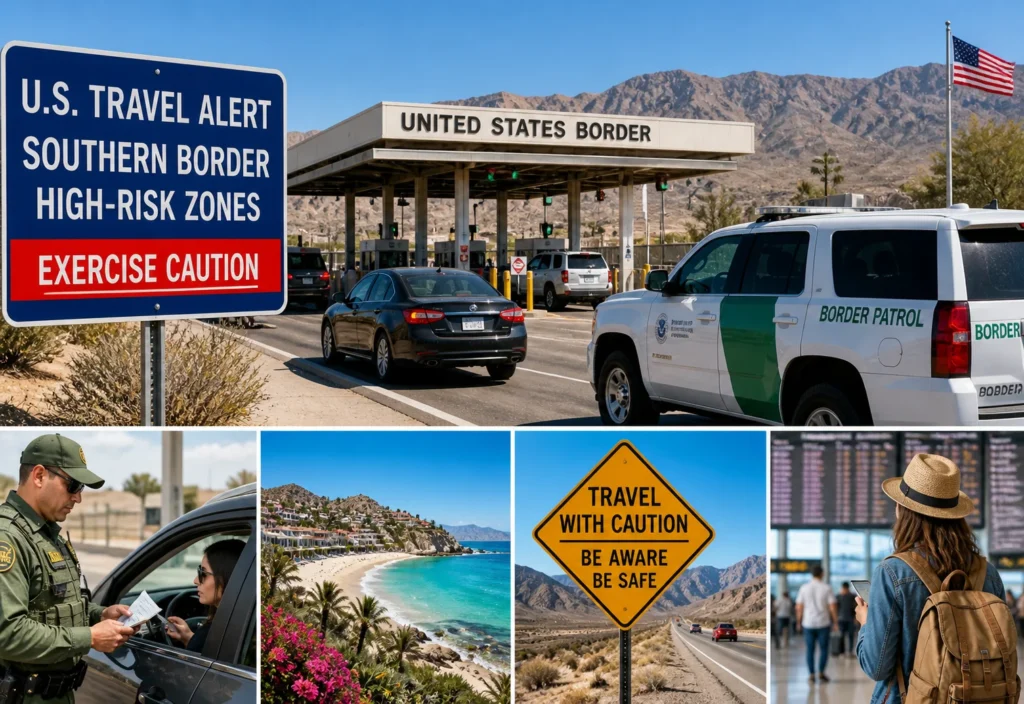
International travel planning in 2026 is increasingly influenced by updated government advisories, with the United States issuing a renewed alert concerning safety conditions along southern border regions. The advisory highlights elevated risks in certain regions while reaffirming that tourism remains viable in well-established destinations with strong infrastructure and security measures.
According to official updates from the U.S. Department of State, specific areas near the southern border, particularly those adjacent to Mexico, have been categorized under higher advisory levels due to concerns over crime and security threats. These classifications are part of a globally recognized four-tier advisory system used to guide travelers in making informed decisions.
Authorities explain that advisory levels range from exercising normal caution to avoiding travel entirely in high-risk areas. Border zones frequently fall under the more restrictive categories due to the presence of organized crime networks, limited law enforcement reach, and unpredictable conditions. These factors can impact both domestic and international travelers, particularly those venturing into remote or less monitored regions.
Tourism officials emphasize that risks are not uniform across entire countries. While certain border areas face heightened concerns, major cities and popular tourist destinations continue to maintain strong security frameworks. Resorts, cultural hubs, and urban centers benefit from visible policing, advanced infrastructure, and dedicated services for international visitors.
Government travel guidance highlights several key risks associated with high-alert zones. These include incidents of armed robbery, vehicle theft, and kidnapping in isolated areas. Authorities note that such incidents are more likely to occur in regions with limited connectivity and slower emergency response times. As a result, travelers are strongly advised to avoid unnecessary movement through these zones.
The advisory also reflects a broader global trend, with multiple countries issuing similar warnings regarding volatile border regions. Governments across Asia, the Middle East, and the Americas are updating travel guidelines to address evolving security challenges. This coordinated approach underscores the importance of staying informed through official channels when planning international trips.
For travelers, the focus is shifting toward strategic planning and awareness. Tourism boards recommend prioritizing destinations with established safety records and avoiding off-the-beaten-path routes in sensitive areas. By choosing recognized travel corridors and reputable transport services, visitors can significantly reduce exposure to potential risks.
Official programs such as traveler registration systems provide additional support. These initiatives allow governments to share real-time updates, offer emergency assistance, and maintain communication with citizens abroad. Enrollment in such programs is strongly encouraged for those traveling internationally, particularly to regions with elevated advisory levels.
The impact of travel advisories extends beyond safety considerations. Airlines and visa authorities often adjust operations based on official guidance. Routes may be modified, frequencies reduced, or additional documentation required for travel to certain regions. Travelers are advised to check with airlines and relevant authorities before departure to ensure smooth travel planning.
Travel insurance policies are also influenced by advisory classifications. Many standard policies may not cover incidents occurring in high-risk zones. Authorities recommend reviewing insurance terms carefully and considering comprehensive coverage that includes flexibility for unexpected changes.
Despite these challenges, tourism authorities reiterate that international travel remains active and accessible. Popular destinations in Mexico and other countries continue to welcome visitors, supported by robust security measures and well-developed tourism infrastructure. Coastal resorts, cultural cities, and major travel hubs offer safe and enjoyable experiences for travelers who follow official guidance.
The concept of border travel safety in 2026 reflects a more informed and proactive approach to tourism. Travelers are increasingly relying on verified government information, real-time updates, and careful itinerary planning. This shift ensures that journeys remain both safe and rewarding, even in a changing global environment.
Authorities also stress the importance of personal responsibility during travel. Simple precautions such as avoiding the night travel in unfamiliar areas, using trusted transportation providers, and keeping emergency contacts accessible can enhance safety significantly. Awareness and preparation are key components of modern travel.
Collaboration between governments, tourism boards, and international agencies continues to strengthen global travel safety frameworks. By sharing intelligence and coordinating responses, these organizations aim to create a more secure environment for tourists worldwide.
Looking ahead, travel advisories are expected to remain a central element of tourism planning. As conditions evolve, governments will continue to update guidance to reflect current realities. Travelers who stay informed and adaptable will be best positioned to navigate these changes successfully.
Border travel safety remains a priority for authorities and travelers alike. While certain areas require caution, the broader tourism landscape continues to offer diverse and enriching experiences. With careful planning and adherence to official advice, travelers can explore destinations confidently while minimizing risks.
In 2026, international tourism is defined by resilience and adaptability. By combining awareness, preparation, and trusted information sources, travelers can continue to discover new destinations while ensuring their safety and wellbeing throughout their journeys.