Global tourism authorities are reinforcing health and safety protocols across the cruise industry following a recent maritime health incident that has drawn international attention. The situation has prompted coordinated action by global health agencies, highlighting the importance of preparedness and rapid response systems in modern travel environments.
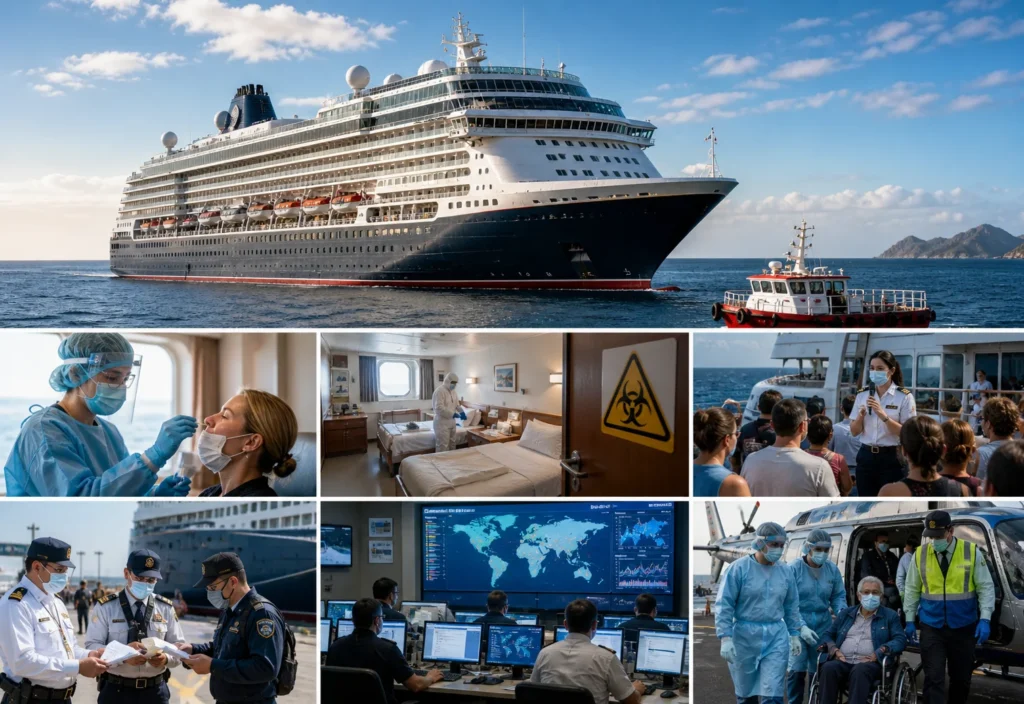
According to official updates from the World Health Organization, a suspected infectious disease case onboard a cruise vessel triggered an immediate international response under established health regulations. These measures include epidemiological investigations, laboratory testing, medical support, and coordination between multiple countries to ensure passenger safety and containment of the situation.
Cruise tourism has grown significantly in recent years, with millions of travelers choosing sea journeys for leisure and exploration. Authorities emphasize that while such incidents are rare, they underscore the need for robust health monitoring systems and strict adherence to international guidelines. The rapid activation of response protocols demonstrates the effectiveness of existing frameworks designed to manage cross-border health risks.
The vessel involved in the incident had traveled across several international destinations, including regions in South America and the South Atlantic. This highlights the interconnected nature of global tourism, where ships operate across multiple jurisdictions and require coordinated oversight. Health agencies note that such mobility necessitates strong international cooperation to manage potential risks effectively.
Tourism ministries and maritime authorities stress that passenger safety remains the highest priority. Cruise operators are required to follow strict health regulations, including sanitation standards, medical preparedness, and emergency response procedures. These measures are aligned with international health regulations to ensure that any potential threat is identified and addressed promptly.
The incident has also brought attention to the role of onboard medical facilities and trained personnel. Modern cruise ships are equipped with advanced medical capabilities, enabling immediate care for passengers and crew. In cases requiring specialized treatment, coordination with port authorities and health agencies ensures timely evacuation and support.
Government tourism bodies highlight that such events do not reflect the overall safety of cruise travel but rather demonstrate the effectiveness of monitoring systems. By identifying and responding to potential health concerns quickly, authorities can prevent wider spread and maintain confidence in the tourism sector.
International health regulations play a crucial role in managing such situations. These guidelines provide a framework for countries to share information, coordinate responses, and implement measures that protect public health without unnecessarily disrupting travel. The recent response illustrates how these systems function in real-world scenarios.
Cruise lines are also reviewing their operational protocols to enhance safety measures further. This includes increased monitoring of onboard conditions, improved communication with health authorities, and additional training for crew members. Such actions aim to strengthen the industry’s ability to respond to evolving challenges.
Tourism officials emphasize that travelers can continue to enjoy cruise experiences by following recommended guidelines. Passengers are advised to stay informed about health requirements, maintain personal hygiene, and report any symptoms promptly. These simple steps contribute significantly to overall safety.
The broader tourism industry is also taking note of the incident. Airlines, hotels, and travel agencies are working closely with health authorities to ensure that safety standards are consistently applied across all sectors. This integrated approach supports a safe and reliable travel environment.
Economic data from tourism boards indicates that the cruise sector remains a vital component of global tourism. While isolated incidents may temporarily impact operations, the industry’s resilience and commitment to safety ensure long-term growth. Enhanced protocols and continuous monitoring help maintain traveler confidence.
Authorities also highlight the importance of public awareness. Clear communication and timely updates enable travelers to make informed decisions and reduce worry. By providing accurate information, governments and health agencies support a balanced understanding of risks and safety measures.
Looking ahead, the focus remains on strengthening global health systems and improving coordination between countries. Investments in technology, data sharing, and emergency response capabilities will play a key role in enhancing travel safety. These efforts align with broader goals of sustainable and secure tourism development.
Cruise ship safety is evolving as part of a wider transformation in the tourism industry. The integration of health protocols, technological advancements, and international cooperation ensures that travel remains both enjoyable and secure.
The recent incident serves as a reminder of the dynamic nature of global tourism. While challenges can arise, the ability of authorities to respond effectively reinforces confidence in the system. Travelers can continue to explore the world, knowing that robust measures are in place to protect their wellbeing.
As global travel continues to expand, the importance of health and safety will remain central. By prioritizing preparedness and collaboration, the tourism industry is well-equipped to navigate future challenges and provide Safe experiences for travellers worldwide.