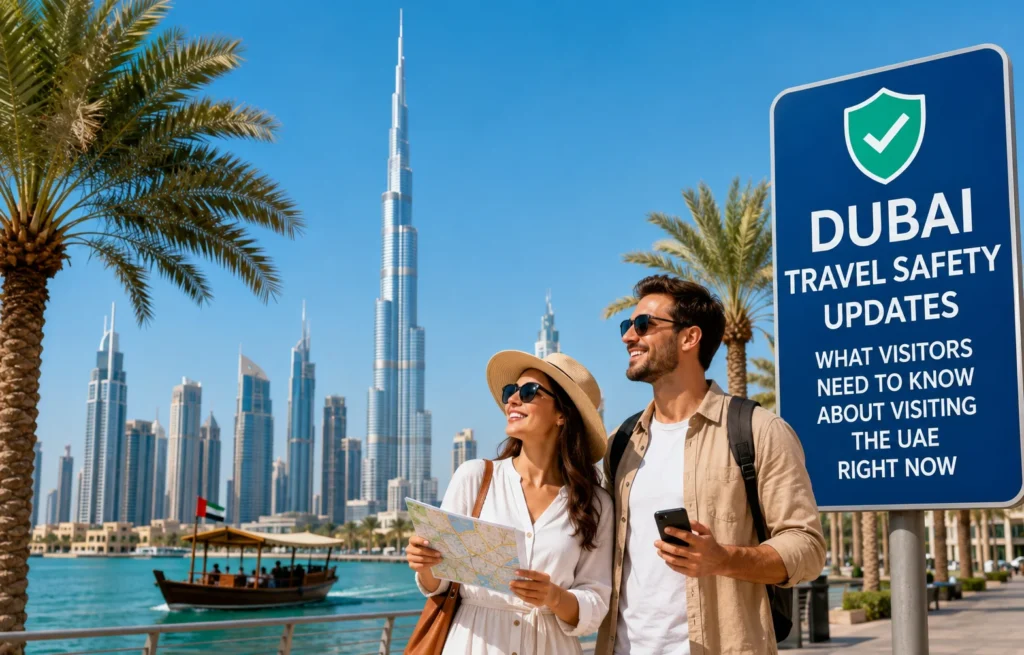
As global travelers monitor shifting regional developments in the Middle East, clarity regarding the safety, accessibility, and operational status of key transit hubs is crucial. For those planning a holiday or navigating a layover through the United Arab Emirates, official directives confirm that everyday life, public infrastructure, and tourism operations in Dubai continue to run securely and systematically.
The UAE government maintains an unwavering stance of high alert to preserve the absolute safety of all citizens, residents, and international visitors. According to recent official communications from the UAE Ministry of Defence, national air defense systems remain fully prepared and responsive, successfully managing regional airspace security to ensure total domestic stability. The Ministry affirmed its complete readiness to firmly confront any potential threats, ensuring the uncompromised protection of the nation’s sovereignty, security, and strategic capabilities.
Flight Operations and Airport Status at DXB and DWC
Air travel infrastructure across the emirate remains functional, with comprehensive measures in place to facilitate international transit. The UAE General Civil Aviation Authority previously established structured safe corridors to manage traffic flow, and air transport sectors are heavily active.
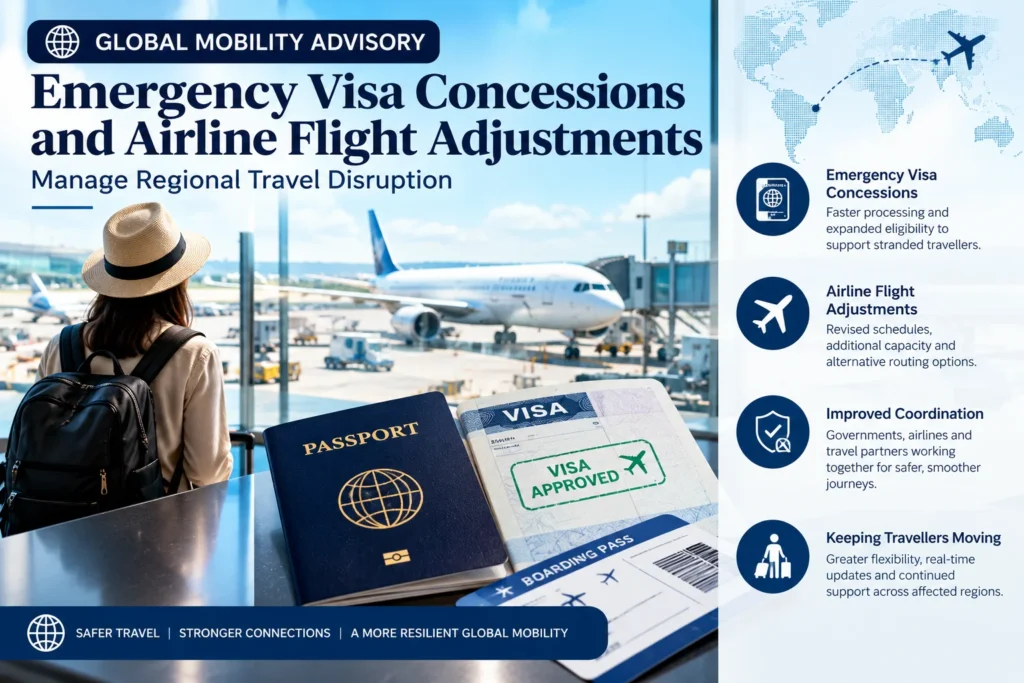
Dubai International Airport (DXB) and Al Maktoum International (DWC) continue to manage a robust schedule of inbound and outbound flights. The city’s primary carrier, Emirates, has steadily restored its extensive global route network, operating at approximately 80 percent of its capacity baseline with 96 percent of its destinations active. Regional carrier flydubai, alongside major international operators such as Air India and Qatar Airways, maintains daily scheduled services to and from the city.
While certain international long-haul carriers have chosen to temporarily alter or suspend specific routes into the Gulf region for the upcoming season, the hubs themselves remain entirely open. Travelers are advised to consult their respective airlines directly for real-time schedule confirmations and standard itinerary management.
Hospitality, Tourism, and Daily Life in the City
On the ground, daily operations across Dubai proceed without interruption. Public transport systems, including the Dubai Metro, taxis, and marine transport, are running on their ordinary schedules. Government offices, corporate workplaces, and essential public services remain fully accessible.
The city’s world-renowned hospitality sector continues to welcome guests. Shopping malls, public beaches, entertainment venues, and restaurants are operating normally, with many local establishments introducing seasonal dining programs and curated community initiatives. The hotel sector remains highly competitive, with numerous resorts offering staycation packages, value-added food and beverage options, and wellness promotions.
Concurrently, several prominent properties are utilizing the quieter summer travel window to execute pre-planned structural enhancements. Iconic locations such as the Park Hyatt Dubai and Jumeirah Burj Al Arab, along with the Armani Hotel Dubai and The St. Regis Dubai, The Palm, have scheduled temporary closures for interior refurbishments and routine maintenance cycles before reopening for the peak winter travel season.
Official Government Advisories and Regulatory Guidance
The Dubai Government Travel Advisory emphasizes that the emirate’s security framework is optimized to manage global uncertainties seamlessly through coordinated strategies between public safety entities and private sector stakeholders. Official statements reiterate that the welfare of visitors remains the highest national priority, and the continuity of service delivery remains flawless.
For international travelers, monitoring the official consular advice issued by their respective home governments provides essential context for travel insurance validity and risk management:
United Kingdom: The Foreign, Commonwealth & Development Office (FCDO) acknowledges that while regional situations require vigilance due to unpredictability, standard travel to the main corridors of the UAE is permissible, urging citizens to monitor sudden changes in regional airspace permissions.
United States: The Department of State maintains updated travel advisories for the wider Gulf region, recommending that citizens carefully review regional safety protocols when planning itineraries through the Middle East.
Canada and Australia: Consular updates from both nations advise citizens to maintain a high degree of caution, keep emergency contact details updated with local embassies, and ensure that personal travel documentation is entirely valid before departure.
Navigating Travel Insurance and Transit Regulations
For passengers transiting through Dubai, checking the exact terms of insurance coverage is highly recommended. Standard travel insurance policies are intimately tied to government-issued travel warnings. If a home government institutes an absolute restriction, standard policies may not cover disruptions.
To mitigate this uncertainty and reinforce traveler confidence, UAE-based carriers including Emirates and Etihad Airways have collaborated with global insurance underwriters to provide specialized, accessible travel policies. These tailored options are designed to safeguard passengers against unexpected scheduling adjustments or regional airspace rerouting, ensuring travelers can reach their final destinations safely regardless of the operating carrier.
Because short layovers can occasionally shift into extended delays due to precautionary airspace management, passengers should maintain flexible bookings. Tourism officials recommend securing comprehensive policies, remaining informed via official government platforms, and keeping digital copies of all confirmations easily accessible.
For more travel news like this, keep reading Global Travel Wire