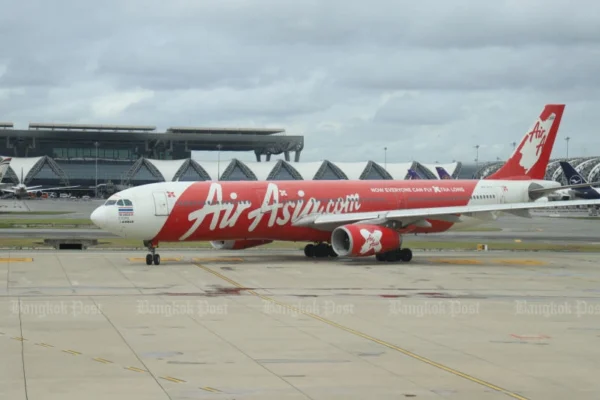
AirAsia Philippines faces a potential halt at airports managed by the Civil Aviation Authority of the Philippines after the regulator issued a cease-and-desist order linked to more than ₱271.94 million in unpaid airport-related charges.
The order, signed on 2 June 2026, gives the low-cost carrier three days to comply before restrictions take effect. Under the directive, AirAsia Philippines would be prevented from using facilities and services at CAAP-administered airports unless the authority provides written approval.
For travelers, the immediate message is important: AirAsia Philippines has stated that its flights and services continue as scheduled, subject to normal operational factors such as weather. However, passengers with upcoming bookings should closely monitor official airline updates as the compliance period progresses.
The dispute could affect domestic and regional tourism if it remains unresolved. AirAsia Philippines serves leisure travelers seeking affordable flights across an archipelago where air connectivity plays a central role in reaching island destinations, beach resorts, cultural attractions and business centers.
Unpaid Charges Cover Airport and Passenger Services
The outstanding amount includes air navigation charges, aircraft landing and parking fees, passenger service charges and other airport-related assessments accumulated from 2021 through May 2026.
These charges help fund the aviation infrastructure used by airlines and passengers. Airport operations rely on revenue linked to aircraft movements, terminal services, navigation systems and passenger processing.
The latest figure represents a significant reduction from the airline’s earlier unpaid balance. In March 2026, CAAP confirmed that it had issued a collection letter covering approximately ₱833.66 million in outstanding obligations. That amount included passenger-related charges from expired or unused tickets held for remittance to the aviation authority.
The remaining balance has not yet been fully settled, leading to the latest escalation.
Flights Continue While Travelers Watch for Updates
AirAsia Philippines has assured passengers that it remains fully operational. No network-wide flight suspension has been announced at the time of publication.
Still, the cease-and-desist order creates uncertainty for travelers planning domestic holidays or regional trips. Passengers should check their flight status through AirAsia’s official channels before traveling to the airport and allow additional time for updates.
Travelers should also review their booking details, confirm contact information attached to reservations and monitor email or mobile notifications. Those with time-sensitive journeys may wish to review alternative travel arrangements in case schedules change.
The airline’s official booking platform continues to display Philippine routes, including services connecting Manila with leisure and regional destinations such as Caticlan and Cebu.
Tourism Businesses Could Feel Wider Effects
Any disruption involving a low-cost carrier can extend beyond airports. Hotels, resorts, tour operators, restaurants, transport providers and local attractions often depend on reliable flight schedules, particularly in destinations where visitors arrive for short stays.
Caticlan is a major gateway for Boracay, one of the Philippines’ best-known island destinations. Cebu supports beach tourism, heritage visits, business travel and connections to surrounding islands. Other domestic gateways also rely heavily on aviation because travelers often cannot replace flights with convenient road or rail alternatives.
Budget airlines are especially important for tourism because they help make domestic trips more accessible to a wider range of passengers. Reduced capacity can place pressure on remaining services during busy periods, particularly when travelers need to rebook at short notice.
However, no fare increases, rescue flights or widespread cancellations have been officially confirmed. The immediate focus remains on whether the airline and the regulator resolve the outstanding obligations before operational restrictions take effect.
CAAP Order Signals Stronger Regulatory Pressure
The latest action demonstrates the importance of airport fee compliance in the Philippine aviation sector. Airlines depend on access to runways, terminals and air navigation services, while regulators rely on timely payments to support airport operations.
The order also arrives during a period when travelers expect clear communication and dependable schedules. For the tourism sector, confidence matters as much as capacity. Visitors need to know that flights will operate as planned, especially when they have hotel bookings, tours and onward transfers tied to their arrival times.
AirAsia Philippines remains operational for now, but the next steps will be closely watched across the country’s travel industry. A settlement would reduce uncertainty for passengers and tourism businesses. Without one, the dispute could become a significant aviation disruption affecting travelers across popular Philippine destinations.
For more travel news like this, keep reading Global Travel Wire