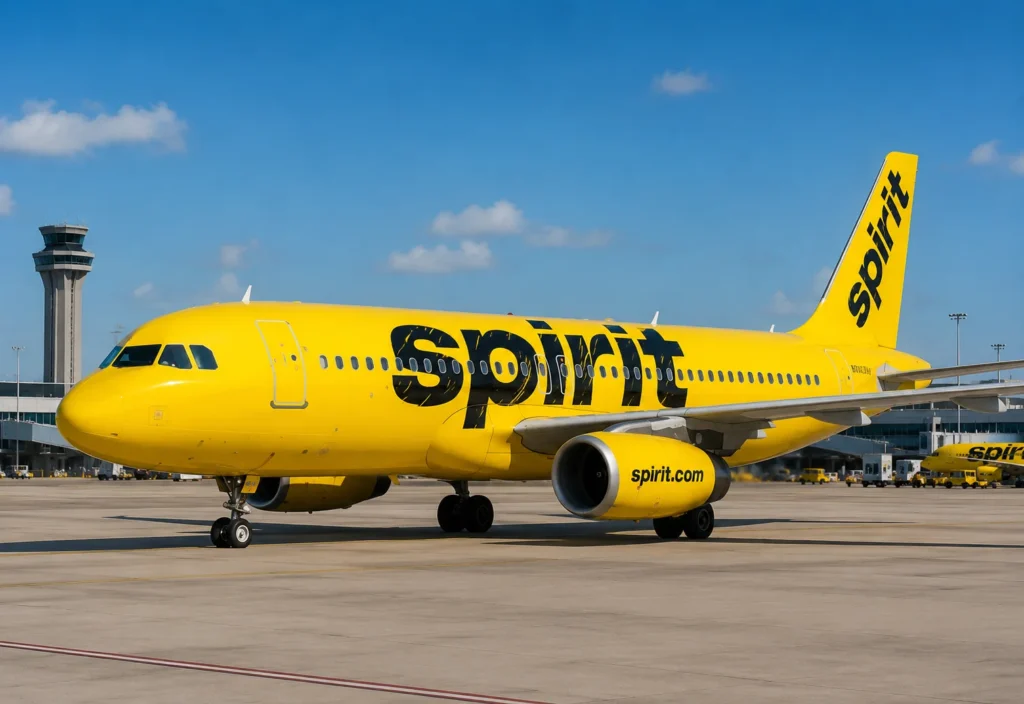
Spirit Airlines, one of the most recognizable ultra-low-cost carriers in the United States aviation market, has officially ceased operations after 34 years of service. The airline announced an immediate shutdown of all flights and the beginning of an orderly wind-down process, marking one of the most significant developments in the American tourism and airline industry in recent years.
The closure comes during a period of rising operational pressure across the global aviation sector, with sharply increasing jet fuel prices and financial instability affecting airlines worldwide. Spirit Airlines stated that escalating fuel expenses linked to geopolitical tensions and disruptions in global energy markets played a major role in the company’s decision to end operations.
The airline had become widely known for offering low-cost travel options to millions of leisure passengers across the United States, the Caribbean, and Latin America. Its bright yellow aircraft and budget-friendly pricing model helped reshape the low-cost airline segment while expanding affordable tourism opportunities for travelers over several decades.
Thousands of Flights and Jobs Impacted by Shutdown
The immediate suspension of Spirit Airlines operations affected thousands of passengers across multiple airports as scheduled flights were canceled without warning. The airline confirmed that all future flights had been removed from its booking system and that customer service operations had also ended.
The closure impacts approximately 17,000 airline employees, including pilots, flight attendants, airport workers, maintenance staff, and corporate personnel. Aviation and tourism industry officials acknowledged the significant economic and employment consequences resulting from the shutdown.
Government transport authorities stated that refund protections had been arranged for passengers who purchased tickets directly through the airline. Travelers who booked through third-party agencies or travel platforms were advised to seek refunds through their original booking providers.
Several major US airlines also introduced temporary support measures to assist stranded passengers and Spirit employees. Competing carriers announced discounted one-way fares for affected travelers while also offering employment support initiatives for displaced airline workers.
Spirit Airlines confirmed that efforts were underway to return more than 1,300 crew members to their home bases following the sudden closure of operations.
Rising Fuel Prices Continue to Pressure Airlines Worldwide
The collapse of Spirit Airlines highlights the growing financial strain created by rising jet fuel prices across the global aviation industry. Fuel costs remain one of the largest operating expenses for airlines and have surged significantly due to instability in international energy markets.
Airlines worldwide have faced mounting pressure from increasing fuel expenses, higher maintenance costs, labor challenges, and post-pandemic debt burdens. Many carriers have responded by reducing schedules, increasing ticket prices, modernizing fleets, or restructuring operations.
For low-cost airlines such as Spirit, maintaining profitability becomes especially difficult during periods of elevated fuel prices because their business models depend heavily on low fares and high passenger volume.
Industry experts noted that budget airlines often operate with thinner financial margins than full-service carriers, making them more vulnerable to sudden increases in fuel and operational costs.
The closure also demonstrates how global geopolitical developments can directly influence tourism and air travel markets. Disruptions to energy supply routes and fluctuations in oil prices continue to affect airline planning, route operations, and ticket pricing across major travel regions.
Budget Tourism Travelers Face Reduced Competition
Spirit Airlines played a major role in making domestic and regional air travel more affordable for millions of travelers. The airline built its reputation around ultra-low-cost fares that appealed to budget-conscious tourists, leisure travelers, and families seeking inexpensive holiday options.
The airline maintained a particularly strong presence in tourism-focused destinations including Florida, Las Vegas, and major vacation hubs across the Caribbean and Latin America.
Tourism industry analysts believe Spirit’s exit from the market could reduce airline competition on several popular leisure routes, potentially leading to higher fares in some destinations.
Budget travel demand has remained strong throughout recent years as travelers continue prioritizing affordable vacations and short-haul leisure trips. Spirit Airlines contributed significantly to the expansion of low-cost tourism access within the United States aviation market.
The airline’s closure may also impact regional tourism economies that benefited from increased visitor numbers generated by low-cost airline connectivity.
Airport operators and tourism boards in destinations heavily served by Spirit Airlines are expected to closely monitor the impact on visitor arrivals and travel demand over the coming months.
Financial Challenges Intensified After Pandemic Recovery
Like many airlines globally, Spirit Airlines experienced severe financial pressure following the COVID-19 pandemic. The company struggled with rising debt levels, changing travel demand patterns, operational disruptions, and increasing industry competition during the post-pandemic recovery period.
The airline had previously entered bankruptcy protection as part of restructuring efforts aimed at stabilizing operations and reducing financial obligations. Despite these efforts, the carrier continued facing mounting losses and liquidity challenges.
Industry officials stated that rising fuel prices accelerated the financial difficulties already affecting the company. High operating expenses combined with reduced capacity and increased debt obligations made long-term recovery increasingly difficult.
Spirit Airlines had also reduced available seat capacity significantly compared to previous years while passenger numbers declined in several key markets.
Government officials acknowledged that discussions regarding financial support measures had taken place but ultimately no agreement was reached to prevent the airline’s closure.
Future of Low-Cost Aviation Faces New Questions
The shutdown of Spirit Airlines raises broader questions about the future of ultra-low-cost aviation models during periods of economic uncertainty and volatile fuel markets.
While demand for affordable travel remains strong, airlines across the world are increasingly being forced to balance low fares with rising operational expenses and sustainability pressures.
The aviation industry continues investing in fuel-efficient aircraft, operational modernization, and network optimization to improve long-term resilience. However, smaller and heavily indebted carriers remain particularly exposed to sudden market disruptions.
Tourism experts believe the broader travel industry will continue adapting to changing airline market conditions, but Spirit Airlines’ closure serves as a reminder of the fragile financial environment facing many carriers today.
As international tourism demand continues recovering, governments, airports, and airline companies are expected to focus more heavily on operational sustainability, fuel efficiency, and financial stability to support future travel growth and maintain competitive aviation markets.