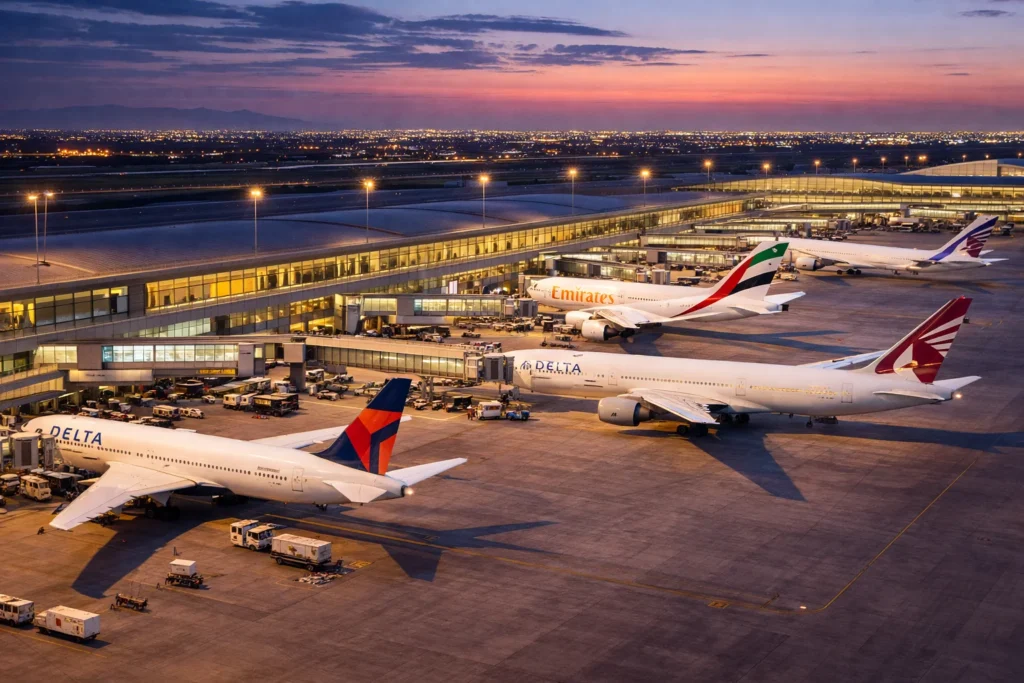
The latest global airline rankings for 2026 highlight how aviation continues to shape tourism, international business, and global mobility. As passenger demand rises and airlines invest in new aircraft, premium cabins, and digital innovation, the world’s leading carriers are playing a critical role in connecting destinations and supporting travel growth across continents.
The ranking of the Top Airlines of 2026 reflects more than brand reputation. It showcases how airlines are evolving through fleet modernization, improved passenger experiences, sustainability strategies, and stronger global networks. From full-service international giants to agile low-cost operators, the sector is entering a new era where efficiency, technology, and customer value define success.
With global passenger traffic projected to exceed billions of journeys this year, the airline industry remains one of the most influential engines of the worldwide tourism economy.
Why Airlines Matter to Global Tourism
Airlines are the backbone of modern tourism. They connect travelers with beaches, cities, business centers, heritage destinations, islands, and emerging markets that would otherwise be difficult to access.
Every new route can generate economic opportunities for hotels, tour operators, restaurants, airports, retail businesses, and local communities.
A strong airline network helps destinations by:
- Increasing visitor arrivals
- Expanding market reach
- Supporting events and conferences
- Encouraging repeat travel
- Creating tourism jobs
- Improving regional accessibility
As travel demand grows, the performance of major airlines becomes closely tied to the success of tourism economies worldwide.
What Defines the Best Airlines in 2026
The leading airlines of 2026 are not judged by size alone. Today’s market rewards carriers that combine scale with innovation and consistent service quality.
Key factors shaping airline success include:
- Reliable operations
- Strong route networks
- Premium cabin demand
- Modern aircraft fleets
- Digital booking and check-in tools
- Inflight comfort and entertainment
- Sustainability commitments
- Loyalty program strength
Travelers now expect airlines to deliver seamless experiences from booking to arrival, and top-performing carriers are adapting quickly.
Premium Travel Is Driving Revenue Growth
One of the strongest trends in 2026 is the rise of premium travel. Business Class, First Class, and Premium Economy are becoming increasingly important as travelers seek comfort, privacy, and flexibility on longer journeys.
This shift is visible across global markets, especially on long-haul routes linking North America, Europe, the Middle East, and Asia.
Premium demand is being driven by:
- Corporate travel recovery
- Higher disposable incomes
- Luxury leisure travel
- Bleisure trips combining work and vacation
- Growing preference for comfort on ultra-long-haul flights
Airlines that invest in premium products are often better positioned to capture higher-value customers.
Fleet Modernization Reshapes Passenger Experience
Many leading airlines are introducing next-generation aircraft such as newer Airbus and Boeing models. These aircraft improve fuel efficiency while also enhancing passenger comfort through quieter cabins, better air quality, larger windows, and improved seating layouts.
Modern fleets can also support tourism growth by enabling longer routes, more efficient operations, and lower environmental impact.
Passengers benefit from:
- Reduced noise levels
- Better cabin humidity
- Improved entertainment systems
- More fuel-efficient travel
- Longer nonstop route options
Fleet investment remains one of the clearest signs of airline confidence in future travel demand.
Sustainability Becomes a Core Priority
Environmental responsibility is now central to aviation strategy. Airlines across the world are investing in fuel efficiency, operational improvements, carbon reduction plans, and sustainable aviation fuel initiatives.
Travelers are increasingly aware of sustainability, and many destinations are promoting greener travel choices.
Industry priorities now include:
- Lower emissions per passenger
- Sustainable aviation fuel adoption
- More efficient route planning
- Reduced onboard waste
- Modern fuel-saving fleets
- Long-term net-zero goals
The future of tourism will depend partly on how effectively aviation balances growth with environmental responsibility.
Digital Innovation Changes the Journey
Technology is transforming air travel at every stage. Airlines are using smarter systems to improve booking experiences, route planning, customer support, and airport processing.
Common innovations include:
- Mobile boarding passes
- Biometric verification
- Real-time travel alerts
- AI-powered pricing systems
- Personalized offers
- Faster baggage tracking
These tools reduce friction for travelers and help airlines manage large passenger volumes more efficiently.
For tourism destinations, easier travel often means stronger visitor satisfaction and higher repeat demand.
Global Connectivity Is Expanding
The strongest airlines of 2026 continue to build networks that connect key world regions. Major hubs in cities such as Singapore, Dubai, Doha, London, Istanbul, Atlanta, Tokyo, and Hong Kong remain vital transfer points linking millions of passengers.
Meanwhile, growing airlines in India, Southeast Asia, Latin America, and Africa are expanding access to new markets and creating fresh tourism flows.
This diversification is important because tourism growth is increasingly global rather than concentrated in only a few regions.
Why Rankings Influence Travelers
Airline rankings shape consumer choices. Many travelers use brand reputation as a factor when booking international journeys, especially when comparing long-haul options.
A highly rated airline can influence decisions based on:
- Perceived service quality
- Safety confidence
- Cabin comfort
- Transit experience
- Loyalty benefits
- Value for money
For destinations served by top-ranked carriers, strong airline reputations can indirectly strengthen tourism appeal.
Challenges Still Facing the Industry
Despite strong momentum, airlines continue to face challenges including fuel costs, labor shortages, supply chain delays, geopolitical disruptions, and airport congestion.
Meeting rising demand while maintaining punctuality and service standards will remain a key test in 2026 and beyond.
However, the sector’s continued investment suggests long-term confidence in travel growth.
Looking Ahead
The Top Airlines of 2026 show that aviation is entering a smarter, more connected, and more passenger-focused era. Carriers are no longer competing only on fares or fleet size. They are competing on experience, innovation, and sustainability.
For travelers, that means better cabins, faster journeys, stronger digital tools, and wider destination choice. For the tourism industry, it signals continued momentum as air connectivity drives visitor growth across the world.
As global travel expands, the airlines leading in 2026 will help define how the next generation of tourism takes flight.
For more travel news like this, keep reading Global Travel Wire