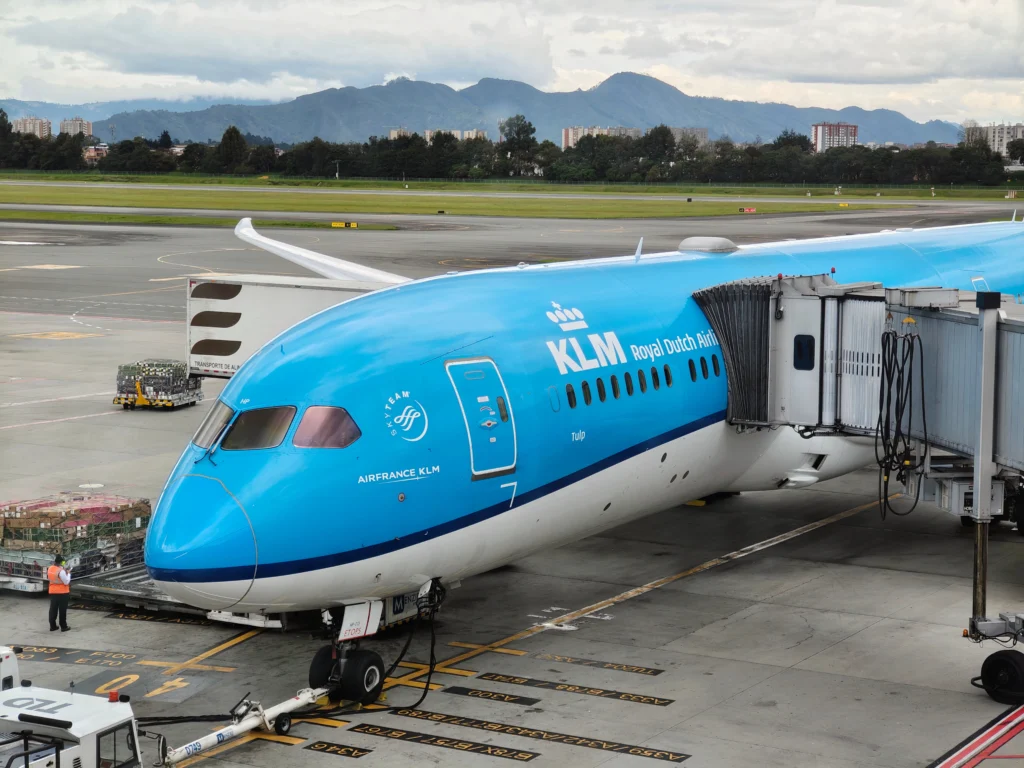
International aviation data sharing has entered a new phase of regional cooperation. According to an official public announcement by the International Air Transport Association (IATA), Aeromexico has formally integrated into the IATA Turbulence Aware platform. This milestone marks a significant development for regional transport infrastructure, as the airline becomes the first major commercial carrier based in Latin America to participate in this synchronized global network.
The implementation of this real-time data-sharing protocol addresses a critical aspect of modern flight operations. By feeding live meteorological insights directly into a centralized system, the partnership aims to elevate standard safety margins, optimize passenger comfort, and improve the predictability of commercial flight paths across highly complex atmospheric corridors.
Expanding Regional Aviation Data Coverage
The integration of Aeromexico introduces substantial data volume to the international aviation safety matrix. Under the newly established framework, the airline is configuring its entire fleet of 90 Boeing aircraft to transmit live, automated, and anonymized turbulence reports during all phases of flight. This reporting is actively supported by Boeing’s specialized aircraft communications and observation capabilities, which allow the onboard systems to record and broadcast real-time atmospheric data directly from the flight deck.
The inclusion of Aeromexico’s fleet significantly scales up the density of real-time flight monitoring across major routes. The addition expands the overall data coverage of turbulence events within Latin American airspace to more than 3,200 tracked flights per day. This expansion represents a substantial 25% increase in active system tracking compared to baseline coverage levels recorded in 2024. For aviation managers, this density represents a critical mass of peer-to-peer data, allowing participating carriers to transition from general meteorological forecasts to precise, observation-based flight planning.
The Mechanics of Predictive Flight Mitigation
Traditional turbulence mitigation has historically relied on manual pilot reports relayed through air traffic control frequencies—a method that can suffer from communication lag or subjective assessment. The IATA Turbulence Aware platform replaces this model by gathering objective, sensor-driven data from more than 30 participating international airlines globally.
When an aircraft encounters atmospheric instability, the system instantly processes the exact severity of the disruption and aggregates the data into a near-instantaneous global map. This unified network gives flight crews operating nearby a highly accurate, live visual representation of atmospheric conditions along their intended flight path. Armed with this information, pilots can take structured, preventive measures well before encountering rough air:
Preemptive Cabin Readiness: Flight crews can illuminate the seatbelt sign and secure the passenger cabin before the aircraft experiences physical instability.
Service Level Adjustments: Onboard hot meal and hot beverage services can be temporarily suspended to prevent accidental liquid burns or related galley injuries.
Proactive Route Alterations: Captains can coordinate with air traffic control to adjust their altitude or horizontal routing, entirely bypassing unstable air pockets.
By shifting from a reactive approach to a proactive, data-driven methodology, the system helps minimize unexpected mid-flight cabin shifts, protecting passengers and cabin crew while maintaining a highly stable and comfortable cabin environment.
Strategic Benefits for Cross-Border Logistics and Travel
From an operational standpoint, unpredictable weather and clear-air turbulence represent leading causes of minor in-flight injuries and unscheduled aircraft diversions. For corporate travel managers, families, and international tourism operators, an unscheduled diversion can disrupt complex connection itineraries and trigger cascading delays across regional airport hubs.
By anchoring its network within a shared data ecosystem, Aeromexico provides its passenger base with built-in operational redundancy. Because the platform mitigates the risk of unexpected atmospheric disruptions over complex geographical terrains—such as the mountain passes of Mexico, Central American corridors, and unpredictable Caribbean storm cells—flights can maintain stable routing, lowering fuel consumption and ensuring high schedule reliability.
Industry Outlook and the Future of Shared Safety Networks
The formal expansion of the Turbulence Aware program into Latin America highlights a broader trend within commercial aviation toward collaborative digital safety. Regional aviation statistics show that Latin America remains one of the world’s fastest-growing passenger markets, requiring robust technical systems to support expanding infrastructure.
According to statements from IATA leadership, the practical utility of data-driven tracking increases exponentially with every new airline that joins the platform. By breaking down corporate data siloes and contributing live fleet insights, Aeromexico supports a safer, more unified airspace that benefits all international operators utilizing these critical air corridors. As the 2026 summer travel season progresses, this cooperative data network establishes a high standard for regional carriers, demonstrating that sharing real-time tracking intelligence is an effective method for securing long-term operational resilience and passenger comfort across the globe.
For more travel news like this, keep reading Global Travel Wire