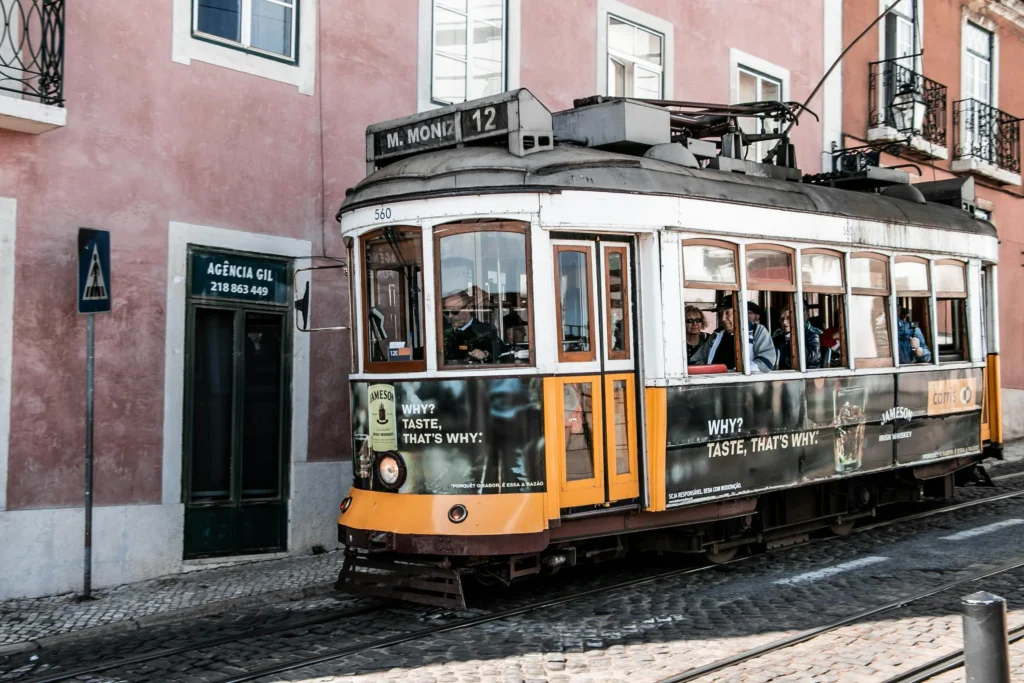
The French city of Tours is preparing for a major transformation in urban mobility and tourism access through the development of its second tram line. The project, which may receive significant financial support from the European Investment Bank, is designed to improve public transport, reduce congestion, and create a more sustainable visitor experience across the metropolitan area.
The new line will strengthen connections between residential districts, healthcare centers, universities, cultural attractions, and commercial zones while helping travelers move more efficiently through one of France’s most attractive heritage cities. More than a transport upgrade, the project also includes park-and-ride facilities, expanded bike lanes, and redesigned public spaces.
For tourism and local life alike, the initiative signals how modern transport systems are becoming central to destination competitiveness and sustainable city planning.
A Major New Tram Line for Tours
The second tram route will stretch approximately 12.5 kilometers and include 21 stations served by modern low-floor vehicles. Once operational, the line will connect several municipalities across the Tours metropolitan area, including La Riche, Tours, Joué-lès-Tours, and Chambray-lès-Tours.
This wider coverage is expected to improve everyday mobility for residents while making it easier for visitors to explore the city and surrounding districts without relying on private cars.
The line is planned to serve key destinations such as hospitals, schools, universities, sports venues, shopping areas, cultural sites, and expanding neighborhoods. For travelers, this means smoother access to both central attractions and lesser-known parts of the region.
With frequent service and modern capacity, the new line is expected to become a core transport corridor when it opens.
Why Better Transport Matters for Tourism
Tourism success increasingly depends on how easily visitors can move around a destination. Travelers want simple, affordable, and environmentally friendly ways to reach attractions, hotels, event venues, and transport hubs.
Efficient tram systems are especially valuable because they reduce stress, shorten travel times, and provide reliable city-center connections. They also improve the overall image of a destination by offering a clean and organized arrival experience.
For a city like Tours, known for its heritage charm and gateway role to the Loire Valley, better transport can encourage longer stays and wider exploration.
Visitors who can move easily are more likely to spend time in museums, local restaurants, parks, shopping districts, and nearby neighborhoods rather than remaining only in the historic core.
Gateway to the Loire Valley Experience
Tours is one of the main urban gateways to the Loire Valley, a region celebrated for castles, vineyards, gardens, and riverside landscapes. Strong local mobility can therefore support not only city tourism but also wider regional travel.
Many tourists use Tours as a base for day trips and cultural exploration. A stronger tram network can improve access to railway stations, intermodal hubs, hotels, and departure points for excursions.
As more travelers choose rail and public transport holidays across Europe, destinations with seamless onward connections are becoming more attractive.
The tram expansion helps reinforce Tours as a smart base for sustainable regional tourism.
Modern Trams and Passenger Comfort
The project includes the purchase of 19 new trams built to meet modern energy efficiency and passenger capacity standards. Each vehicle is expected to provide generous space, accessible boarding, and a comfortable onboard environment.
Modern tram fleets are important not only for operations but also for visitor perception. Clean, quiet, and accessible vehicles improve confidence among tourists unfamiliar with the city.
Low-emission transport options are also increasingly valued by environmentally conscious travelers who prefer destinations investing in greener infrastructure.
By upgrading rolling stock alongside the new route, Tours is aligning transport quality with future tourism expectations.
Park-and-Ride Facilities Support Easy Access
Another key part of the project is the creation of new park-and-ride facilities along with upgrades to existing sites. These hubs allow drivers to leave their cars outside busy central areas and continue by tram.
This model benefits both residents and visitors. Travelers arriving by car can avoid city-center traffic and parking challenges while still reaching attractions quickly.
Park-and-ride systems also help reduce congestion, lower emissions, and preserve the quality of urban public spaces.
For tourism cities balancing heritage preservation with visitor growth, this type of integrated mobility is increasingly important.
Bike Lanes and Walkable Urban Space
The tram project goes beyond rail infrastructure by including expanded cycling networks and improvements to the public realm. This reflects a broader vision where transport planning supports healthier, greener, and more enjoyable city experiences.
Bike lanes give residents and visitors another flexible way to move around. Travelers increasingly appreciate destinations where they can combine public transport with walking or cycling.
Public space improvements such as better streetscapes, safer crossings, greenery, and more pedestrian-friendly areas can enhance the atmosphere of the city itself.
In tourism terms, mobility is no longer just about getting from one place to another. It is part of the visitor experience.
Strong Daily Demand Expected
When the line opens, it is projected to carry tens of thousands of passengers per day with frequent services throughout the day. High expected demand suggests strong confidence in the route’s usefulness and its role in reducing dependence on private vehicles.
Consistent ridership also helps support local commerce. Retail districts, restaurants, educational campuses, and event venues often benefit when high-capacity transit increases footfall.
For visitors, regular service intervals make travel easier to understand and use, especially for those on short city breaks or packed itineraries.
Why This Matters for Sustainable Cities
Across Europe, cities are investing in tramways, cycling networks, and cleaner public transport to meet environmental goals while improving urban life. Tours’ expansion reflects this wider movement toward sustainable city travel.
Such projects can reduce emissions, improve air quality, cut traffic congestion, and create more inclusive access to jobs, education, healthcare, and tourism attractions.
They also help destinations remain competitive as travelers increasingly choose places that support responsible and low-impact tourism.
Outlook for Tours
The second tram line marks a major step in Tours’ evolution as a connected and visitor-friendly destination. With modern vehicles, stronger links across the city, park-and-ride access, and cycling improvements, the project goes far beyond transport alone.
It represents a future where mobility, sustainability, and tourism growth work together.
When the line enters service, Tours is likely to become even more appealing for residents, students, business travelers, and leisure visitors seeking a smarter way to explore one of France’s most charming urban destinations.