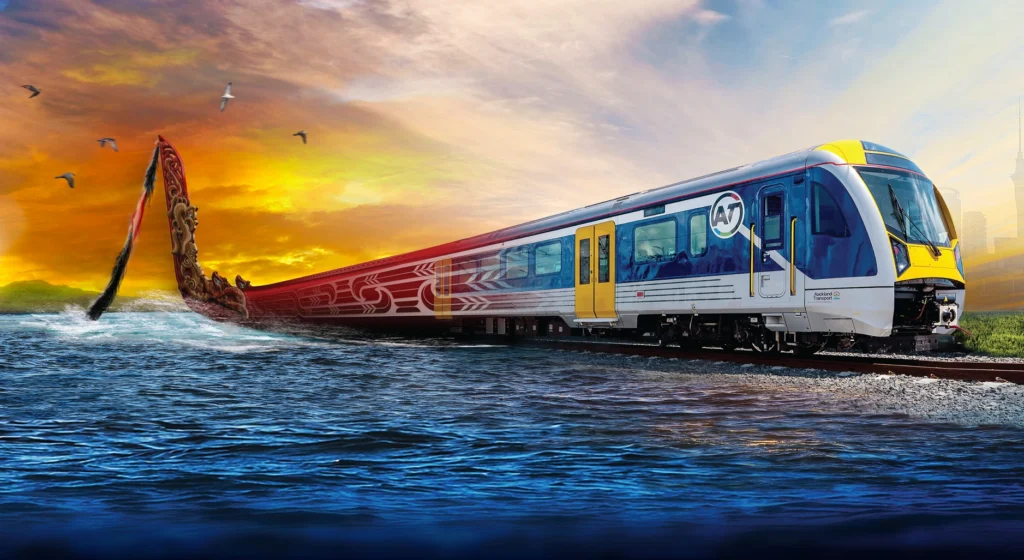
Auckland’s City Rail Link will officially open to passengers on Sunday, September 13, 2026, transforming rail travel across New Zealand’s largest city and creating faster connections for residents, commuters and international visitors.
The opening will connect Auckland’s existing railway lines through 3.45 kilometres of twin underground tunnels beneath the city centre. It will also introduce two new underground stations, redevelop two important transport hubs and support a completely restructured rail network.
The NZ$5.493 billion project is the largest transport infrastructure development completed in New Zealand. It is jointly funded by the New Zealand Government and Auckland Council.
For travelers, the City Rail Link will make it easier to reach central shopping, hospitality, cultural and entertainment districts without relying heavily on taxis, rental cars or road-based transport.
New Underground Stations Expand City Access
The project introduces Te Waihorotiu and Karanga-a-Hape stations, giving passengers direct railway access to parts of central Auckland that previously required longer walks or bus connections.
Te Waihorotiu Station will serve Auckland’s midtown area through entrances near Victoria and Wellesley streets. Its central location will improve access to businesses, retail areas, hotels and major city attractions.
Karanga-a-Hape Station will provide convenient access to Karangahape Road and surrounding neighborhoods. The area is known for restaurants, entertainment venues, independent stores and nightlife.
Waitematā Station, formerly known as Britomart, has been transformed from a terminating station into a two-way through station. This change will allow trains to continue beneath the city rather than ending their journeys downtown.
Maungawhau Station has also been rebuilt to connect the underground railway with the existing Western Line.
New Routes Create a Connected Rail Network
The City Rail Link will introduce significant changes to Auckland’s railway routes when services begin.
The Southern Line will become the South City Line. Instead of terminating at Waitematā Station, trains will continue through the new underground stations and connect with other parts of the network.
The Eastern and Western lines will combine to form the East West Line. This service will connect Manukau and Swanson through central Auckland, allowing passengers to travel across the city without changing trains at Waitematā.
The Onehunga Line will become the Onehunga West Line. During off-peak periods, it will operate between Onehunga and Henderson. During peak periods, services will connect Onehunga with Maungawhau.
These route changes will create more direct journeys while reducing the number of transfers required for many passengers.
Faster Journeys Benefit Visitors
Shorter travel times will be among the most visible benefits of the new network.
Passengers traveling from western suburbs will gain a more direct route into midtown Auckland. Visitors staying near the new city-centre stations will also receive easier access to rail services serving major suburban areas.
The system will connect with frequent bus routes, including services toward the North Shore, northwest Auckland, eastern suburbs and Auckland Airport.
Travelers will still need to transfer between trains and the AirportLink bus at Puhinui for airport journeys. However, stronger railway connections through central Auckland should make the overall trip easier to plan.
Auckland Transport has updated its journey-planning tools so passengers can view future routes using the City Rail Link network before the opening date.
Tourism Businesses Gain Better Connectivity
The new railway could bring wider benefits to Auckland’s visitor economy.
Hotels, restaurants, retailers, museums, event venues and nightlife businesses near the new stations may gain access to a larger number of passengers.
Improved public transport can encourage visitors to explore multiple neighborhoods during a single stay. It can also reduce concerns about traffic congestion, parking costs and unfamiliar road conditions.
International travelers may find central Auckland easier to navigate, particularly when attending concerts, conferences, sporting events and cultural festivals.
The network could also help distribute tourism spending beyond the waterfront and traditional downtown visitor areas.
Cultural Design Shapes New Stations
The stations have been designed as public spaces that reflect Auckland’s identity and Māori cultural heritage.
City Rail Link worked with mana whenua throughout the project to incorporate cultural narratives, patterns and architectural features into station designs.
Each station has its own identity connected to the surrounding landscape and local history.
The officially adopted Māori station names also strengthen the visibility of te reo Māori across Auckland’s transport network.
For visitors, the stations will function as gateways that introduce the city’s culture while providing modern transport facilities.
Extensive Testing Supports Safe Operations
Before the passenger opening, Auckland Transport and KiwiRail will complete final operational preparations, staff training and regulatory approvals.
Testing has included emergency systems, station technology, train movements through the tunnels and operation of the new network-wide timetable.
Customer service employees are also being prepared to help passengers understand the new routes, platforms and station layouts.
Travelers should check official journey information before departure, particularly during the first weeks of operation. Existing service names, routes and transfer points will change when the new network begins.
City Rail Link Supports Auckland’s Future
The City Rail Link will increase the importance of rail within Auckland’s wider public transport system.
The tunnels include provision for longer nine-car electric trains, helping the network respond to future passenger growth. More frequent services and improved connections are also expected as the system develops.
By creating a faster and more integrated railway, Auckland is strengthening sustainable transport while supporting tourism, business activity and urban development.
When passenger services begin on September 13, 2026, the City Rail Link will mark one of the most important changes in Auckland’s transport history, giving visitors and residents a simpler way to move through the growing city.
For more travel news like this, keep reading Global Travel Wire