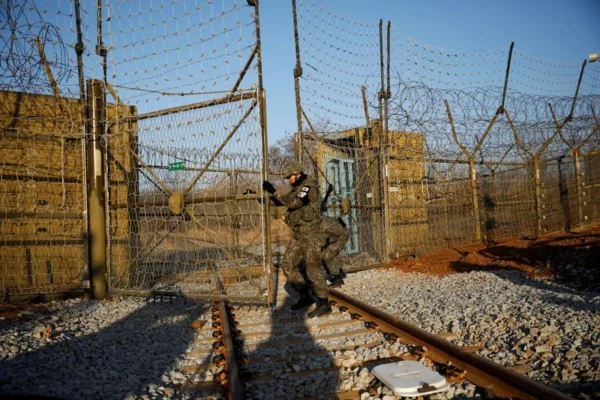
South Korea is preparing to restart a suspended railway restoration project near the North Korean border, reviving plans that could improve access to the Demilitarized Zone and support long-term tourism development across northern border communities.
The project focuses on a disconnected section of the historic Gyeongwon Line. Work on restoring the route began in 2015 but stopped the following year as political tensions and security concerns intensified on the Korean Peninsula.
The renewed initiative will not immediately create a railway service into North Korea. However, it will preserve infrastructure options for future cooperation while improving transport foundations within South Korea’s border region.
For tourism, the project could make peace, history and nature-based attractions around the DMZ easier to reach. It may also help local communities benefit from visitor spending, hospitality development and stronger regional connectivity.
Historic Gyeongwon Line Gains Strategic Importance
The Gyeongwon Line once formed an important railway corridor across the Korean Peninsula before national division disrupted its full operation.
Restoring part of the route carries practical and symbolic significance. It supports South Korea’s domestic transport network while keeping open the possibility of wider rail connections if diplomatic and security conditions improve.
The project reflects a long-term approach to infrastructure planning. Railway development often requires several years of construction, testing and regulatory preparation. Maintaining readiness could therefore help South Korea respond more quickly to future changes in inter-Korean relations.
At present, political barriers prevent trains from continuing across the border. Any future international or inter-Korean operation would require extensive agreements, security coordination and infrastructure inspections.
Better Rail Access Could Strengthen DMZ Tourism
The DMZ and its surrounding border areas have developed into distinctive tourism destinations shaped by history, ecology and the continuing division of the peninsula.
Visitors travel to selected sites to learn about the Korean War, peace initiatives and the communities affected by separation. Controlled tourism routes also highlight forests, wetlands and wildlife habitats that have remained relatively undisturbed for decades.
South Korea has continued developing DMZ Peace Trail experiences across border regions in Gyeonggi and Gangwon provinces. Government programmes connect historical locations with ecological and cultural attractions while using local guides and community participation.
Improved railway access could complement these initiatives by making northern destinations easier to reach from Seoul and other major cities.
However, visitor access near the Civilian Control Line and DMZ would continue to depend on identity checks, military approval and changing security conditions.
Border Communities Could Gain New Opportunities
Communities near the border have faced development limitations linked to military controls, population decline and their distance from South Korea’s largest economic centres.
A restored railway could improve domestic mobility and create new opportunities for local tourism operators, accommodation providers, restaurants and transport businesses.
Visitors arriving by rail may be encouraged to stay longer and explore smaller destinations rather than joining brief road-based excursions.
The project could also support heritage tourism connected to former railway stations, divided families and the history of transport before the peninsula’s separation.
Nature-based experiences may create further opportunities, particularly if development follows strict environmental controls. The ecological value of the border region remains one of its strongest tourism assets and requires careful protection.
Future Wonsan Travel Remains a Long-Term Possibility
The strategic value of the Gyeongwon Line has also been linked to the possibility of future travel toward North Korea’s eastern regions.
Wonsan, located on North Korea’s east coast, has received significant tourism-related development, including the Wonsan-Kalma coastal area.
A future railway connection could theoretically support tourism, cultural exchanges and economic activity between the two Koreas. It might also form part of a wider transport corridor connecting the peninsula with other parts of Northeast Asia.
Such an outcome remains highly uncertain. North Korea has reduced physical connections with South Korea, while direct tourism and regular cross-border transport remain restricted.
Therefore, the revived railway should be viewed primarily as domestic infrastructure preparation rather than confirmation of a future service to Wonsan or other North Korean destinations.
Cooperation Funding Could Support Border Development
South Korea is also examining how inter-Korean cooperation resources could remain useful during periods when direct engagement is limited.
Historically, cooperation funding has supported humanitarian work, exchanges and projects connected with relations between the two Koreas. Limited cross-border activity has reduced opportunities to use those resources in recent years.
A broader funding approach could support research, border development, peace-related initiatives and preparation for possible future cooperation.
For tourism authorities and local governments, such planning may help preserve historical assets, develop visitor facilities and improve regional readiness without depending on immediate political breakthroughs.
Railway Revival Reflects a Long-Term Tourism Vision
The restoration of the Gyeongwon Line will not transform inter-Korean travel in the near future. Its immediate importance lies in improving South Korea’s border infrastructure and preparing communities for new domestic tourism opportunities.
Better connectivity could strengthen access to DMZ attractions while distributing visitor spending across towns that have experienced decades of development restrictions.
The project also keeps alive a broader vision of railway travel across a more connected Korean Peninsula.
Whether that vision becomes possible will depend on future diplomatic relations, security agreements and cooperation between both sides.
For now, South Korea’s revived railway plan demonstrates how transport investment can support peace tourism, regional development and long-term destination planning even during a period of political uncertainty.
For more travel news like this, keep reading Global Travel Wire