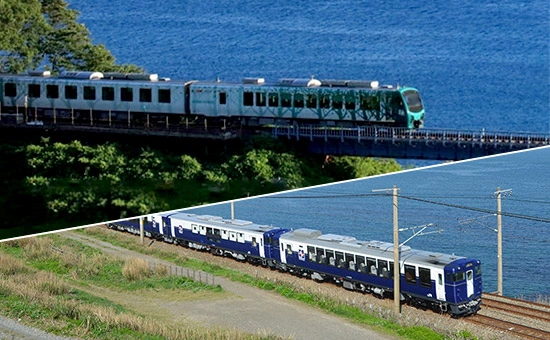
JR East is introducing a major limited-time rail promotion offering discounts of approximately 50% on selected Shinkansen and limited express services for weekday journeys during October and December 2026.
The promotion covers eligible weekday travel from October 14 to October 27 and again from December 7 to December 17. It is being offered through JR East’s Eki-net online reservation platform and applies only to selected trains, routes and seat allocations.
For travellers exploring Japan, the campaign could substantially reduce transportation costs while encouraging more journeys beyond Tokyo during quieter weekday periods.
The offer includes major Shinkansen corridors serving Tohoku, Hokkaido, Akita, Yamagata, Niigata, Nagano and parts of the Hokuriku region.
Half-Price Shinkansen Fares Cover Major Routes
The promotion includes the Shinkansen e-ticket Tokudane Special 28 product, which combines the base fare and limited express charge at approximately 50% below the regular eligible price.
Examples announced by JR East demonstrate the scale of the savings.
A regular-period Shinkansen e-ticket between Tokyo and Shin-Hakodate-Hokuto is priced at around ¥24,000, while the promotional fare is ¥11,990.
Tokyo to Akita on the Komachi falls from approximately ¥18,260 to ¥9,120. Tokyo to Niigata on the Toki is offered at ¥5,390 compared with ¥10,780 under the standard regular-period e-ticket price.
Other eligible examples include services toward Shin-Aomori, Sendai, Yamagata, Nagano and Kanazawa.
Travellers Must Book Early for the Discount
The discounted tickets carry important booking conditions.
JR East requires passengers to purchase eligible Special 28 products between one month before departure and 28 days before the travel date.
Advance applications can be submitted even earlier through Eki-net’s advance reservation system, although submitting a request does not guarantee that a discounted seat will ultimately be available.
The promotion is limited by train, route and the number of seats allocated at the discounted price. Travellers planning fixed itineraries should therefore consider booking as early as permitted.
Children’s fares are also available under the campaign.
Limited Express Trains Join the Promotion
Shinkansen passengers are not the only travellers benefiting.
JR East is also offering 50% discounts on selected conventional limited express tickets through special online products.
Eligible services include trains such as Azusa, Kaiji, Hitachi, Tokiwa, Odoriko and Kusatsu-Shima, alongside selected regional limited express operations.
For example, the discounted limited express fare for Azusa between Shinjuku and Matsumoto is listed at ¥1,270 compared with ¥2,550 under the relevant advance-purchase regular-period fare.
This could make destinations outside Japan’s major metropolitan centres more affordable for travellers building regional itineraries.
Regional Japan Could Gain More Visitors
Lower rail prices can have an important tourism impact because JR East connects Tokyo with a wide range of regional destinations.
The Tohoku Shinkansen provides access toward Sendai, Morioka, Aomori and Hokkaido connections. The Joetsu Shinkansen links Tokyo with Niigata, while the Hokuriku Shinkansen serves destinations including Nagano, Toyama and Kanazawa.
The Akita and Yamagata Shinkansen networks additionally connect travellers with regional cities, mountain landscapes and cultural destinations.
Reducing long-distance transportation costs could encourage visitors to add destinations that might otherwise be excluded from shorter Japan itineraries.
That creates potential benefits for regional hotels, restaurants, attractions and tourism businesses.
Weekday Travel Could Ease Peak Tourism Pressure
The decision to restrict the 50% promotion to weekdays also supports more balanced travel patterns.
Japan’s rail network can experience considerably stronger demand around weekends, national holidays and major seasonal travel periods.
Encouraging passengers to move journeys into weekdays can distribute demand more evenly while providing an incentive for travellers with flexible schedules.
International visitors often have more flexibility than domestic commuters when choosing sightseeing days.
A tourist spending two weeks in Japan, for example, could organise longer Shinkansen journeys for weekdays and keep weekend activities closer to their accommodation.
That strategy could lower transportation costs while potentially avoiding some peak travel pressure.
Autumn and Early Winter Create Tourism Opportunities
The timing of the promotion also aligns with two distinctive periods for Japan tourism.
October is an important autumn travel month, when visitors explore cities, mountainous regions and seasonal landscapes across northern and eastern Japan.
December brings early winter conditions to many northern destinations, creating opportunities for snow tourism, hot-spring stays and seasonal city breaks.
Cheaper railway fares could make multi-destination itineraries more achievable during both periods.
Travellers could potentially combine Tokyo with destinations in Tohoku, Niigata, Nagano or other JR East regions without transportation consuming as much of their holiday budget.
Travellers Should Check Ticket Conditions Carefully
Passengers should remember that the promotion does not mean every JR East train is automatically half price.
Eligible fares depend on specific trains, routes, travel dates and available promotional inventory.
Some limited express products cover only the express surcharge, meaning passengers may still need a separate base fare or valid transportation ticket.
Travellers should also carefully check whether their itinerary qualifies before finalising hotels or other non-refundable arrangements.
JR East Makes Regional Japan More Affordable
JR East’s half-price weekday campaign gives travellers a rare opportunity to experience some of Japan’s most important high-speed and limited express routes at substantially reduced prices.
For international visitors, the biggest benefit may be the ability to travel farther without dramatically increasing overall trip costs.
For regional destinations, cheaper railway access could help attract additional visitors during weekdays and spread tourism spending beyond Japan’s major gateways.
With eligible travel concentrated in October and December 2026, passengers willing to plan early and travel midweek could secure some of the strongest long-distance rail savings available across eastern Japan this year.
For more travel news like this, keep reading Global Travel Wire