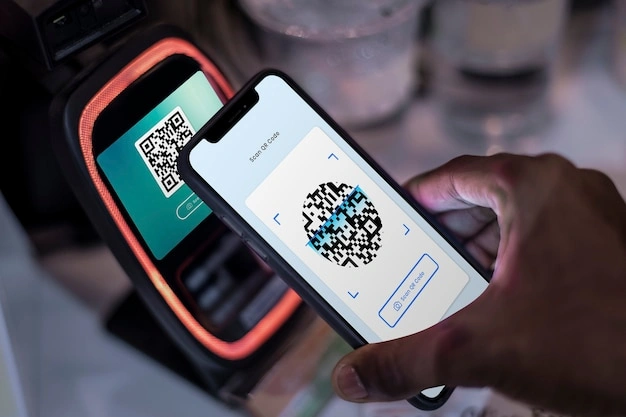
Indonesia has joined Malaysia, Thailand, and several other Southeast Asian destinations in embracing China’s rapidly expanding cashless travel ecosystem, signaling a major transformation in how international tourists spend money across global travel markets.
The integration of Chinese mobile payment platforms such as Alipay and WeChat Pay into regional payment infrastructure is reshaping tourism spending patterns, simplifying cross-border transactions, and strengthening Southeast Asia’s appeal among Chinese travelers.
Across airports, hotels, shopping malls, restaurants, street markets, and tourist attractions, travelers from China can now make purchases abroad using the same mobile payment applications they use domestically. The transition is eliminating many of the traditional barriers associated with international travel spending, including currency exchange, foreign transaction fees, and unfamiliar payment systems.
As China’s outbound tourism market continues expanding in 2026, destinations capable of supporting seamless digital payments are increasingly positioning themselves to capture larger shares of one of the world’s most influential travel economies.
QR Code Payments Become Standard Across Tourist Destinations
The shift toward cashless tourism is becoming increasingly visible throughout Southeast Asia’s leading visitor destinations.
In Malaysia, QR-code payments are now widely accepted across retail centers, tourism districts, food markets, and temporary festival venues. Chinese visitors can complete transactions instantly through mobile apps without needing local currency or physical payment cards.
Thailand is experiencing similar growth in mobile payment integration as tourism businesses adapt to changing traveler expectations. Retailers and hospitality operators are increasingly prioritizing digital payment accessibility to improve convenience for international visitors.
Indonesia has also introduced new cross-border payment infrastructure enabling Chinese travelers to make purchases directly through domestic Chinese mobile payment applications. The integration removes the need for manual currency conversion and streamlines the travel experience for millions of potential visitors.
The broader trend reflects a growing regional effort to modernize tourism infrastructure through digital financial technology while strengthening connectivity with China’s outbound tourism market.
Chinese Mobile Payment Platforms Expand Global Reach
At the center of the transformation are China’s dominant mobile payment systems, including Alipay and WeChat Pay, which continue expanding beyond domestic markets into international tourism economies.
Rather than relying on isolated merchant partnerships, these platforms are increasingly integrating directly with national payment networks and local QR-code systems across Southeast Asia.
The approach allows travelers to use familiar applications internationally with the same speed and convenience they experience at home.
WeChat Pay now supports transactions across dozens of currencies in more than 70 countries, while Alipay+ continues building partnerships with overseas digital wallet systems and financial networks.
This expansion is helping reshape global tourism payment standards as destinations compete to attract Chinese travelers through smoother and more accessible spending experiences.
Tourism Businesses Benefit From Faster and Easier Transactions
For tourism operators, the impact of cashless travel adoption is becoming increasingly significant.
Hotels, restaurants, retailers, transportation providers, and tourist attractions are reporting faster checkout times, reduced cash-handling costs, and improved operational efficiency as digital payments replace traditional transaction methods.
More importantly, businesses are gaining direct access to one of the world’s largest outbound tourism markets.
Industry trends show that destinations supporting Chinese mobile payment systems often experience stronger appeal among Chinese travelers, many of whom increasingly expect seamless smartphone-based transactions throughout their journeys.
For small and independent businesses, particularly those previously excluded from international payment ecosystems, QR-code technology is opening new commercial opportunities. Even small vendors and local tourism operators can now connect directly with international travelers using simple mobile payment systems.
Payment Convenience Shapes Destination Competitiveness
The rise of cross-border digital payments is also changing how destinations compete for tourism revenue.
As Chinese travelers prioritize convenience and familiarity when selecting destinations, payment accessibility is becoming a strategic factor in tourism planning and destination marketing.
Countries integrating Chinese payment systems are positioning themselves as more traveler-friendly and technologically advanced within the increasingly competitive Asian tourism market.
The timing aligns with the continued recovery and expansion of China’s outbound tourism sector. Millions of Chinese travelers are once again visiting international destinations during peak travel seasons, while spending patterns are shifting toward more personalized, experience-driven tourism.
Travelers are also spending more time abroad and increasingly expecting frictionless digital services across transportation, accommodation, dining, shopping, and entertainment experiences.
China Strengthens Influence in Global Travel Technology
The expansion of Chinese payment systems is also reinforcing China’s growing influence within the global tourism and financial technology sectors.
China’s mobile-first payment infrastructure has advanced rapidly beyond traditional card-based systems, creating scalable and highly efficient digital commerce ecosystems capable of supporting both large and small transactions.
The country is simultaneously adapting its domestic payment systems to better support inbound tourism by integrating international bank cards and overseas digital wallets into Chinese mobile payment platforms.
This two-way integration is simplifying travel spending both for Chinese travelers abroad and international visitors traveling within China.
As more destinations and businesses adopt compatible payment infrastructure, the distinction between domestic and international commerce is increasingly fading within the tourism economy.
Smartphones Become Essential Tourism Infrastructure
The rapid adoption of mobile payment systems highlights a deeper transformation underway throughout global tourism.
Payments are evolving from simple financial transactions into critical travel infrastructure alongside flights, visas, hotels, and transportation systems.
For travelers, the process has become almost invisible: a quick scan of a QR code, instant confirmation, and a completed transaction within seconds.
For tourism economies, however, the impact is substantial. The flow of traveler spending is becoming faster, more connected, and increasingly dependent on digital ecosystems powered by smartphones.
As Indonesia, Malaysia, Thailand, and other Southeast Asian nations continue integrating Chinese mobile payment systems into their tourism economies, the future of international travel is moving toward a more connected, borderless, and cashless global marketplace driven by digital convenience and seamless financial technology.
For more travel news like this, keep reading Global Travel Wire