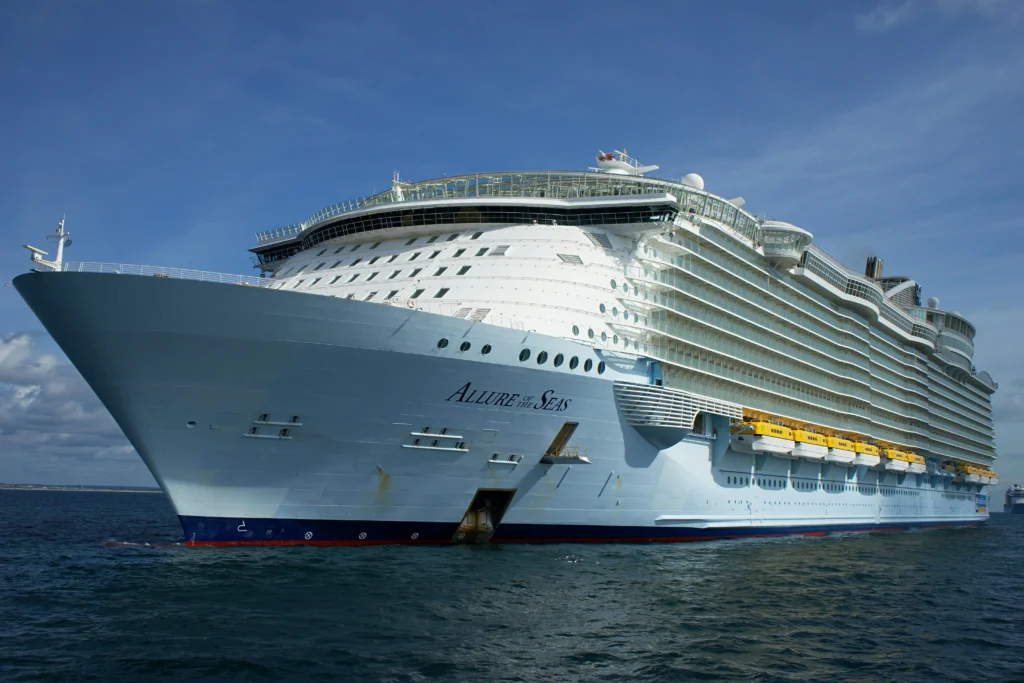
Royal Caribbean International has announced that Symphony of the Seas will relocate to Florida in August 2027, marking a significant update to the company’s future deployment strategy. The Oasis-class ship was previously expected to sail from Galveston, Texas, but will now operate Caribbean cruises from Fort Lauderdale’s Port Everglades.
The decision reflects the evolving nature of cruise planning, where cruise lines regularly adjust homeports, ship assignments, and itineraries to meet changing traveler demand, seasonal trends, and market opportunities. With one of the world’s most recognized mega ships moving to Florida, the update is expected to strengthen the state’s position as a leading cruise gateway while expanding premium vacation options for Caribbean-bound travelers.
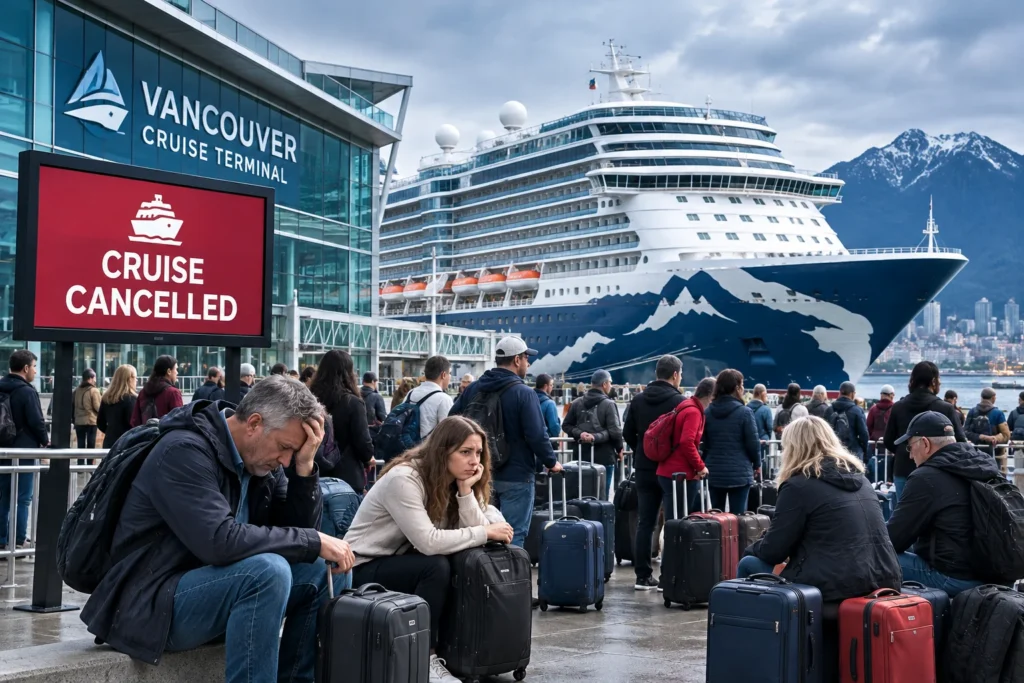
Passengers affected by the schedule change are being offered alternative bookings, refunds, or the chance to transfer to similar sailings on other Royal Caribbean vessels.
Symphony of the Seas Heads to Florida
Symphony of the Seas is one of Royal Caribbean’s flagship vessels and part of the highly successful Oasis class. Known for large-scale entertainment, multiple neighborhoods, family attractions, and extensive dining options, the ship has become a major draw for cruise travelers worldwide.
From August 2027, the vessel is scheduled to sail six- to eight-night Caribbean itineraries from Fort Lauderdale. This move places the ship in one of the strongest cruise markets in the world, where travelers have easy access through major airports, extensive hotel capacity, and strong year-round demand for warm-weather vacations.
Florida remains one of the most important launch points for Caribbean cruises, and the addition of Symphony of the Seas further reinforces that leadership.
Why Cruise Lines Reposition Ships
Cruise deployment changes are common across the industry. Operators often move ships between regions to align capacity with traveler demand, seasonal opportunities, and strategic growth plans.
A ship originally planned for one homeport may later be reassigned if another market shows stronger booking trends or better long-term potential. Florida, with its large population base, international air connections, and established cruise infrastructure, often becomes a priority location for premium vessels.
For travelers, these changes can bring more choices and newer ships to key markets. For destinations, hosting larger and more popular vessels can increase passenger volumes and economic activity.
Royal Caribbean’s latest move highlights how competitive the cruise sector has become as lines seek the best mix of routes, ports, and customer demand.
Fort Lauderdale Gains Another Major Attraction
Port Everglades in Fort Lauderdale is already one of the busiest cruise ports in the world. The arrival of Symphony of the Seas is expected to boost the port’s appeal even further.
Cruise passengers departing from Florida often spend additional time in the area before or after their voyage. This creates benefits for hotels, restaurants, transport services, retail outlets, attractions, and local tourism businesses.
Many travelers choose to combine a cruise with a beach stay, city break, or family holiday in South Florida. As a result, major ship deployments can generate wider tourism value beyond the port itself.
For Fort Lauderdale, securing another world-class ship helps maintain its competitive position among top cruise gateways in North America.
Galveston Still Remains a Key Cruise Hub
Although Symphony of the Seas will no longer sail from Galveston, Texas remains an important market in Royal Caribbean’s long-term strategy. The company has confirmed that other ships will continue operating from the port, including the highly anticipated Icon of the Seas in 2027.
This means Galveston is not losing its cruise significance. Instead, it is receiving a different mix of vessels aligned with market demand.
Texas has become one of the fastest-growing cruise regions in the United States thanks to strong domestic drive markets, family travel demand, and convenient access for travelers who prefer to avoid long flights.
The deployment of major ships in Galveston shows that cruise growth is no longer concentrated only in Florida ports.
Options for Affected Guests
Royal Caribbean has informed booked passengers of several alternatives following the itinerary change. Guests can move to similar sailings on Liberty of the Seas, choose another Royal Caribbean voyage, or cancel for a full refund.
Providing flexible options is an important part of cruise customer service when deployment changes affect existing reservations. Travelers often plan vacations well in advance, so smooth rebooking support helps maintain confidence and loyalty.
Passengers transferring to Liberty of the Seas are also being introduced to a ship undergoing enhancements through Royal Caribbean’s modernization program. Updated pool areas, refreshed attractions, and new onboard experiences are designed to keep the vessel competitive and appealing.
Such flexibility demonstrates how cruise lines aim to protect customer relationships even when operational changes are necessary.
Caribbean Cruise Demand Continues to Rise
The Caribbean remains one of the most popular cruise regions globally due to its warm climate, island diversity, short sailing distances, and broad appeal across traveler types.
Families, couples, first-time cruisers, and repeat guests all continue to choose Caribbean routes for their combination of beaches, adventure, culture, and convenience.
Six- to eight-night itineraries are especially attractive because they provide enough time to visit multiple destinations while remaining manageable for holiday schedules.
By placing Symphony of the Seas in Florida on these routes, Royal Caribbean is aligning one of its largest ships with one of the strongest-performing vacation markets.
Why This Matters for Tourism
Large cruise ships play a major role in tourism economies. They generate passenger spending before departure, during port visits, and through broader destination awareness.
Homeports gain from hotels, transport, dining, and retail activity, while Caribbean islands benefit from shore excursions, attractions, local tours, and shopping demand.
Cruise travel also supports jobs across hospitality, logistics, travel agencies, entertainment, and port services.
As ship deployments shift, the tourism benefits often move with them, making homeport decisions highly significant for regional economies.
Outlook for 2027
Royal Caribbean’s decision to move Symphony of the Seas to Florida shows confidence in continued Caribbean cruise demand and the long-term strength of South Florida as a tourism hub.
At the same time, Galveston’s continued growth with other major ships demonstrates how the U.S. cruise market is expanding across multiple regions.
For travelers, the result is simple: more choice, more modern ships, and more opportunities to enjoy Caribbean cruises from leading departure ports in 2027 and beyond.